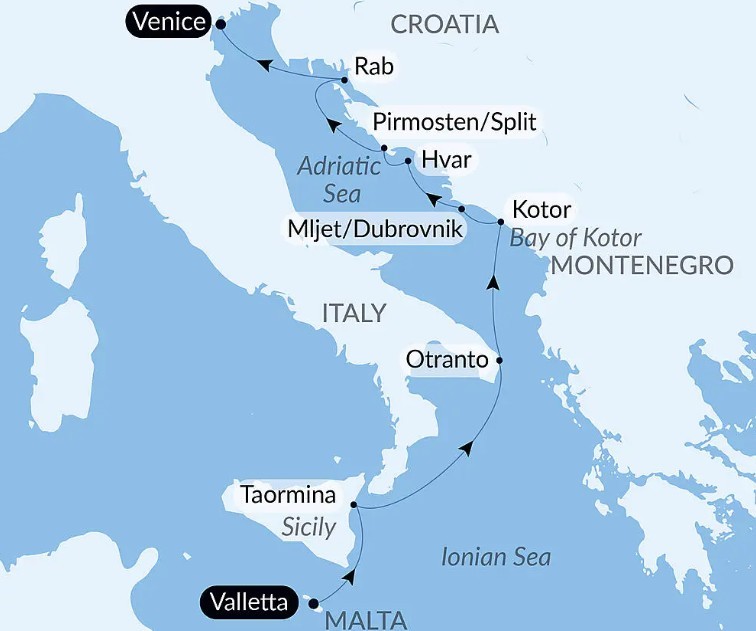
Embark on a cruise through the jewels of the Eastern Mediterranean and the Adriatic. From the sun-drenched shores of Sicily to the rugged coast of Puglia, fall under the spell of landscapes where white stone meets the deep blue of the sea. Here, the hillside villages overlook secluded coves, and the markets fill the air with the scent of citrus fruit and olive oil. Heading further north, the Bay of Kotor and the Dalmatian Islands offer a stunning backdrop of mountains tumbling into crystal-clear waters, with history etched into every rampart and bell tower. From the protected forests of Mljet and the vineyards of Hvar to the peninsulas lined with golden beaches, this odyssey celebrates the art of cruising the Mediterranean.
- See historical treasures of the Eastern Mediterranean and natural wonders of the Adriatic.
- Visit some of Dalmatia’s gems (UNESCO-listed Dubrovnik, Split, Stari Grad and Kotor, and the island of Hvar).
- A few of your included excursions: the city of Lecce from Otranto; the ancient theatre of Taormina, etc.
Availability is always subject to confirmation. Please check with us before booking flights
Prices quoted here are often dependent on currency fluctuations. Please check with (01432 507450 or info@small-cruise-ships.com) for the very latest price, which may well be cheaper than the one advertised here.
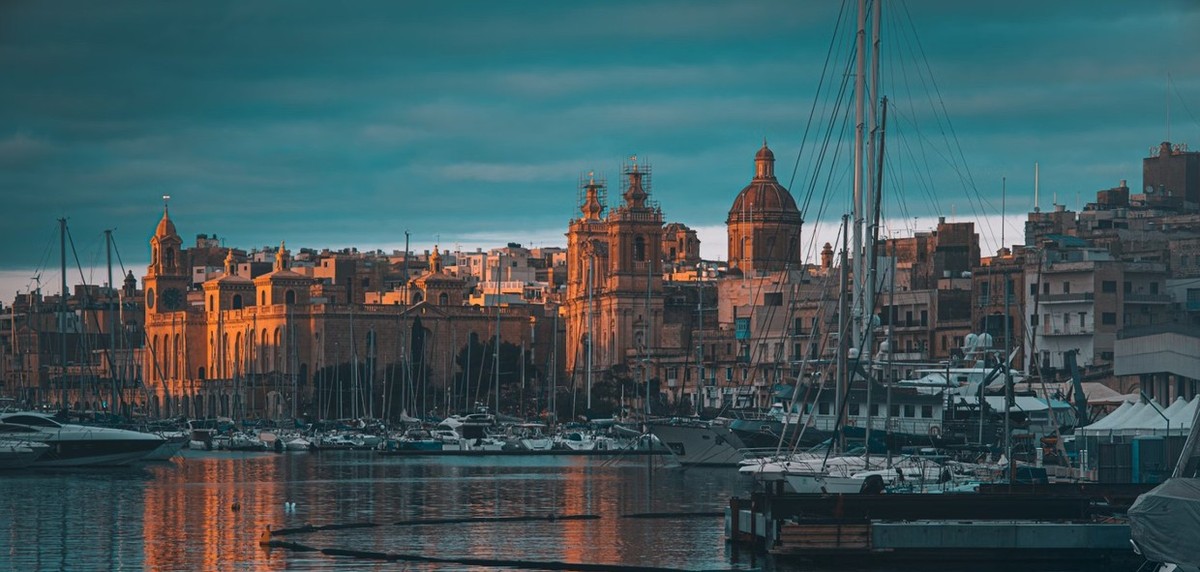
The whole of the Maltese capital Valletta is UNESCO World Heritage listed and occupies a peninsula in the north-east of the island. From the fountain of Tritons to Saint-Elme fort, there are as many majestic streets as there are narrow staircase vennels to explore. The painted loggia and carved corbels on the tall houses will accompany you in your explorations, and you’ll rarely be bothered by traffic. You can visit the Grandmasters palace decorated with coats of arms and frescoes. Saint-John’s cathedral and the ramparts which have guarded the city since the 16th century are also among the most emblematic sites of the city. Arranged in terraces, the Barrakka Gardens will punctuate your promenade with a green and floral experience.
Located on Sicily’s eastern coast, in the province of Messina, the seaside town of Taormina is Sicily’s Saint-Tropez, boasting heritage sites, secluded beaches and luxury shopping. You can visit its medieval centre, suspended 300 metres above sea level, where terraces offer a spectacular view of the Mediterranean Sea. Another vestige from its past are the ruins of the Greco-Roman theatre. This extremely well-preserved site attracts visitors who are fascinated by the natural beauty of the area which overlooks a turquoise bay.
Located in the Apulia region, Otrante is the easternmost transalpine town. Behind its medieval ramparts, you will taste the sweetlife of Salento, the “heel on Italy’s boot”. Inhabited since Antiquity, Otrante has today become a very pleasant seaside town. Yet its history is still visible as you meander through the little streets of its old centre. With its magnificent 12th century ornamental mosaic tiling, the Cathedral is one of its most beautiful treasures. During a stroll along the ramparts, you can sit and relax at a café terrace.
Situated in one of Montenegro’s most beautiful bays, the medieval city of Kotor is a small town full of charm, truly imbued with the traditions and stories of another time. Built between the 12th and 14th centuries, this village, a UNESCO World Heritage Site, has preserved many historical monuments from this epoch. During your stop, be sure to admire the impressive castle that dominates the town, and let yourself fall under the charm of its maze of small streets and intimate squares on which folk festivals featuring magnificent colourful costumes are often organised.
The long walls of the fortified city of Kotor unfurl before your eyes as you admire this medieval construction enclosed between the sea and the rugged cliffs from the decks of your ship. The still, deep waters of the bay plus the clouds of mist floating here and there create a surreal and magical atmosphere. Small islands with churches and fortresses built on them remind us that a proud maritime people has lived here for centuries, in this bay that forms a perfect natural harbour, used by sailors since ancient times. At the crossroads of Latin and Byzantine cultures, you will have the pleasure of observing the natural treasures of Montenegro during an unforgettable journey.
Discover Mljet Island off the Pelješac peninsula. Known for its national park and its protected forests, this Croatian splendid, pristine island offers many opportunities for walking with bays linked to two salt water lakes. On the largest lake, Veliko Jezero, a small island is home to an old Benedictine monastery.
Emblem of the Dalmatian coast, Dubrovnik is magnificently positioned on a rocky spur. History is sovereign here, in this ancient city, now a listed UNESCO World Heritage site. You will perhaps be surprised by the proportions of La Placa, the central drag through the city. The sheer width of it can be explained by the fact that it straddles a former lagoon. The elegant houses along La Placa are built in the legendary travertine stone. At Pile gate, you will be greeted by the statue of the patron saint of Dubrovnik, and you can admire the coastline as you walk along the ramparts. But what’s inside Fort Saint John, adjoining the outer walls? A maritime museum and an aquarium featuring rare fish from the Adriatic.
Off the coast of Split, Hvar will surprise you by its traditions that have not changed since Antiquity. The country’s oldest town, Stari Grad, is here on this Dalmatian Island. The town nestles by a cove on the north-west coast, surrounded by dry stone wall structures on the Stari Grad plains. These have been designated a UNESCO World Heritage site because they were built in the time of the Ancient Greeks. From these parcels of land come wines and olive oil manufactured manually. In the upper part of town, it is possible to discover hams and cheeses made by local producers.
Located south of Sibenik, Primosten is a picturesque village on the Dalmatian Coast, whose charm is distilled, via its narrow streets, through pretty stone houses and an architectural heritage influenced by the Venetian Republic. Built on a rocky peninsula, the historic city was connected to land by a mobile bridge from which it earned its name in the 16th century: in Croatian, primostiti means “to bridge”. The high point of the village, the Church of St. George watches over the stunning bay enveloped in crystal-clear waters while, to the north of the peninsula, the charming beach of Raduca reveals itself between the skies and the pine forest. Further on, the vines of the renowned babić varietal, protected from erosion by low stone walls, complete this idyllic setting.
On the Dalmatian coast, the town of Split offers cultural visits in a seaside atmosphere. Close to the seafront shaded by palm trees, the historical centre listed as a UNESCO World Heritage site, boasts a unique building: the Diocletian’s Palace. Here you will explore its galleries, courtyards with carved columns, as well as a former mausoleum converted into a church, namely Saint Domnius Cathedral. If you get peckish, stop off at a terrace in the Pjaca, the main square in the old town, where you can try a palacinka, a kind of pancake topped with melted cheese.
We have no doubt that the authenticity of this little island in Kvarner bay will charm you beyond belief. Dating from Adriatic Antiquity, its name means “wooded lands” in reference to the pinewoods, cypresses and cork oaks surrounding the main town. This town is called Rab, like the island. Here, you will see architecture of Venetian influence, inherited from the Middle Ages, illustrated by the bell-tower. Below, the ramparts provide views embracing the entire coastline, punctuated by deserted creeks.
Proud and eternal, Venice has reigned on its lagoon ever since the 6th century. You may think you know this city before even setting foot here. You will inevitably fall in love with the charm of the innumerable treasures of the Serenissima: Saint Mark’s square, the basilica, Doges palace, the Grand Canal and the gondolas. Yet, secret Venice is also waiting for you to explore its little interlacing streets and canals, to ramble through its squares and to push open the doors of its churches. The city’s extraordinary heritage shouldn’t stop you from enjoying a glass of Spritz and a few tramezzini.
Itineraries are subject to change.
Le Bougainville
| Wheelchair accessible cabins | yes |
|---|---|
| Lifts/elevators | yes |
| Built | 2018 |
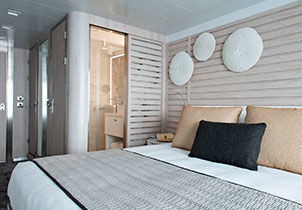
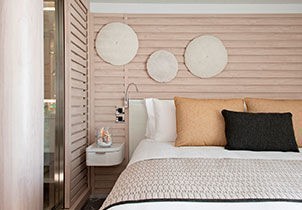
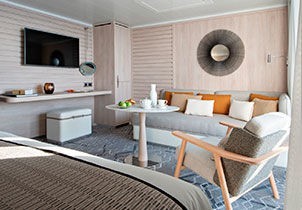
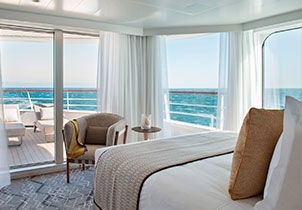
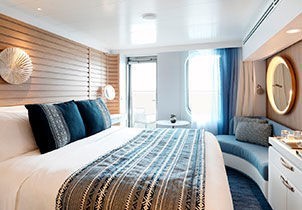
Featuring innovative and environmentally-friendly equipment, elegantly designed cabins, spacious suites with large windows, and lounge areas that open onto the outside, this new limited-capacity yacht boasting just 92 cabins and suites will offer you a truly unique cruising experience.
As the first ship in a new series that remains true to the Ponant spirit, Le Bougainville will embody the unique atmosphere that is the cruise line’s hallmark: a subtle blend of refinement, intimacy and comfort.
Aboard this ship that flies the French flag, you will experience the incomparable pleasure of an intimate cruise, with the possibility of exploring an ever-increasing range of destinations in an ethnic-chic ambiance with luxury service.
Experience a luxurious setting where the accent is on authenticity and passion for travel.
RESTAURANTS
As it is an essential part of French culture, gastronomy will naturally have pride of place aboard this new ship. Through its two restaurants, Le Bougainville will invite you on a journey to elegance and epicureanism.
In a relaxed atmosphere, a first dining area located on Deck 3 and able to seat 70 will serve grilled meats daily, along with a variety of salads and desserts.
To the back of Deck 4, you will find a 260 m² panoramic restaurant which can accommodate all of our passengers in a single sitting. Designed differently to that on our other ships, this dining area, which opens onto the outside, will have a buffet of salads, desserts and cheeses at your disposal. Our discreet and attentive crew will provide table service for hot meals.
PUBLIC AREAS
Like Le Boréal and its sisterships, Le Bougainville has many common areas that are designed and equipped to meet all of your needs while preserving the intimacy of each passenger.
A 140 m² reception area includes:
A reception/concierge desk, An excursions desk, The ship’s administrative services, The sales office, manned by our Guest Relations Officer, Our 50 m² boutique which sells clothing, jewellery, beauty products, postcards and various accessories, Toilets accessible to passengers with reduced mobility.
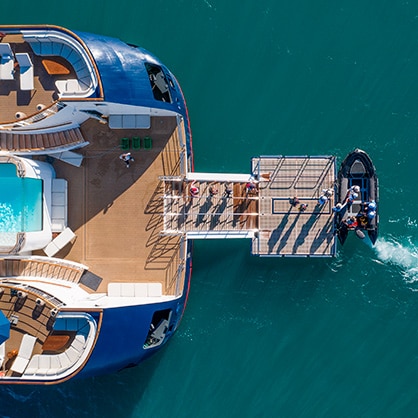
A new hydraulic platform with adjustable height provides: Easier boarding than on any other cruise ship, Easier Zodiac embarkation and disembarkation for expeditions, Easier access to the sea for swimming and practising various water sports such as kayaking or paddle-boarding.
A pool deck offering: A pool with a panoramic view, equipped with a counter-current swimming system, A pleasant solarium, An outdoor bar and lounge with armchairs and sofas.
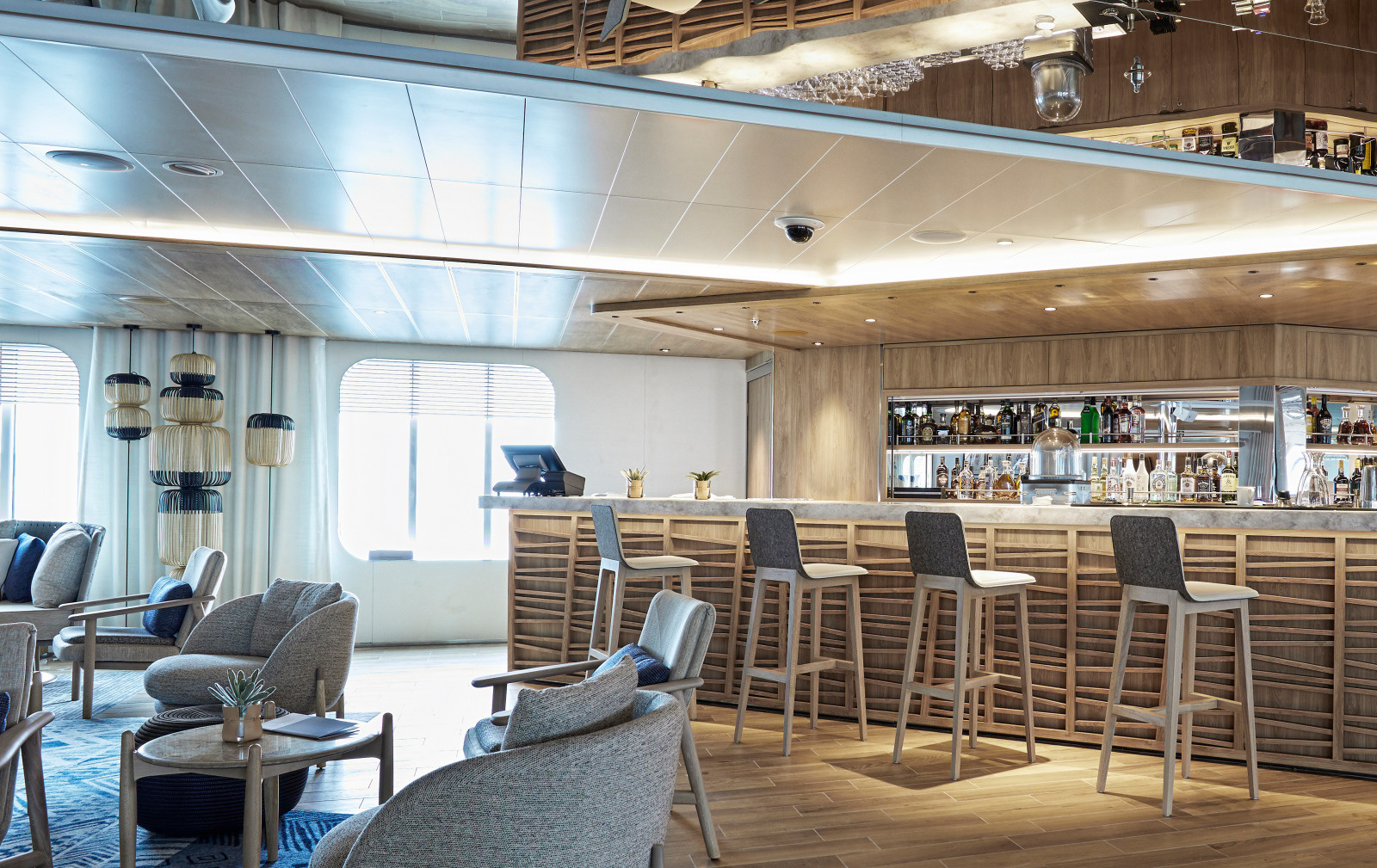
A 200 m² main lounge which can accommodate all of our passengers to share convivial moments and to host activities organised during the day or evening.
Lastly, a theatre that seats 188, equipped with: The latest sound and lighting technology, A LED wall as the stage backdrop, for the projection of high-resolution images and videos.
Please click the following links to read more about Ponant and the other Ponant cruise ships.
Deck plans are for illustrative purposes only – The actual ship and cabin layout may differ.