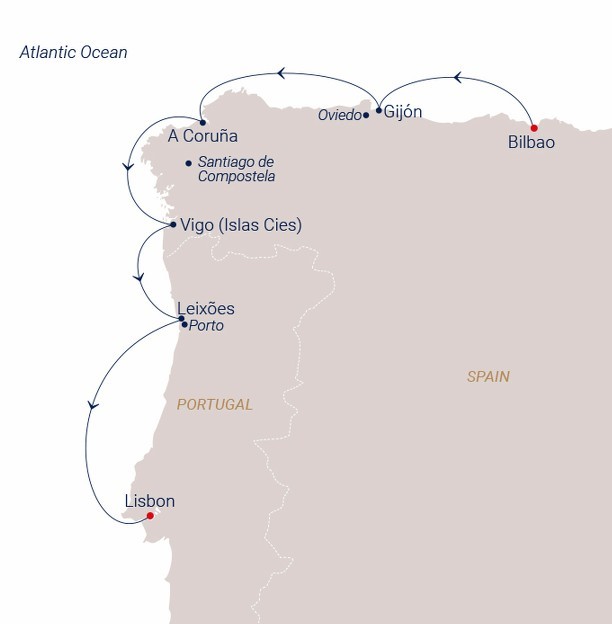
This coastal voyage links northern Spain with Portugal, combining historic cities, Atlantic landscapes, and celebrated maritime routes. Sailing from Bilbao, the itinerary follows the green shores of Asturias and Galicia, with calls at Gijón, A Coruña, and Vigo, gateways to medieval towns, pilgrimage traditions, and protected island nature reserves. The journey continues south to Porto, renowned for its riverside quarters and wine heritage, before concluding with a scenic passage up the Tagus River to Lisbon, where grand architecture and centuries of seafaring history frame the end of the voyage.
- Delightful Pre-Cruise Program: Bilbao’s modern architecture and delicious wines.
- Medieval Oviedo: Stroll through the Asturian capital along ancient cobblestone streets.
- Thrilling Santiago de Compostela: Inspiring pilgrimage site and destination of the Way of St James.
- Island Paradise for Birdwatchers, Beach lovers and Hikers: The Islas Cíes nature reserve.
- Sip on Sherry and Port Wine: Visit the wine cellars of Porto
- Passage Up the Tagus: Enjoy breathtaking views of Lisbon, the charismatic explorer capital perched on seven hills.
Availability is always subject to confirmation. Please check with us before booking flights
Prices quoted here are often dependent on currency fluctuations. Please check with (01432 507450 or info@small-cruise-ships.com) for the very latest price, which may well be cheaper than the one advertised here.
Bilbao has always been an important port and industrial city. In 1993, Bilbao was a pilgrimage destination for lovers of modern art and avant-garde architecture. The Guggenheim Museum, with its idiosyncratic and unique design by famous architect Frank O Gehry, showcases everything that is important within its 11,000 square meters (118,403 foot). Steel used to be manufactured in Bilbao and it now plays a major role here, since other renowned architects have also been inspired to give Bilbao an attractive, distinctive look. Cross the futuristic Calatrava Bridge to reach the old town, where you can take a delightful stroll round the lanes and enjoy the art of Basque cuisine.
As an old port metropolis and capital of the Costa Verde or Green Coast, Gijón looks back on a long seafaring tradition. Especially in the quaint fishing quarter of Cimadevilla, colorful, rambling houses exude the charm of times gone by. About 18 miles away, Oviedo was once the residence of the independent kingdom of Asturias. Today, the picturesque old town is a UNESCO World Heritage Site. The best starting point for a walk along the well-kept cobblestone streets (for instance, to the famous cider taverns) is Oviedo's cathedral with its Gothic spire of openwork stone.
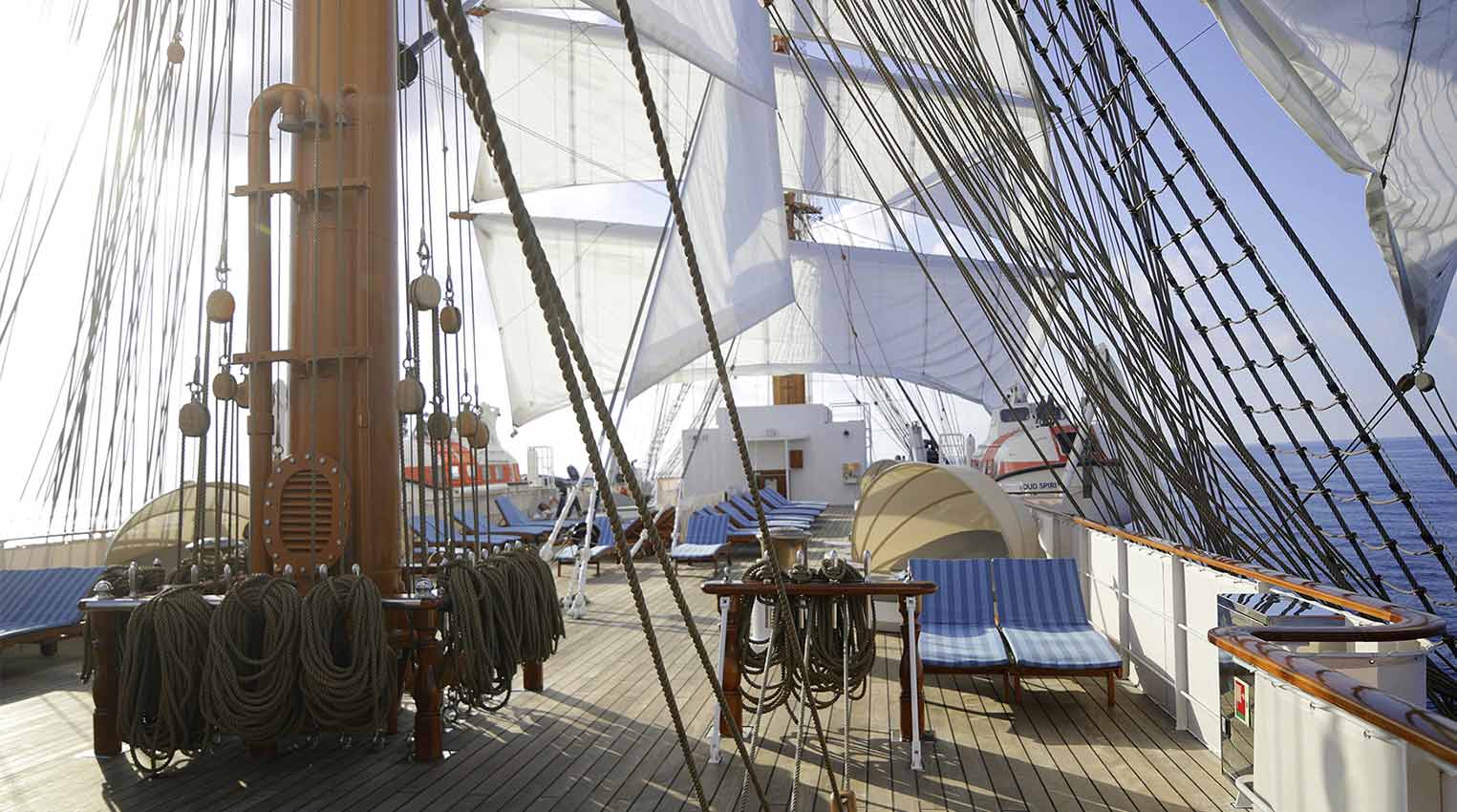
Climbing the rigging, untying ropes, setting sails – today is all about sailing. Time to lean back and relax in the deck chair and watch the passionate crew hoisting the sails by hand.
The old city of A Coruña is set picturesquely on a peninsula and its landmark is the Tower of Hercules, over 2,000 years old, set on the headland in front of the city. Culture, history and art come face to face with traditional Galician lifestyle. Santiago de Compostela, one of the world's most famous pilgrimage sites, is the goal and climax of the Camino de Santiago, a path that has existed since the 11th century. The beautiful cathedral, one of the most important pilgrimage sites in Christendom next to Rome and Jerusalem, also dates back to this time. It is a UNESCO World Heritage Site, as is the old city. A special ritual takes place here – the Botafumeiro, where a huge thurible is swung through the magnificent transept.
Norman warriors, Turkish pirates and English privateers – for centuries, armies from all over the world attacked Vigo. For its protection, the city on the Atlantic built huge fortresses whose ruins still characterize the cityscape today. From the castle hill, there is a magnificent view over the red roofs of Vigo to the Cíes Islands National Park, large parts of which incorporate the sea and three uninhabited islands. Along beautiful hiking trails along imposing cliffs, dune landscapes and small forests, discover the diverse flora and fauna. Another well-kept secret is its stunning beaches: a British newspaper even called Playa de Rodas the most beautiful beach in the world.
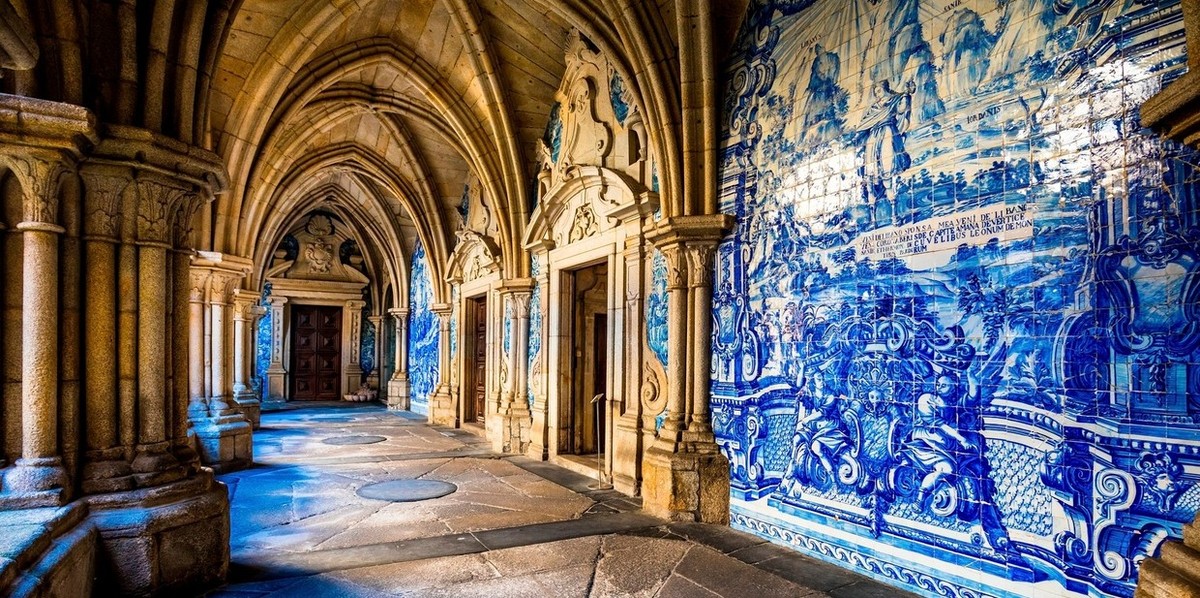
Porto considers itself the country's secret capital. The narrow lanes of the historic old town "Ribeira", a UNESCO World Heritage Site, extend in terraces up the slope overlooking the Douro. The former working class district has blossomed into a beautifully restored trendy neighbourhood. A student of Gustave Eiffel created the bold design for the bridge, which stretches over the river in a wide arc and links the Ribeira with Vila Nova da Geia and its 50 port wineries that lie on the other side. The best way to reach the incredible Douro Valley and the countryside of the Alto Douro wine region, also a UNESCO World Heritage Site, is by river.
The most beautiful approach to the Portuguese capital is to travel up the River Tagus. One of the city's most famous landmarks has been greeting visitors right on the estuary since 1521 – the Torre de Belém. This is a UNESCO World Heritage Site and transports you back to the glory days when Portugal was a naval power. There are many landmarks, such as the facades of the houses decorated with azulejos tilework and the ancient trams that rattle through the city. But Lisbon has many different sides. Joie de vivre comes face to face with the melancholy of Fado music, winding lanes in the old city meet wide boulevards, while magnificent churches and austere monasteries show the two sides of former religious faith.
Itineraries are subject to change.
Sea Cloud Spirit
Building a three-mast full-rigged ship with traditional rigging in the 21st century may seem a little unusual. For SEA CLOUD CRUISES it is a commitment to true passion for sailing. With her clear, classic line she follows the example of her elegant windjammer sisters, but goes completely new ways. An entire deck with balcony cabins, an exclusive wellness and SPA area, a fitness room with sea view, a bistro on deck as an evening alternative to “fine dining” in the restaurant – the youngest member of the SEA CLOUD family offers plenty of room for individuality in addition to genuine windjammer romance.
The SEA CLOUD SPIRIT combines traditional windjammer experience with 21st century comfort with up to 136 passengers.
Cabins
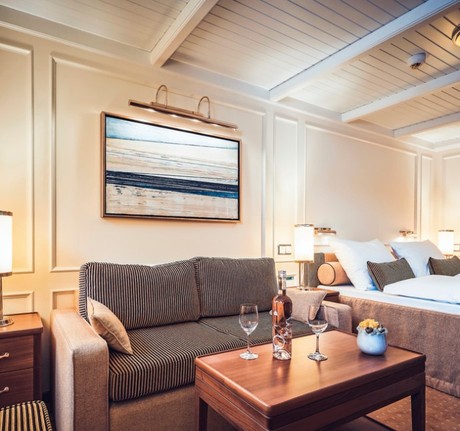
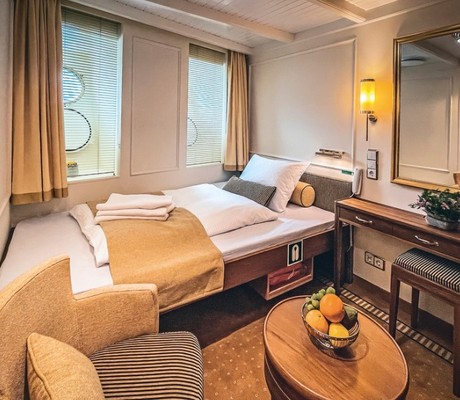
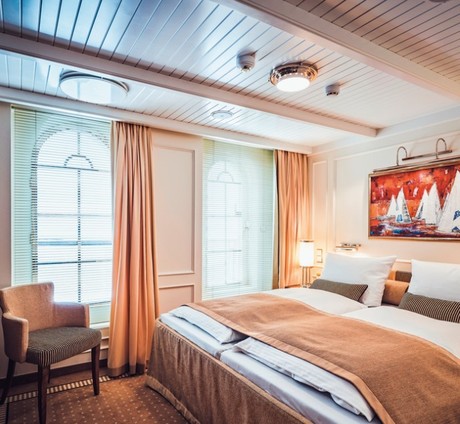
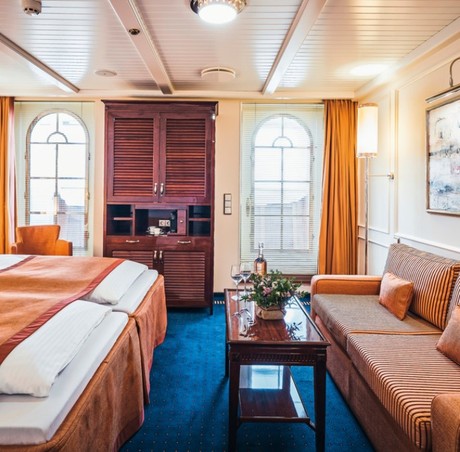
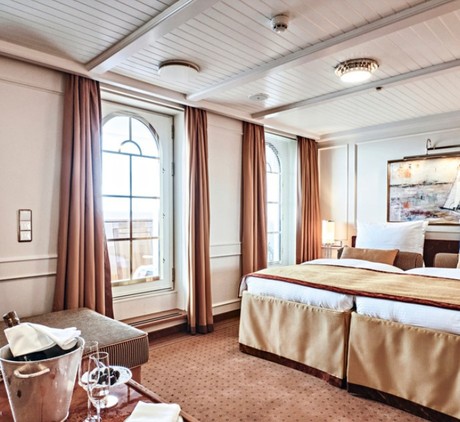
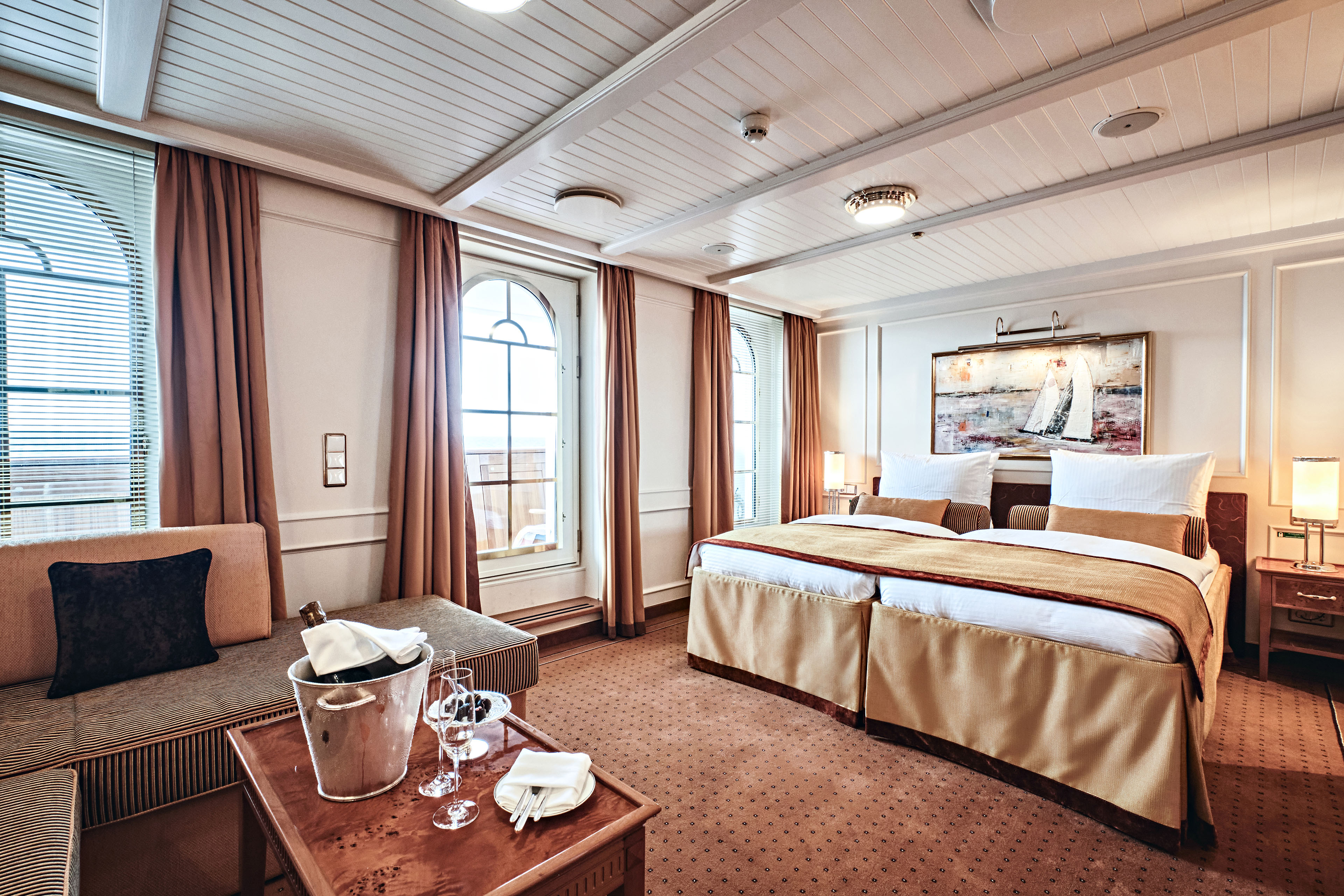
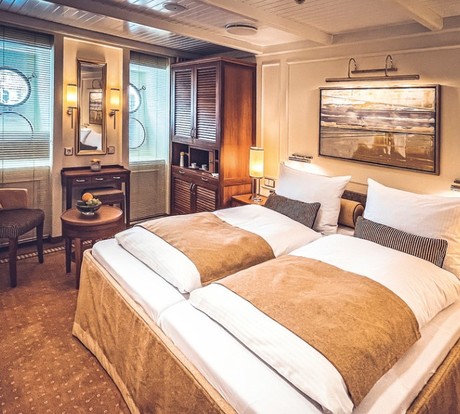
Even more comfort: of the 69 cabins from the owner suite to the superior outside cabin, almost half have balconies or windows to open.
Public areas
Spacious decks, a generous wellness and SPA area, fitness with sea view and much more: on board the SEA CLOUD SPIRIT, one does not only enjoy the freedom under sails.
Deck plans are for illustrative purposes only – The actual ship and cabin layout may differ.