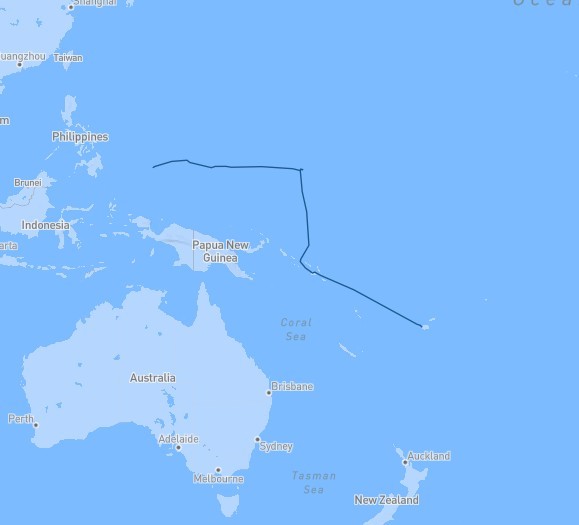
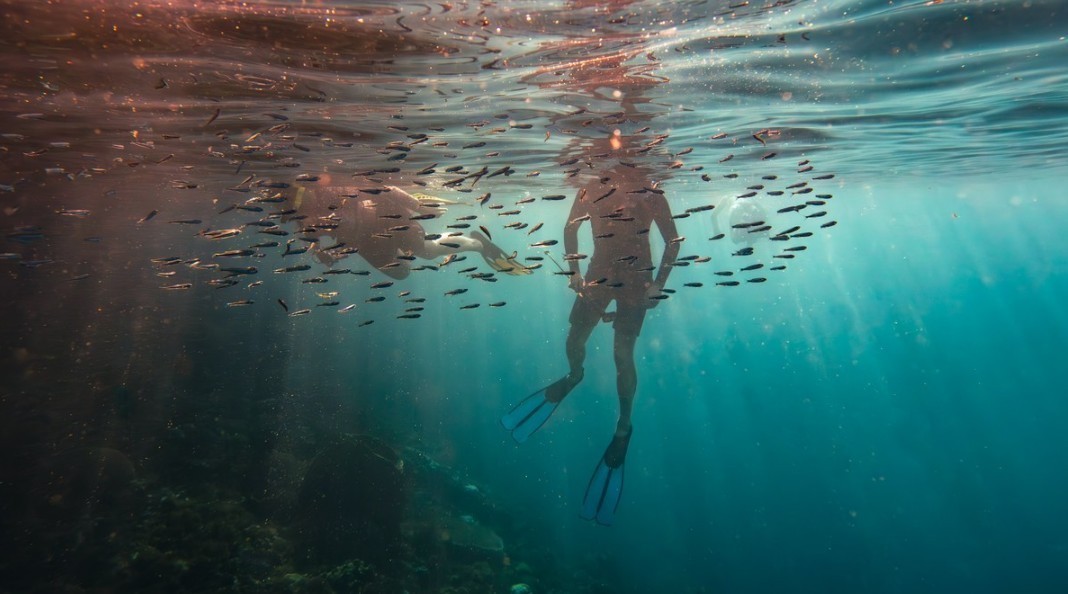
Join Heritage Expeditions on the ultimate 18-day expedition cruise navigating the islands and atolls of Micronesia and the Solomon Islands. Snorkel pristine reefs, discover ancient cultures, explore World War II relics, relax on picturesque white-sand beaches and search for endemic wildlife. This all-inclusive voyage visits some of the world’s most isolated tropical islands and atolls, rarely open to travellers and accessible only by expedition ship.
Starting with a hotel night in Fiji, the ‘Gateway to the Pacific’, our adventure begins with an included charter flight to the Solomon Islands. Here, we board our luxurious 140-guest flagship Heritage Adventurer, bound for Palau via postcard-perfect remote islands and reef-fringed shores barely visible on the map.
Specifically designed for intrepid adventurers and travel trailblazers, this voyage explores some of the world’s most isolated atolls. We plan to visit rarely visited Sorol Atoll, with its nearest neighbour over 120 nautical miles away, and Ontong Java, one of the world’s largest atolls and among the Pacific’s most remote inhabited regions.
As breathtaking above water as below, these islands feature stunning beaches, vibrant lagoons, dramatic outer reef walls, coral gardens and WWII wrecks teeming with marine life. Snorkelling opportunities abound and include some of the world’s most diverse reefs, such as the UNESCO World Biosphere Reserve of Ant Atoll, a conservation triumph with extraordinary marine biodiversity.
These tiny islands are steeped in history, offering opportunities to discover Pacific navigation and traditional island culture from small populations still practising time-honoured traditions. From Kapingamarangi’s skilled carvers to the master navigators of Satawal and Nukuoro, and Pohnpei’s megaliths and Nan Madol—an ancient city of palaces, temples and burial grounds built between the 13th and 17th centuries—there is much to learn and experience.
Conservation plays an important role in protecting the beauty of Micronesia, and this is seen in action on the Arnavon Islands, home to the largest rookery of critically endangered Hawksbill Turtles in the South Pacific. Birders and wildlife enthusiasts will relish searching for rare and endangered species on rarely visited islands, including the Ontong Java White-eye, Pohnpei Lorikeet, Chuuk Monarch, Teardrop White-eye and the endemic Ontong Java Flying Fox.
Those interested in World War II history will find relics both above and below water. Trek through pristine jungle searching for plane wrecks on Woleai Atoll, and snorkel the tranquil waters of Chuuk Lagoon, the world’s largest shipwreck graveyard of World War II vessels.
The expedition also includes the option to join a sea kayaking excursion with an expert guide.
- Remote Micronesian atolls, pristine reefs, and world-class snorkelling
- Ancient island cultures, traditional navigation, and Nan Madol megaliths
- WWII history, rare wildlife, and some of the Pacific’s most isolated islands
Availability is always subject to confirmation. Please check with us before booking flights
Prices quoted here are often dependent on currency fluctuations. Please check with (01432 507450 or info@small-cruise-ships.com) for the very latest price, which may well be cheaper than the one advertised here.
Fly to Nadi International Airport and make your way to Denarau Island, Fiji’s luxurious resort retreat nestled among swaying palm trees where sky-blue waters lap golden sands. Make your way to the hotel, where our group will spend the first night of the expedition. This evening, meet your fellow voyagers and expedition guides over dinner at the hotel.
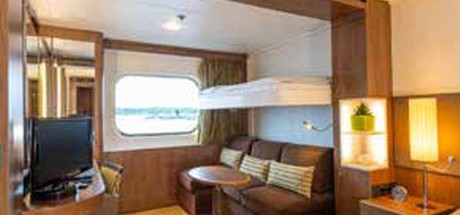
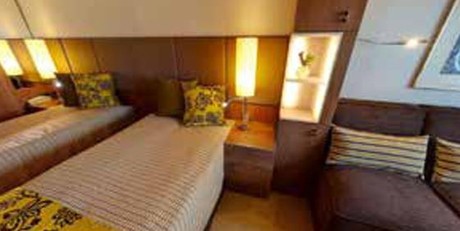
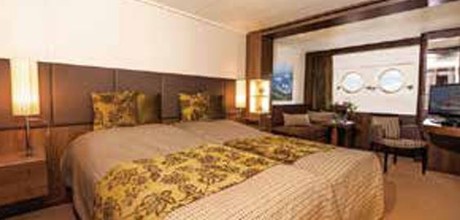
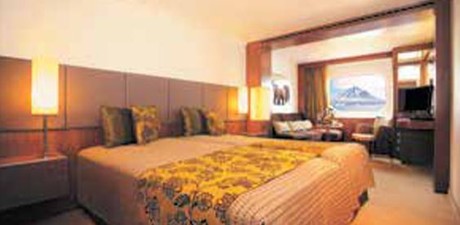
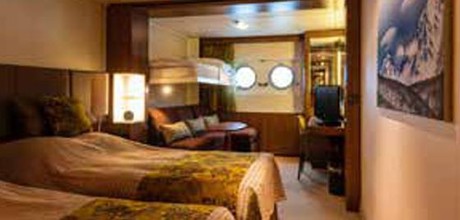
Enjoy breakfast at the hotel before boarding your flight to Honiara, Solomon Islands’ colourful capital on the island of Guadalcanal. This gateway to tropical island paradises is home to a modern waterfront and iconic World War II history. This afternoon, board Heritage Adventurer where the captain and expedition team will be waiting to greet you upon arrival and show you to your accommodation. You will have time to settle in and familiarise yourself with the ship; we will also take the opportunity to introduce you to your expedition team and our voyage plans. You are invited to join the expedition team in the Observation Lounge and up on the Observation Deck as we set sail for the Arnavon Islands.
North-west of Santa Isabel lies a collection of four tiny tropical outposts known as the Arnavon Islands – home to the largest rookery of critically endangered Hawksbill Turtles in the South Pacific. Some 1,200 nests are laid here each year. These remote sandy shores are rich in both marine biodiversity and terrestrial fauna with 41 species of birds, 6 species of bats, and at least 7 species of reptiles found here. Offshore, 169 square kilometres of the islands’ turquoise waters are protected by the Arnavon Community Marine Park and administered by a unique local collective known as the Arnavon Community Marine Park Management Committee. Expect a day of adventure, discovery and sublime snorkelling as we explore these tropical treasure troves, including Kerehikapa Island.
Today is a true expedition day as we visit Ontong Java, one of the Pacific Ocean’s most remote destinations. It is also one of the largest atolls in the world and home to the endemic Ontong Java Flying fox and Ontong Java White-eye. Surrounded by more than 100 islets, 23 waterways connect its magnificent lagoon to the surrounding sea. Below the water lies the Ontong Java Plateau, the world’s largest seafloor platform covering 1% of the Earth’s surface, and thought to be created by the largest volcanic eruption in the planet’s history some 125 million years ago. The surrounding waters are central to survival for the 2,000 people living between two villages. They rely heavily on small-scale fishing and traditional free-diving to harvest resources such as beche-de-mer (sea cucumber) and trochus (sea snails), which have long been valuable marine commodities. We will explore the calm lagoons, vibrant shallows and traditional culture which defines daily life for the atoll’s inhabitants.
Relax on board after our adventures; join a lecture, edit your photos or update your journal. You can also watch your voyage unfold from the Bridge with the captain, in the Observation Lounge, or poolside, as we cross the Equator and sail towards the Federated States of Micronesia and Kapingamarangi Atoll.
Today we will discover why the local name for Kapingamarangi translates to ‘gift from heaven’ as we explore the Federated States of Micronesia’s rarely visited southernmost atoll. Thirty-three wooded islets, reefs and islands enclose a 5-kilometre-wide mid-ocean lagoon – all of which resemble a teardrop from space. Just four of the islands are inhabited by approximately 500 locals. They share generations of knowledge, including famed intricate wooden carving skills, and speak their own dialect, known as Pukapukan. Expect a joyous welcome and exceptional snorkelling where WWII Japanese wrecks await discovery.
Another day, another rarely visited Micronesian gem. Nukuoro Atoll is a classically shaped atoll which reveals a sandy ring at low tide. Intermittent ship access has ensured the approximately 370 locals living on just 1.7 square kilometres of land live a traditional, subsistence lifestyle while running a small black pearl farm. Known for its Nukuoro wooden figurines, the atoll has a rich history influenced by both Polynesian and Micronesian cultures. Archaeological finds reveal Nukuoro has been inhabited since at least the 8th Century and traditional practices and art forms, including sculpture and tattooing, are still carried out today. The atoll’s famed navigators still use stars and wave patterns to find their way across the ocean. Snorkellers can expect to be immersed in thriving marine life, lush corals and a sense of ocean wilderness. Explore thriving reef communities, follow schooling Surgeonfish grazing on reef flats, or stop to watch the vibrant Damselfish surging among colourful coral bommies.
This privately-owned piece of island paradise, featuring a stunning lagoon, extensive coral gardens, astounding marine biodiversity and powdery white sand beaches, is ours for the day to explore. Part of the Senyavin Islands group, Ant Atoll is steeped in traditional legends and is a UNESCO World Biosphere Reserve and conservation success story. Home to 13 species of reptiles, including the Hawksbill and Green Turtle, 25 bird species, seven mammals, while hundreds of other marine species can all be found below the water. Biosphere rangers stationed on the island work to safeguard this vibrant marine life. Snorkellers can expect to encounter a unique variety of marine species, including a healthy population of Grey Reef sharks, Barracudas, Jacks, Napoleon Wrasse, and many more. Conditions permitting, we may also venture beyond the lagoon to experience the extraordinary visibility of the waters along the outer reef walls.
Just east of Ant Atoll lies Pohnpei, a large volcanic island (Micronesia’s largest and tallest). Lush tropical jungles, mist-covered mountains, crashing waterfalls (courtesy of high rainfall), mangrove swamps and some of the most exotic flora in the Pacific are ours to explore. Home to more than 750 species of plants, 250 of them endemic. There are also 50 species of birds, five of which are endemic including the beautiful Pohnpei Lorikeet, more than 70 species of lizards, wild pigs, deer and megabat Pohnpei Flying Fox, to look for. Also known as the ‘land of mystery’ and ‘garden island of Micronesia’, Pohnpei is considered Micronesia’s Angkor Wat. Discover megaliths, and Nan Madol, an ancient city of palaces, temples and burial grounds built between the 13th and 17th Centuries by the sea-worshipping Saudeleur Dynasty. Spanning 92 artificially-made islets, and divided by Venetian-style waterways, it fell into disrepair after the dynasty was overthrown in 1628. Pohnpei also offers diverse reef geomorphology and is a centre of abundance for numerous reef-building coral.
Doubling as both a huge atoll and a small island, Oroluk’s unique and remote positioning sees this tropical outpost multitasking as a biodiversity hotspot. This hidden gem has a ‘natural bridge’ allowing marine and terrestrial life to move between the Indo-Malay and central Pacific regions. Here we will discover the rich culture and customs kept alive by the tiny population of around 10 as we explore this extensive lagoon with barrier and fringing reefs, reef passages and seagrass beds. Its importance as a wildlife sanctuary and turtle nesting site has seen it declared a marine sanctuary and snorkelling paradise home to Green Turtle, Butterflyfish, Coral Trout, and Batfish. On land, look for Atoll Starlings, Ruddy Turnstones, Black Noddies, White Terns and White-tailed tropicbirds.
Be sure to be out on deck, or in the Observation Lounge, as we enter the protected (and historic) waters of the Chuuk (Truk) Lagoon this morning. This spectacular, enormous coral-fringed lagoon encompassing some 2,129 square kilometres is sheltered by 15 towering volcanic islands. Here, we will explore lush rainforests home to Chuuk Monarch, Yellow Bittern, Blue-faced Parrotfinch and Teardrop White-eye, waterfalls, deserted beaches, tiny villages and a gruesome past. In 1944, American bombers sank 60 Japanese Imperial Navy vessels and hundreds of aircraft, with more than 4,000 Japanese soldiers joining the world’s biggest shipwreck graveyard. Slipping beneath the water reveals a ghost fleet of wrecks dotting the lagoon’s floor. Now, transformed into world-renowned reefs teeming with marine life, expect a snorkelling experience rich in both natural beauty and tangible history. Bird remote islands, explore idyllic white sand beaches and snorkel this underwater time capsule.
Once occupied by the Japanese and then Catholic missionaries, this stunning coral atoll comprising four islands epitomises isolated paradise. Our destination today is the little-known lagoon of Lugav. One of the westernmost outliers of Chuuk state, Lugav is laced with WWII history and is a snapshot into the past with traditional customs and lifestyles honoured through generations. Here, we will have time to explore the stunning lagoon and surrounding forests, the abandoned Japanese Lighthouse built in 1940 and enjoy a traditional slice of island life as it used to be.
A mere speck in the world’s largest ocean, Satawal is an unspoiled paradise and the easternmost island in Yap State. Known for its stunning coral reefs and gin-clear waters, exceptional snorkelling is a given, while lush forests and powdery shores invite exploration. Satawal’s remoteness has ensured its protection and retention of ancient customs and skills, including its famed master Navigators, who travelled between islands on hand-hewn canoes. Their legacy and prowess are captured in Steve Thomas’ recently updated 1987 book The Last Navigator. Visitors here are rare, so we can expect a warm welcome from the local community as we discover centuries-old navigational techniques where skill, observation, and nature guide every voyage.
Today we plan on visiting three atolls, the double atoll of Elato in the morning, and uninhabited Olimarao in the afternoon. The waters surrounding Elato are considered among some of the deepest on the planet, and its seldom explored coral reefs are filled with colourful coral teeming with life in the nutrient rich waters. Here, we plan to explore a true coral highlight where plate and mound corals cascade down the reef slope forming dense cover, while schools of Parrotfish, Wrasse, Fusiliers, Snapper and more bring the reef to life. On land, around 100 close-knit locals practice traditional subsistence living where ancient customs and navigation techniques guide day-to-day life. Neighbouring Olimarao, within the Olimarao Conservation Area, is an important protected breeding site for sea turtles, Coconut Crabs and sea birds. Options today include exploring its lush interior for wildlife, coconut palm-fringed shores or snorkelling pristine reefs.
Heavily bombed in WWII, nature has restored the balance with Woleai, a coral atoll comprising 22 islands somewhat resembling the figure eight, reinstating its former forgotten paradise splendour in the heart of the Pacific. WWII history can still be found in the form of wrecked planes including Mitsubishi G4M ‘Betty’ bombers and Mitsubishi A6M ‘Zero’ fighters hidden in the island’s jungles. Meanwhile a submerged Kawanishi H8K ‘Emily’ flying boat with a 38-metre wingspan rests below the lagoon’s surface. More recently, foreign investment in Woleai Atoll has seen works commence to reconstruct Woleai’s 80-year-old Japanese-built aircraft runway. However, natural beauty is the order of the day with explorations of lush jungles, expansive coral gardens, pristine beaches and warm and inviting cultural exchanges rounding out this paradise found.
A string of nine coral atolls scattered across the Pacific Ocean, Sorol Atoll is an unspoiled paradise, and ours to explore this afternoon. Uninhabited since the early 1980s, and with few visitors due to its super secluded location (its nearest neighbour is more than 120 nautical miles away), Sorol’s anonymity has preserved its paradisical credentials. Explore the atoll’s remote inner lagoon and surrounding pristine reefs, untouched by development with abundant reef fish and healthy coral cover. On land, its white sand beaches are important sea turtle breeding grounds, while beyond the nodding coconut palms, verdant jungles are home to geckos, skinks, monitor lizards and seabirds. An afternoon of uncharted adventure awaits.
Today will see us exploring Micronesia’s westernmost frontier and least-known and explored atoll - Ngulu. Discover a rich history of Pacific exploration and a treasure trove of history and adventure opportunities -archaeological relics dating back to 800AD indicate Ngulu was part of Micronesia’s trade routes. Marvel at supersized Rai Stones, carved from limestone on Palauand transported via canoe and outrigger. Once used for money, they are now abandoned village garden features. Explore tangled jungles and an expansive 18-part reef, and look for the Japanese WWII Nakajima B5N ‘Kate’ torpedo bomber wreck on this trifecta of main islands and a scattering of six satellite islands, all cupping a deep, 382 square kilometre central lagoon.
Be sure to be out on deck or in the Observation Lounge early this morning for our arrival to Palau, a stunning Pacific Island nation made up of more than 300 islands. Palau is famous for its stunning underwater worlds, lush jungles, white sand beaches, friendly locals and spirited season of television reality show Survivor. This morning, there will be a complimentary coach to Palau International Airport. To allow time for disembarkation procedures and travel from the port, we do not recommend booking flights departing before 1200 hours. Note: During our voyage, circumstances may make it necessary or desirable to deviate from the proposed itinerary. This can include poor weather and opportunities for making unplanned excursions. Your Expedition Leader will keep you fully informed. This tour offers a variety of activities and excursions. Your personal interests will determine which of these you wish to join. Please note that some activities and excursions will run at similar times, and it will not be possible to participate in both. Accordingly, refunds for excursions and missed landings are not available. Voyages are planned and scheduled pending final regulatory approval.
Itineraries are subject to change.
Heritage Adventurer
| Length | 124 |
|---|---|
| Built / renovated | 1991/2021 |
| Ice classification | Lloyds 1AS, GL E4 |
| Passenger Capacity: | 140 |
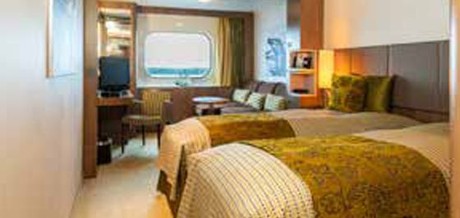
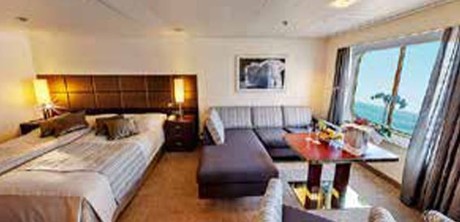
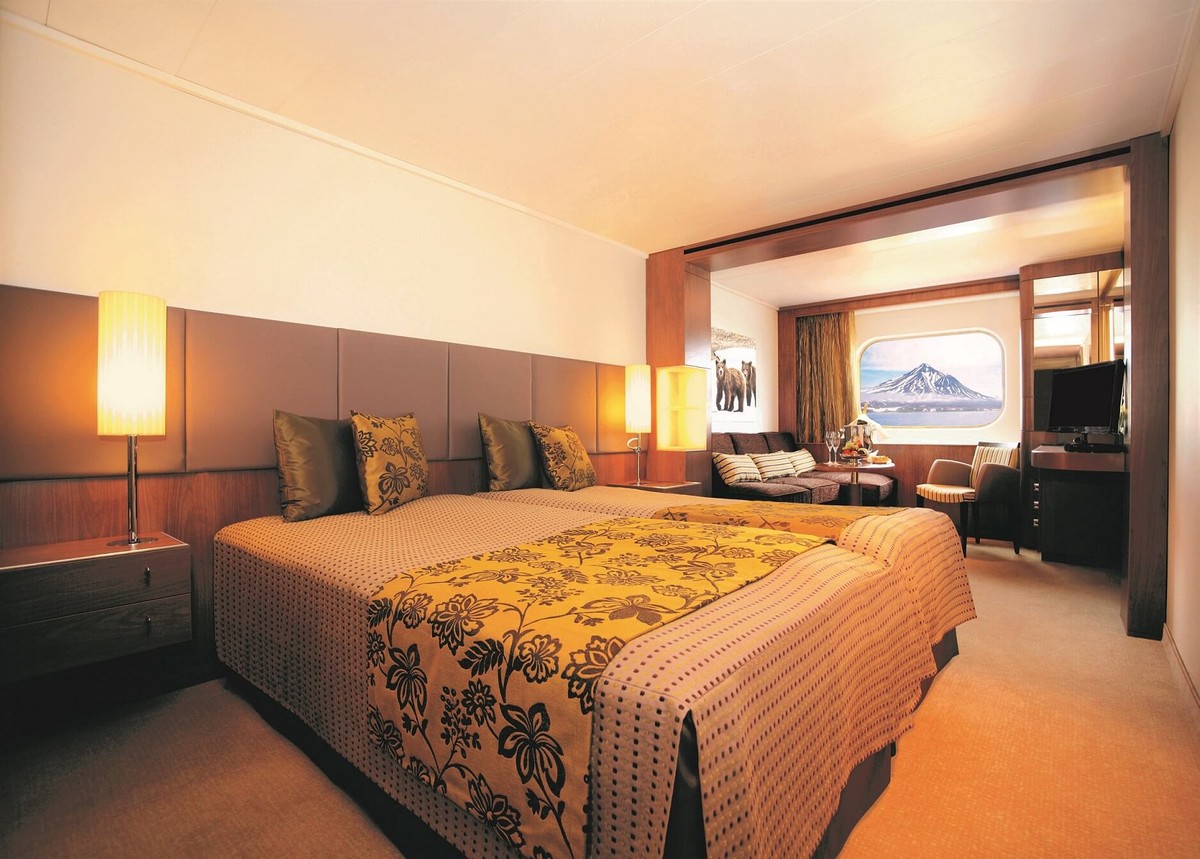
Heritage Adventurer is a true pioneering expedition vessel of exceptional pedigree. Often referred to as the ‘Grande Dame of Polar Exploration’ due to her celebrated history and refined design, she was purpose-built for adventure in 1991 at Finland’s Rauma shipyard and specifically designed for Polar exploration.Setting a peerless standard in authentic expedition travel, Heritage Adventurer (formerly known as MS Hanseatic) combines the highest passenger ship ice-class rating (1A Super) with an impressive history of Polar exploration.
Having held records for the most northern and southern Arctic and Antarctic navigations, and for traversing both the Northwest and Northeast Passages, makes Heritage Adventurer perfect for pioneering experiential expedition travel. Originally designed to accommodate 184 guests, Heritage Adventurer now welcomes just 140 expeditioners ensuring spacious, stylish and comfortable voyages, while a fleet of 14 Zodiacs ensures all guests are able to maximise their expedition adventure. Heritage Adventurer proudly continues our traditions of exceptional, personalised expedition experiences as Heritage Expeditions flagship.
Observation Lounge – One of the most celebrated and best-known features of Heritage Adventurer is the awe-inducing Observation Lounge, Library and Bar. Located on Deck 7 and perched directly above the Bridge, enjoy sweeping 270-degree views through floor to ceiling windows, perfect for wildlife spotting and quick access to the outer deck. Bring your binoculars to spot wildlife, observe the ever-changing landscape, write in your journal or relax with a book.
Observation Deck – Enjoy 360-degree views from the highest point on the ship. The Observation Deck sits above the Observation Lounge and provides exceptional outside viewing options. Stretching the full width of the vessel, this is the perfect spot to take in the surrounding land and seascapes. Perfect on a sunny day, recline in the comfortable sun loungers protected from the wind and elements and watch your voyage unfold.
The Bridge – No expedition is complete without visiting Heritage Adventurer’s busy nerve centre. Located on Deck 6, Heritage Expeditions’ Open Bridge Policy means you are welcome to observe the Captain and crew at work while enjoying some of the ship’s best views. It’s a fascinating place to learn about navigation and vessel operations, however please note the Bridge will be closed when departing or arriving at port.
Dining Room – Indulge in fine international cuisine from our talented chefs in the lavish surrounds of our Dining Room on Deck 4. Sensational 270-degree views provide a stunning backdrop to meals here along with an international wine list featuring many outstanding regional wines. With relaxed seating arrangements, all guests can enjoy dining in a single sitting from hearty breakfasts setting you up for the day’s adventure to sumptuous lunches and multi-course evening dining.
Bistro – Simple fast and delicious meals and snacks are on offer in our relaxed Bistro on Deck 6. Perfect for early risers to enjoy tea, coffee and light breakfast options the Bistro provides great views and opens directly onto a covered and heated teak-deck outdoor dining area.
The Bar and Lounge – The social hub of Heritage Adventurer, the Bar and Lounge on Deck 5 features seating for all guests. Enjoy a beverage at the bar, sink into an armchair, relax on one of the many spacious loungers and watch the world go by through the panoramic windows or make new friends at the communal seating. This multi-tasking space also doubles as the location of daily briefings and evening recaps with the expedition team.
The Gym – Featuring spectacular ocean views, the well-equipped gym is adjacent to the pool, hot tub and sauna in Deck 7’s wellbeing zone. Maintain your routine with an elliptical cross trainer, treadmill, rowing machine, stationary bikes, TRX as well as free weights, yoga mats and fitness balls. Towels are provided with change room and shower amenities nearby.
Sauna and Steam Room – True to her Nordic origins, Heritage Adventurer features a dry-heat Finnish sauna and European steam room on Deck 7. Perfect for warming up post Polar plunge or unwinding after a day’s adventures, the sauna and steam room include change room facilities, showers and towels.
Swimming Pool and Hot Tub – Surrounded by relaxed teak seating including sun loungers, the open-air saltwater pool can be heated or chilled. Encased in glass the hot tub ensures all-weather use, perfect for those who like to relax with a view following a day of exploring.
Lectures and Presentations – Enjoy informative and entertaining lectures on history, biology, wildlife, and ecology in the comfort of the Presentation Theatre. With state-of-the-art audio-visual equipment, our world-renowned expedition team will bring your adventure to life through interactive presentations and discussions.
Deck plans are for illustrative purposes only – The actual ship and cabin layout may differ.