
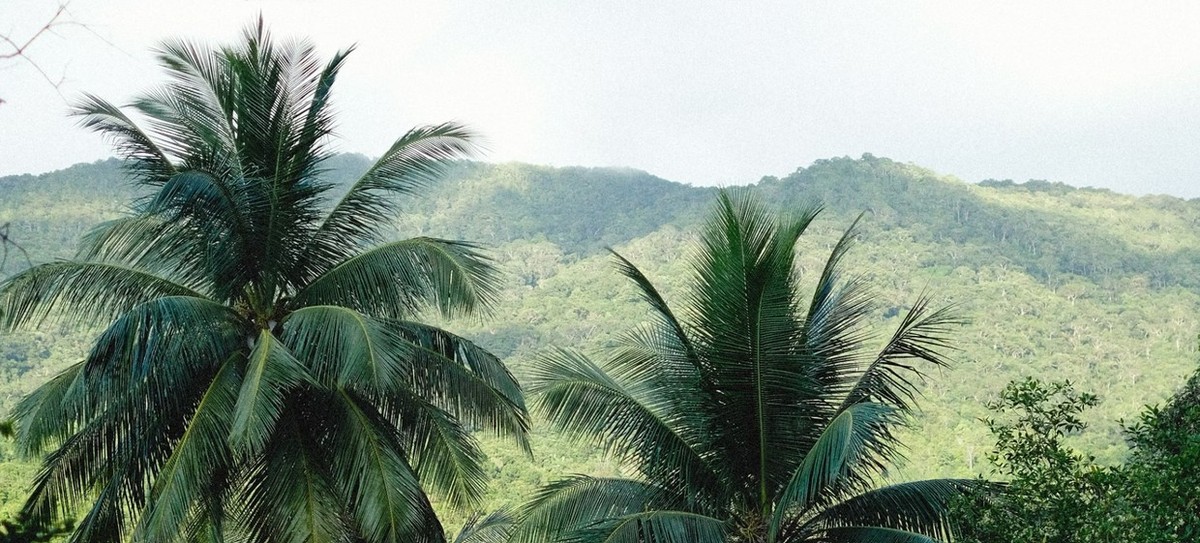
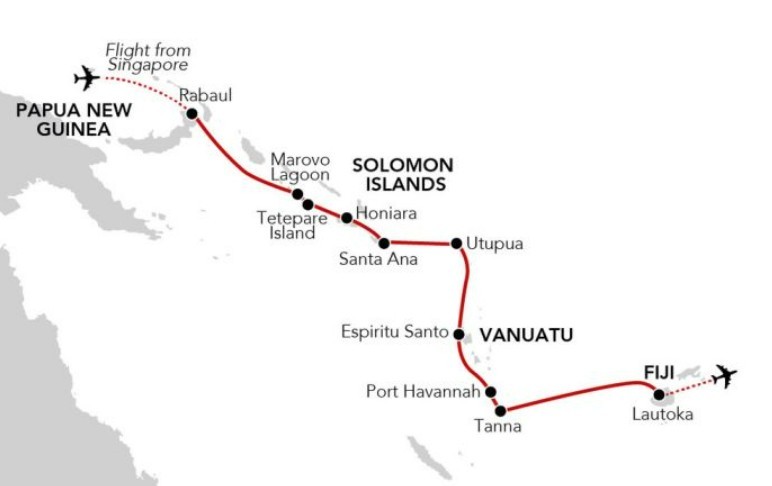
Here is a fascinating island hopping expedition through Melanesia from Papua New Guinea to the Solomon Islands, Vanuatu and finally to Fiji. Travelling independently in Melanesia can be difficult, with little infrastructure in place to accommodate for tourists and information about getting around often scarce. This of course makes the region alluring to the genuine traveller who will encounter beautiful islands with unique features and customs that remain relatively unscathed by the modern world. The region is ideal for exploring by small ship and particularly one as suitable as the MS Island Sky. Her fleet of Zodiac landing craft provides us with the freedom of spontaneity to explore and land in places where relatively few travellers have been before us.
After an overnight stay in Singapore, our expedition will begin in Papua New Guinea where we will moor in the dramatic Simpson Harbour which is part of a huge, flooded caldera and ringed by a number of volcanoes. From here we set sail for the Solomon Islands which were thrust on to the centre stage of world history when the Allied forces took the offensive in the South Pacific and air, land and sea battles ensued for their control. We will visit the majestic Morovo Lagoon, the world’s largest double barrier lagoon and a truly awe-inspiring place, and Tetepare Island which is the largest uninhabited tropical island in the Southern Hemisphere. We continue to Honiara where we explore the war sites and then on to the enchanting small islands of Santa Ana and Utupua. With our time on these remote island paradises we will have the opportunity to visit tribal villages little changed for centuries, see astonishing ceremonial dances, enjoy nature walks inland or swim in the warm waters from isolated palm-fringed beaches. Leaving the Solomon Islands, we have three days in Vanuatu archipelago home to volcanos, rainforests bursting with a magnificent array of flora and fauna, beautiful beaches and a mesmerising underwater world of tropical fish and coral.
Afloat and ashore, our expedition will be filled with unforgettable images, remote idyllic islets, tribal villages unchanged for centuries, astonishing ceremonial dances, kaleidoscopic reefs and soaring white-tailed tropic birds. This voyage has something for everyone, whether your interest lies in natural history, military history, bird watching, photography, the undersea world or simply just being one of the privileged few who are able to set foot on islands of astonishing richness and beauty. We hope you can join us in this faraway haven, for an unparalleled opportunity to explore one of the most intriguing places on the map.
- Tanna Island’s Mount Yasur Volcano, Vanuatu: Venture to the rim of the active Mount Yasur volcano on Tanna Island, a 361-meter spectacle with glowing allure, or visit traditional villages to experience local culture largely untouched by Western influences.
- Marovo Lagoon’s Coral Paradise, Solomon Islands: Explore the world’s largest double barrier lagoon, Marovo, with its vibrant coral reefs, turquoise waters, and scattered islands, offering exceptional snorkeling, village visits for intricate wood carvings, and guided forest walks.
- Tetepare Island’s Conservation Haven, Solomon Islands: Discover Tetepare, the largest uninhabited tropical island in the Southern Hemisphere, with guided rainforest walks revealing 76 bird species, leatherback turtles, and dugongs, supported by the Tetepare Descendants Association’s conservation efforts.
Availability is always subject to confirmation. Please check with us before booking flights
Prices quoted here are often dependent on currency fluctuations. Please check with (01432 507450 or info@small-cruise-ships.com) for the very latest price, which may well be cheaper than the one advertised here.
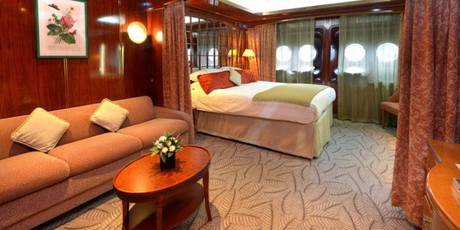
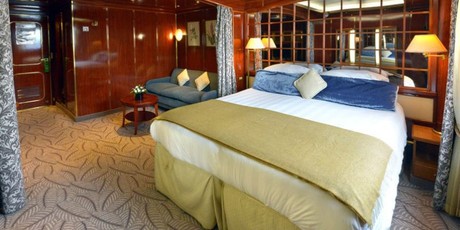
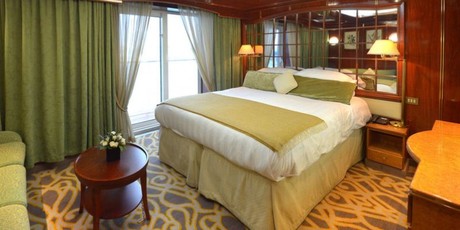
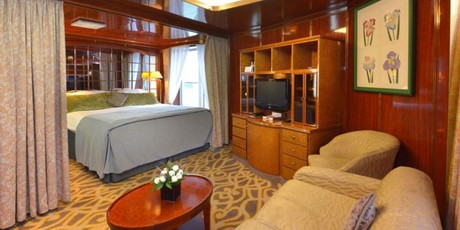
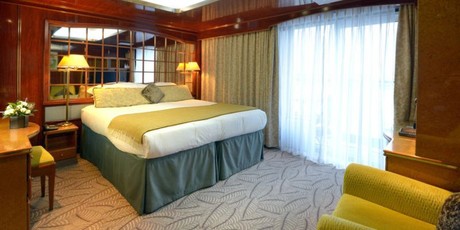
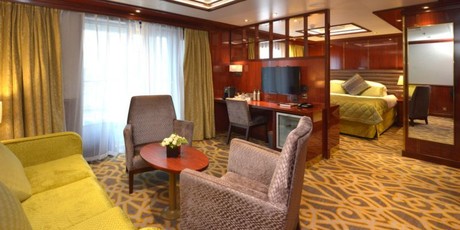

Island Sky
| Length: | 90 Metres |
|---|---|
| Built/Refurbished: | 1992/2018 |
With a maximum passenger capacity of only 116, a vessel of her size is capable of carrying many more but instead the MS Island Sky has the benefit of unusually large suites, luxuriously appointed public areas and spacious outside decks.
There is a high ratio of crew to passengers- the friendly crew of 75 crew and Scandinavian captains are experienced mariners, having been in service aboard large 2000 plus passenger vessels and who now prefer a less frantic life aboard a small ship. If, like them and us, you prefer a more peaceful life at sea, you will find the MS Island Sky the perfect ship. When choosing the vessel for your next voyage of discovery, you can select a ship with endless entertainment and impersonal service or come with us where peace, high quality service and attention to detail are the order of the day. We promise there will be no organised entertainment, fancy dress, deck games or any of the usual big ship experiences. The atmosphere on board is more akin to a private yacht or country hotel. A little music in the lounge or bar after dinner, guest speakers, informative port briefings from our cruise director and of course good food which may be enjoyed leisurely in the attractive dining room. After a day ashore you will return to the comfort and peace of a well run and exceedingly comfortable ship.
Your SuiteOnboard there are 57 exceptionally spacious and well designed suites. All feature a sitting room area and some have private balconies. The feeling of luxury is enhanced by the wood panelling and brass, which predominates throughout the vessel conveying the atmosphere of a private yacht. The passenger accommodation is arranged over five decks and all suites have outside views. Each affords considerable comfort with en-suite bathroom featuring marble-topped vanity unit with sink and walk-in shower, large wardrobes, dressing table with large mirror and stool and excellent storage. There is a mini-fridge, flat screen television with inbuilt DVD player which can also play CDs and a telephone in each suite. Bottled water, towelling dressing gowns and slippers are also provided for your comfort. Other facilities include a programmable electronic safe, hairdryer, assorted toiletries and individually controlled air-conditioning and heating. The suites on each deck have their own colour theme. Soft hues and blended tones enhance the traditional maritime style making the passenger accommodation an inviting and relaxing place to be.
Your SpaceThe spacious and finely decorated public rooms include a large lounge where daily briefings and talks will be provided throughout the voyage and an elegant bar where a pianist plays periodically throughout the day. The bar also features a 24-hour tea and coffee station. The onboard library is the perfect place to relax with a book and is stocked with reference books pertaining to the places the vessel is visiting along with a selection of games and two computers with internet access. Daily newspapers and magazines are also placed in the library depending on local availability. There is also WI-FI access throughout the vessel. Outside there is a rear sun deck where meals are served in warm weather under shade, a bar and comfortable deck furniture for sun bathing or relaxing with a book. On the top deck there is a Jacuzzi and further observation and sun deck. There is also a small hairdressers on board with appointments made on request.
Your DiningAnother benefit of a small ship is the quality of the cuisine. With only one sitting and a maximum of just over 100 passengers, the galley is able to provide delicious meals. Where possible and when it meets his high standards, the chef will obtain local produce in markets or buy the catch of the day from a passing fishing boat. Such purchases enhance the well stocked larders and bring a local touch to the varied menus.


Deck plans are for illustrative purposes only – The actual ship and cabin layout may differ.

Includes
• Voyage on board in selected cabin category
• House wine, beer and soft drinks with lunch and dinner on board
• Expedition team
• Shore excursions as per the itinerary (Note: Some itineraries have optional excursions as per the specific exclusions)
• Gratuities
• Port Charges/ Taxes
• Transfers as per the itinerary (Note: Transfers are offered in conjunction with group flights only when booked together, both can be taken off if included in the itinerary and credited - if the trip shows no flights then none are included)
Excludes
• Passport and Visa costs where applicable
• Travel insurance
• Beverages other than those listed in inclusions
• Meals when not on board the ship unless otherwise stated
• Pre and post voyage accommodation unless otherwise stated
• Optional excursions as per specific itinerary
• Any items of a personal nature