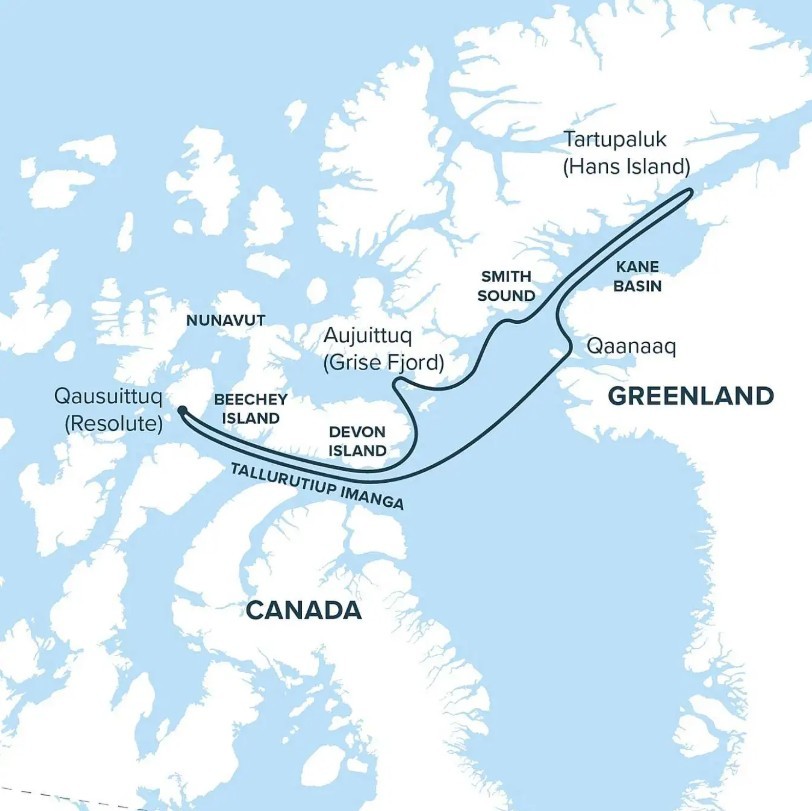
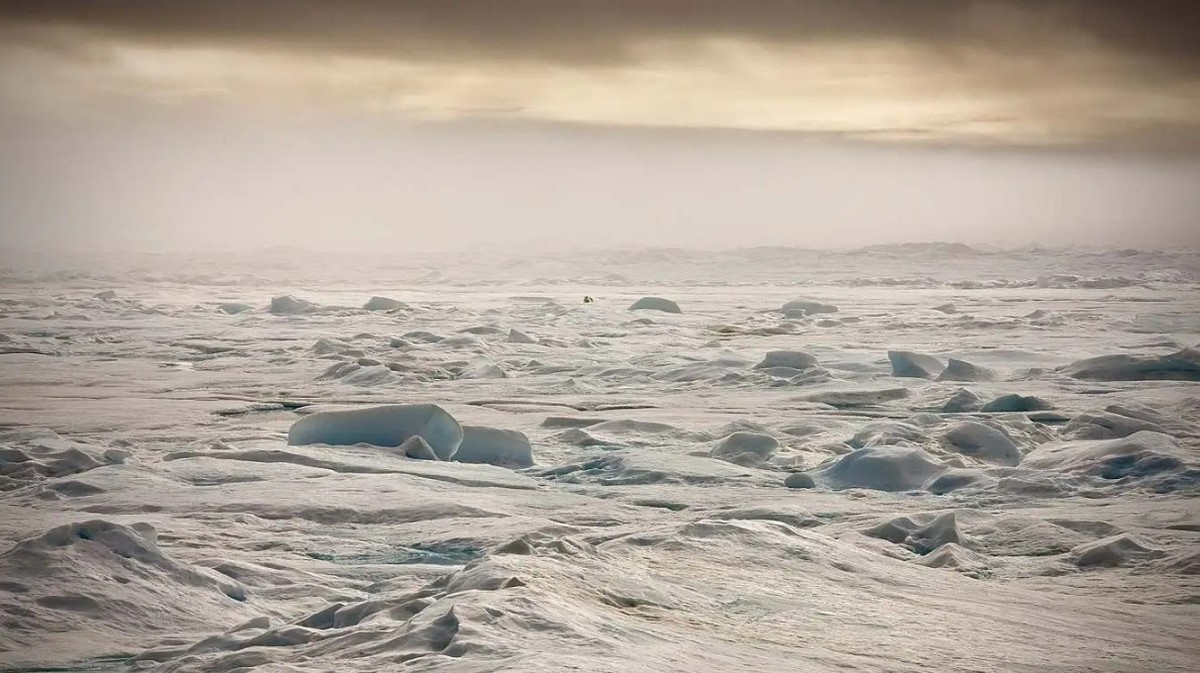
This High Arctic expedition links Canada’s remote Ellesmere Island with the far north of Greenland, travelling through a landscape shaped by ice, silence, and extreme latitude. The route traces legendary waterways—Lancaster Sound, Smith Sound, and Kane Basin—where whales, drifting floes, and immense horizons dominate the experience. Visits to Qaanaaq and Grise Fjord offer a rare look at life in some of the world’s northernmost communities, while landings on Devon and Beechey Island connect travellers with the history of polar exploration. Tartupaluk (Hans Island) marks a symbolic point between nations, and the surrounding channels reveal the raw geology and stark beauty of Earth’s polar fringe. Conditions dictate each day, allowing flexibility for wildlife encounters, shifting ice, and the unexpected rewards of travelling at the top of the world.
- Passage through Lancaster Sound, Kane Basin, and Smith Sound for concentrated wildlife, pack ice, and sweeping polar scenery.
- Rare access to Qaanaaq and Grise Fjord, two of the world’s northernmost communities.
- Landings on Devon and Beechey Island for direct connection to iconic polar-exploration history.
Availability is always subject to confirmation. Please check with us before booking flights
Prices quoted here are often dependent on currency fluctuations. Please check with (01432 507450 or info@small-cruise-ships.com) for the very latest price, which may well be cheaper than the one advertised here.
Beneath the lingering glow of the Arctic summer sun, Qausuittuq, “the place with no dawn,” welcomes you to the High Arctic. Set amid gravel flats and rolling moraine, this community carries stories of adaptation and renewal, from relocation in 1953 to its role today as a gateway for Arctic research and travel. Take time to orient yourself to the land and its stories before embarking aboard the Ocean Nova. The North awaits.
Enter Tallurutiup Imanga, a thriving marine sanctuary where whales, walrus, seals, and seabirds gather among towering cliffs, deep fjords, and endless horizons. Step ashore on Devon Island, where glaciers meet the sea and archaeological traces reflect centuries of Inuit use and knowledge of this land.
Set against a backdrop of mountains and drifting sea ice, Qaanaaq is one of the world’s northernmost towns and a centre of Inughuit culture. Here, ancient skills and modern life flow together in rhythm with the sea ice. Traditions such as dog-sledding and hunting remain vital parts of community identity, reflecting deep connections to place. Meeting the people of Qaanaaq offers a glimpse of extraordinary adaptation and continuity—life shaped, still, by ice, animals, and seasons.
Sail into Kane Basin, where the shores of Ellesmere Island and Greenland almost meet. Towering glaciers, drifting sea ice, and Arctic light set the stage for an unforgettable journey through one of the North’s most dramatic waterways. For generations, Inuit navigated these passages with exceptional skill, later followed by explorers heading toward the Pole. Over these two days, you’ll feel the spirit of exploration alive in the shifting light and every drifting floe.
Set foot on Tartupaluk—a place few will ever visit. Perched in the middle of the Nares Strait between Canada and Greenland, this small, rocky island has long been a crossroads for Inuit, who travelled these waters freely for generations. In modern times, it became the focus of a good-natured yet symbolically potent territorial dispute between Canada and Denmark. In 2022, a historic agreement resolved the issue, establishing shared stewardship between Canada and Greenland and affirming Inuit mobility rights. Standing on Tartupaluk, with Greenland to one side and Canada to the other, you’ll feel the quiet power of shared care for the North—and the enduring movement of Inuit across these waters.
Venture through Smith Sound, the dramatic channel linking Kane Basin to Baffin Bay and the southern entrance to Sarvarjuaq/Pikialasorsuaq (The North Water Polynya) — “The Great Upwelling.” Surrounded by shifting sea ice, this vast recurring area of open water is the largest Arctic polynya and the most biologically productive region north of the Arctic Circle. Its nutrient-rich waters breathe life into the Arctic, drawing whales, seabirds, and seals.
Set amid stark mountains and sweeping tundra, Aujuittuq,“the place that never thaws”, is Canada’s northernmost community. Here, stories of relocation and adaptation shape daily life. Walking with local hosts, you’ll hear how knowledge of land, sea, and seasons continues to sustain the community—a living testament to strength and ingenuity at the top of the world.
Vast and elemental, Devon Island reveals a world shaped by ice and time. Here, broad valleys and exposed rock tell of ancient forces, while bursts of Arctic wildflowers bring unexpected colour to the tundra. Along the shore, traces of Inuit presence remind us that even in the quietest landscapes, human stories endure. Immense views, striking geological formations, and profound silence combine to make this one of the most atmospheric stops of the journey.
Come ashore on Beechey Island, where Arctic history feels close and tangible. This windswept National Historic Site holds the graves of three Franklin expedition members and another who died in the search that followed. Here, Inuit knowledge has been essential in revealing the fate of the lost ships. Along the shoreline, the stark landscape invites reflection on the intertwined narratives of exploration, survival, and knowledge that still shape our relationship with the North.
Disembark in Qausuittuq and board your charter flight to Ottawa. As the Arctic stretches out beneath you, reflect on the light, stories, and relationships that have shaped this journey—connections that continue long after the voyage ends.
Published itineraries are examples only, weather, ice, government regulations, and community requests may necessitate changes to the planned schedules. These sometimes necessary adjustments present exciting opportunities for exploration, discovery, and adventure.
Ocean Nova
| Ice Class: | Ice 1B, E0 (Hull Ice 1A) |
|---|---|
| Cabins | 37 |
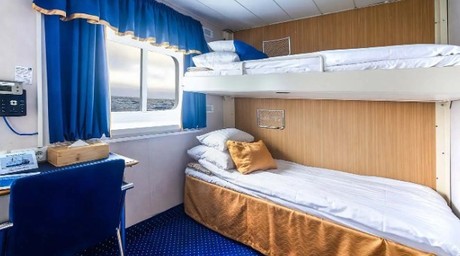
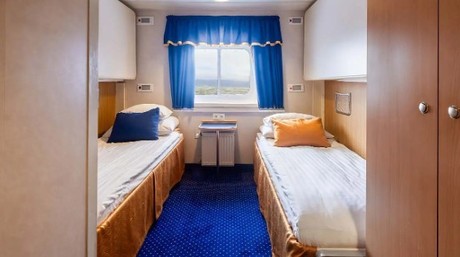
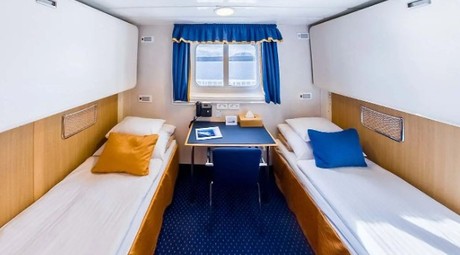
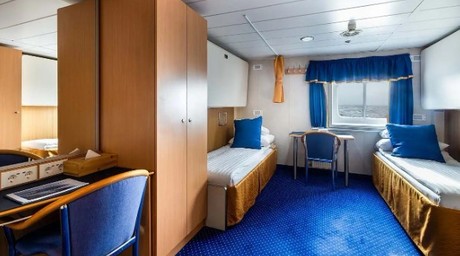
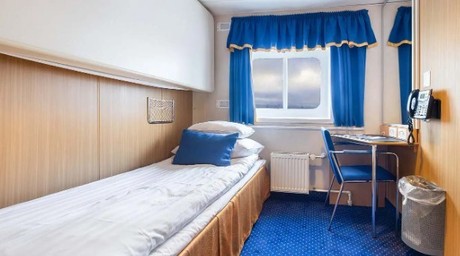
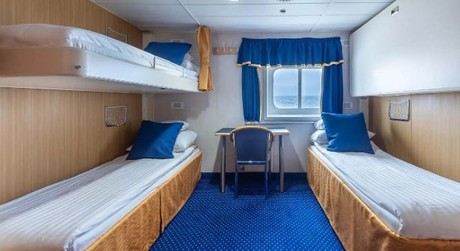
The ice-strengthened 73 metre long expedition ship Ocean Nova was built in Denmark in 1992 with high ice class to serve Greenland’s west coast. In 2004 to 2005 she was completely refurbished and has now a career as a small and comfortable expedition ship. The Ocean Nova accommodates 86 passengers in single, double and triple cabins, all with sea-view and private facilities. The double cabins have either twin beds. The triple cabins have upper and lower beds. In your cabin you will also find a desk with chair and ample storage space for clothes and equipment.
In the dining room you are treated to delicious meals in between landings and in the panorama lounge you can enjoy a drink with a breathtaking view of the surrounding polar landscape. This is where on board specialists entertain and educate you with lectures on polar biology, history, geology and conservation. There is also a library with panoramic views and a good selection of polar books. On board there is a satellite phone, gym and medical doctor. Passengers are welcome on the bridge around the clock and there is always something to see or search for from the spacious observation decks. The ship has North European officers and there is a friendly and informal atmosphere on board. Travelling with this small expedition ship offers an entirely different experience and perspective than you can get on a larger and more conventional cruise ship.
Cabins are spread over two decks and include cabins for the single traveller, double and triple cabins, all with sea-view and private facilities. The comfortable dining room located on the Upper deck seats all passengers in a single sitting and offers delicious meals with a mixture of table service and buffet. The informal dining arrangement adds to the friendly atmosphere onboard and meals are a great chance to discuss all you have seen with your fellow travellers, and for the expedition team to share their knowledge.
With one of the highest ice classes (1B) and a 2000 hp diesel engine, Ocean Nova is a small but sturdy expedition vessel just as at home in the icy waters of Svalbard as she is in a tranquil Scottish loch. The ship has a crew of 34, including North European officers, whose prime concern is your safety as well as ensuring wildlife sightings and weather conditions are maximised. For your safety there are two fully enclosed lifeboats and a medical clinic onboard.
Deck plans are for illustrative purposes only – The actual ship and cabin layout may differ.