15 Days Luxury Atlantic Ocean Cruise - Dakar, Senegal to Lisbon, Portugal

Find the perfect trip

15 days from

£12089 GBP pp

* Current p/p indicative rate.

Overview
Highlights
Dates & Prices
Itinerary
Map
Ships

Highlights

  • Cape Verde’s volcanic chain, from Fogo’s active caldera to Porto Novo’s Afro-Brazilian coastal culture.
  • Canary Islands’ contrasting terrain, including La Gomera’s ravines and La Palma’s black-sand shores.
  • Portugal and Morocco in sequence: Madeira’s garden landscapes, Porto Santo’s quiet dunes, and Morocco’s fort towns and souqs.

Highlights

  • Cape Verde’s volcanic chain, from Fogo’s active caldera to Porto Novo’s Afro-Brazilian coastal culture.
  • Canary Islands’ contrasting terrain, including La Gomera’s ravines and La Palma’s black-sand shores.
  • Portugal and Morocco in sequence: Madeira’s garden landscapes, Porto Santo’s quiet dunes, and Morocco’s fort towns and souqs.
Capacity: 200, Types: Luxury Small Ship CruiseLuxury Expedition
Feture image for 15 Days Luxury Atlantic Ocean Cruise - Dakar, Senegal to Lisbon, Portugal

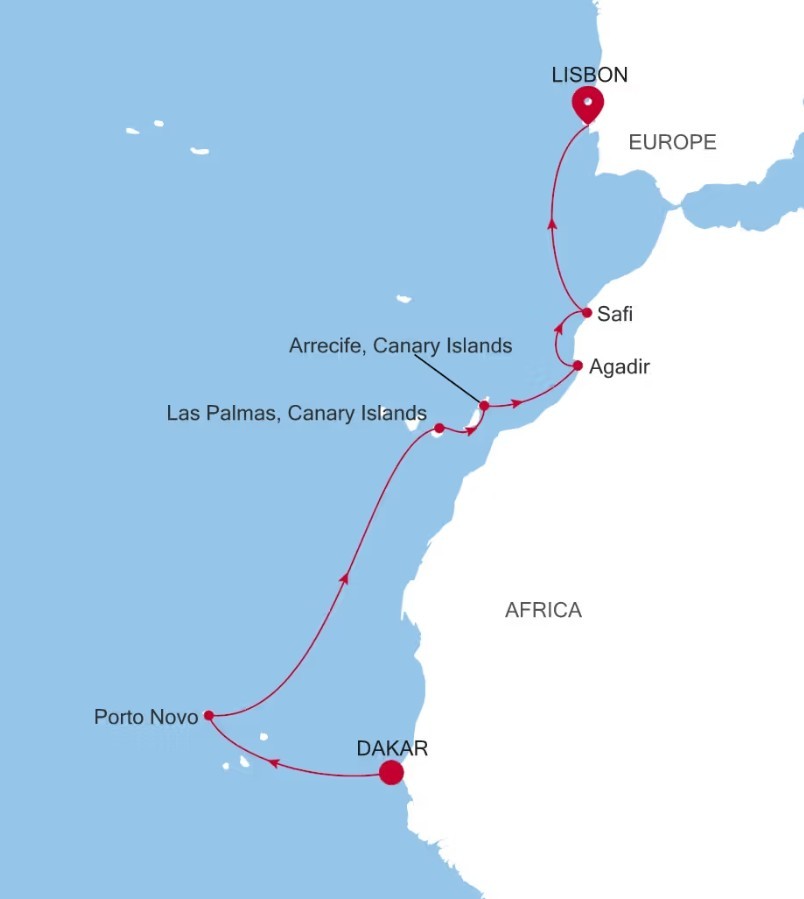
A continent-spanning voyage through the characterful archipelagos of the Atlantic. From West Africa’s shores, visit Fogo’s active volcano and Porto Novo’s Afro-Brazilian culture in Cape Verde. Continue to the Canaries for La Gomera and La Palma’s volcanic scenery and black-sand beaches, then to Portugal’s lush garden isles — Madeira and the little-known gem, Porto Santo. Discover Morocco’s colonial forts and ceramic souqs before concluding with Lisbon’s steep streets.

  • Cape Verde’s volcanic chain, from Fogo’s active caldera to Porto Novo’s Afro-Brazilian coastal culture.
  • Canary Islands’ contrasting terrain, including La Gomera’s ravines and La Palma’s black-sand shores.
  • Portugal and Morocco in sequence: Madeira’s garden landscapes, Porto Santo’s quiet dunes, and Morocco’s fort towns and souqs.

Availability is always subject to confirmation. Please check with us before booking flights

17 April, 2027 to 01 May, 2027 on Silver Endeavour
Prices

Prices quoted here are often dependent on currency fluctuations. Please check with (01432 507450 or info@small-cruise-ships.com) for the very latest price, which may well be cheaper than the one advertised here.
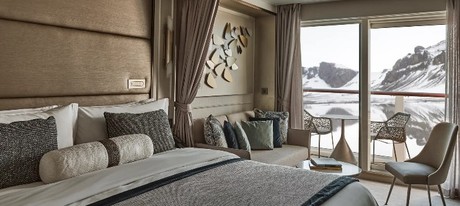
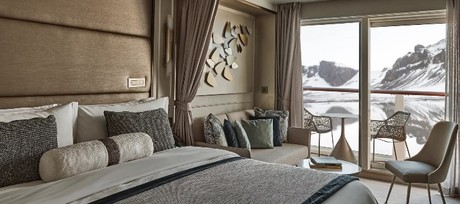
Classic Veranda
£12089 GBP pp
Classic Veranda
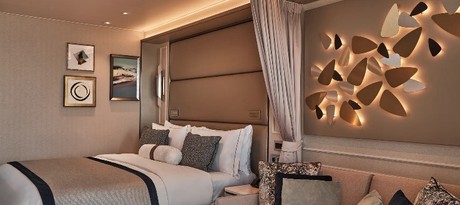
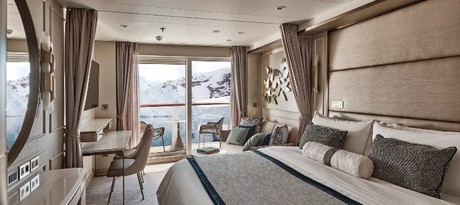
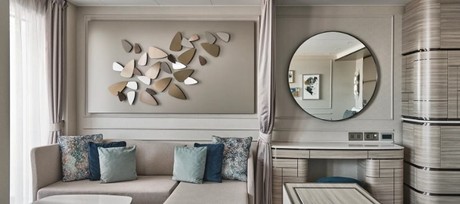
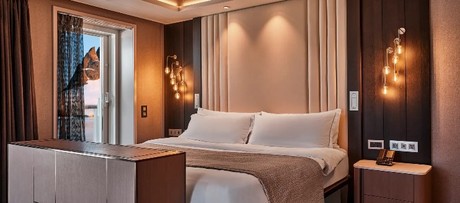
Located lower bow, the Classic Veranda Suite offers all the comfort and attention to detail that you can expect aboard — both inside and out. A generous expanse of interior comforts — elegant décor, stunning marble bathroom and ample seating area (with sofa bed that is able to accommodate a third berth), offers everything you need for a comfortable cruise. But perhaps this suite’s finest asset lies just outside, as floor-to-ceiling glass doors open onto a private veranda, making every sunset feel as if it is yours alone. One bedroom: 33.1 sq.m. including veranda Wheelchair accessible suite has a bathroom with vanity and shower. Please note that the 3rd guest will sleep on a comfortable sofa bed in the reception area of the suite.
Superior Veranda
£12395 GBP pp
Superior Veranda
The Superior Veranda Suite is found on the upper decks. From the sumptuous views from the teak veranda to the spacious sitting room (with sofa bed able to accommodate a third berth) and large marble bathroom, everything about the Superior Veranda has been designed for your comfort. A comfortable living space, attention to detail and a generous expanse of amenities makes this stunning suite a cosy home while on the seas. One bedroom: 33.1 sq.m. including veranda Wheelchair accessible suite has a bathroom with vanity and shower. Please note that the 3rd guest will sleep on a comfortable sofa bed in the reception area of the suite.
Deluxe Veranda
£12699 GBP pp
Deluxe Veranda
Deluxe Veranda Suites keep the iconic suite configuration - one of the most successful in the industry - while enhancing your creature comforts and destination immersion. Located on the privileged upper mid levels, Deluxe Veranda Suites have spacious interiors with a bedroom area that includes a large writing desk and comfortable living room with a convertible sofa (able to accommodate a third berth). Even better, the balcony is larger and more beautiful than ever, offering ample space to relax and enjoy sweeping views, wherever you are. One bedroom: 33.1 sq.m. including veranda Wheelchair accessible suite has a bathroom with vanity and shower. Please note that the 3rd guest will sleep on a comfortable sofa bed in the reception area of the suite.
Premium Veranda
£15045 GBP pp
Premium Veranda
Our best-selling Premium Veranda Suite is more beautiful and luxurious than ever on board Silver Endeavour. This suite offers a large bedroom space with dreamy bedding, a stunning marbled bathroom with a large vanity and sumptuous walk-in shower. Comfortable furnishings and elegant decor make staying in (almost) as good as going out! Spacious and well-situated, enjoy ultra-luxury amenities from the 24-hour butler service to the well-stocked mini-bar (and yes, they’re all included!). The sofa-bed can easily accommodate a third guest. One bedroom: 33.1 sq.m. including veranda Wheelchair accessible suite has a bathroom with vanity and shower. Please note that the 3rd guest will sleep on a comfortable sofa bed in the reception area of the suite.
Silver
£19535 GBP pp
Silver
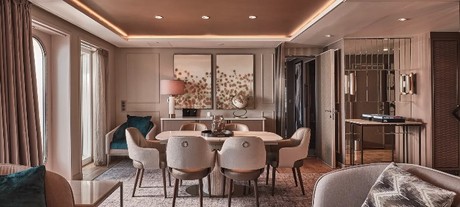
No Silversea ship would be complete without our guests’ favourite Silver Suite. Located on deck eight, the Silver Suite promises stunning views of the destination thanks to its floor-to-ceiling window and large balcony. The spacious living area allows for comfortable relaxing while the dining area makes cosy nights in veritable experiences in themselves. Additionally, Silver Suites feature generous walk-in wardrobes as well as a bathroom with a large walk-in shower, vanity and separate lavatory. One bedroom: 49.7 sq.m. including veranda Please note that the 3rd guest will sleep on a comfortable sofa bed in the reception area of the suite.
Grand 1 Bedroom
£35705 GBP pp
Grand 1 Bedroom
The Grand Suite is one of the most luxurious and spacious suites on board Silver Endeavour. It guarantees sweeping views of your destination thanks to its large balcony. A spacious interior includes a large living room, separate dining area and large bedroom with a big walk-in wardrobe. A luxurious bathroom with double vanity, whirlpool bath and walk-in shower completes. In addition, the Grand Suite also includes a small, second bedroom able to accommodate a third berth. One bedroom: 155 sq.m. including veranda Two bedroom: 188.1 sq.m. including veranda Third guest can be accommodated in an additional single bed bedroom.
Owner 1 Bedroom
£39015 GBP pp
Owner 1 Bedroom
Supremely spacious and superbly located, the Owner’s Suite is the most luxurious suite on board. Located in the premium bow position on deck seven, the Owner’s Suite offers amazing destination immersion, thanks its enormous surrounding balcony and incredible views from all indoor areas. The large living room, separate dining area and well-stocked bar are perfect for sharing a moment with like-minded travellers, while the luxurious and well-appointed bedrooms ensure supreme comfort any time of the day or night. One bedroom: 173.5 sq.m. including veranda Main bedroom has a large walk-in wardrobe with personal safe and a bathroom with double vanity, walk-in shower and whirlpool bath. Second bedroom has a separate wardrobe and a bathroom with walk-in shower.
show reverse itinerary
Day 1 - Dakar

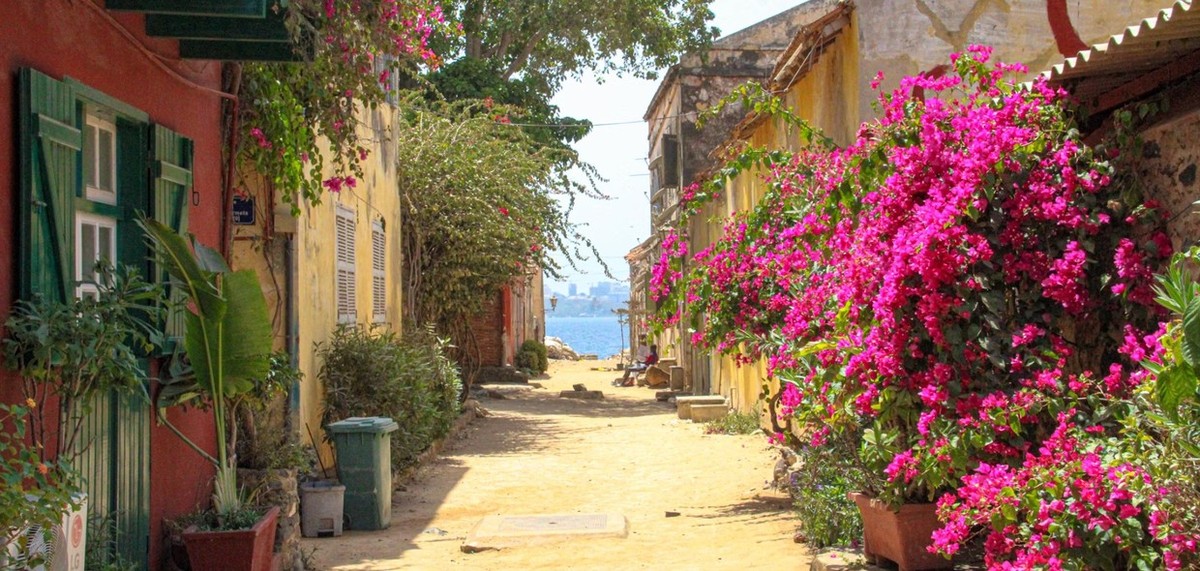
Capital of Senegal, and a major gateway to Western Africa, the former colonial trading post of Dakar stamps the Cap-Vert peninsular with glorious surf-fringed beaches. Enjoy the thrum of markets - where colorful textiles are exchanged - and wander streets where jazz, sambar, and mbalax spill from every ajar door. Offering tropical island-style beaches in an incongruous urban setting, Dakar is a wild and urgent experience for the senses. Watch on as surfers revel in consistent rollers on this, the most westerly peninsula of continental Africa. Scuba divers can explore worlds below the surface in Dakar's diving areas, or you can head to sandy beaches like Plage des Mamelles' cove, which provide endless options for cooling off. Looking for a little more activity, loosen up and play on golf courses that unroll along the sun-kissed Senegalese coastline, or visit startling natural sites like the vivid pink water of the salty pink Lake Retba. Cultural relevance abounds in Dakar - those wanting to delve a little deeper into the dark history of Senegal should visit the House of Slaves on the UNESCO World Heritage Site listed Goree Island, or duck into the Theodore Monod Museum to pour over an incredible collection of masks, artifacts, and treasures. Sandaga Market is a full-on experience of choreographed chaos, sound, and flavors. Tear into fish fresh off the boat, and don't be afraid to get your hands a little greasy while handling Dibi - the national street food - soft mutton, simmered with onions and zesty orange spice.

Day 2 - Day at sea

Days at sea are the perfect opportunity to relax, unwind, and catch up with what you've been meaning to do. So whether that is going to the gym, visiting the spa, whale-watching, catching up on your reading, or simply topping up your tan, these blue sea days are the perfect balance to busy days spent exploring shoreside.

Day 3 - Fogo

Fogo and neighboring Ilha Brava are the southernmost islands of Cape Verde and at the western end of the Sotavento group. Unlike some of the other islands in the archipelago which were named after saints, Fogo’s name goes back to the volcanic activity of its dominant feature Pico do Fogo, at 2,829 meters the highest elevation of Cape Verde and also its largest volcano. The third Cape Verde island to be settled by Portuguese –there is no indication of human activity before the Portuguese voyages of exploration - the discovery of Fogo is celebrated with horse races and the “Festas do São Filipe” on May 1. Sao Filipe is Fogo’s largest city with 20,000 inhabitants and the fourth-largest of Cape Verde. Sao Filipe lies on the western flank of a giant volcano which in his 9 kilometer wide caldera has the Pico do Fogo, an active stratovolcano which last erupted in 2014-15 and still today emits sulphur vapor through its fumaroles.

Day 4 - Porto Novo

Porto Novo is found on Sao Antonio, the northwesternmost of the Cape Verde Islands, and is the island's largest town with approximately 17,400 inhabitants. Located on Sao Antonio's southeastern and arid side, Porto Novo began as a fishing village, and only in 2005 was it recognized as a city. Since the island has no airport and Porto Novo faces the town of Mindelo on the island of Sao Vicente, this harbor is the main link to the other islands in Cape Verde and the outside world. A monument above the port shows a woman waving goodbye to those emigrating from the Cape Verde Islands. Roads leading out of Porto Novo have to either go along the impressive northeast coast or cross the island's mountains through a rugged and even more spectacular landscape. The third highest peak of the Cape Verde islands at 1,979 meters is the Tope de Coroa to the west of Porto Novo.

Days 5 - 6 - Day at sea

Days at sea are the perfect opportunity to relax, unwind, and catch up with what you've been meaning to do. So whether that is going to the gym, visiting the spa, whale-watching, catching up on your reading, or simply topping up your tan, these blue sea days are the perfect balance to busy days spent exploring shoreside.

Day 7 - San Sebastian

Located on the southern shore of the Bay of Biscayne in the Basque country and very close to the French border, San Sebastian - or Donostia in Basque - was one of the two cultural capitals of Europe in 2016 despite its small size of approximately 186,000 inhabitants. Spreading out from circular La Concha Bay with its pristine white beach and along the river Urumea, San Sebastian has a special feel to it. The Basque like to compare it to a smaller Paris that attracted wealthy beachgoers during the Belle Époque. One of San Sebastian’s most impressive buildings is the town hall which was originally built as a casino in 1882. Several buildings dating back to the 19th century still remain and the Romantic Center shows a number of examples of the Parisian style architecture. On the other hand, La Parte Vieja, i.e. the Old Town, has the highest concentration of bars worldwide, and the local pintxos (the Basque name for tapas) are considered especially tasty. That should be no surprise, considering that nine restaurants in San Sebastian have a total of 16 Michelin stars – only Tokyo has more! Next to the Old Town, and jutting out into the Cantabrian Sea, is Mount Urgull with the remains of its fort and walls that surrounded the medieval town in the 12th century. Along the shore of Ondorreta Beach a group of steel sculptures known as “Peine del Viento” (Comb of the Wind) vie for San Sebastian’s most iconic image, although the International Film Festival will be better known to outsiders.

Day 8 - Santa Cruz de La Palma (Canary Islands)

Volcanoes dominate the island of La Palma. The island sits over a hot spot in the Earth's crust. Beginning on the seabed 4,000 meters below sea level, the volcanoes grew to emerge above the waves and through the clouds to form a mountainous island. The highest point is 2,423 meters (7,950 feet) above sea level. The peak flanks La Caldera de Taburiente, a giant collapsed volcanic crater with a canyon exiting it. The ridge extending south of the Caldera erupted as recently as 1971, when Teneguia volcano sent slow lava flows to the sea. Roads reach lookouts where further exploration on foot begins. The Spanish port town of Santa Cruz de la Palma began in 1493 and supported the sea route from Europe to the New World. In the 16th century, Santa Cruz was the third most important port in Europe, after Antwerp and Seville. But it attracted trouble. The pirate François Le Clerc, ransacked the town in 1553, leading to the construction of the forts Castillo de Santa Catalina and Castillo de la Virgen. History buffs should walk the cobbled town streets amongst colorful colonial buildings. Several vegetation zones are traversed if you travel up the mountains. Dry coastal scrub gives way to a woodland with large Canary Palms, a plant now grown worldwide. Higher slopes catch moisture from clouds, creating the lush laurel zone of semi-tropical forest. Next is a Canary Pine forest, and finally an alpine zone of shrubs. The highlight here is the tall pink flowering spikes of the La Palma Bugloss.

Day 9 - Funchal, Madeira

Bedecked with dramatic cliffs, fertile mountains, and sun-gorged beaches, Madeira is a lush, colorful island of plants, paradise, and Portuguese-flavored pleasures. Bathing in year-round sunshine, Funchal - the lowkey capital of Madeira - is perfect for slowing the pace, and toasting the thrilling scenery with a bottle of the island's famous wine. Narrow, cobblestone streets line the old town, where whitewashed buildings, iron-wrought balconies, and tiled patterns carry echoes of Lisbon. Rua de Santa Maria is the city's oldest street, and the doors have been vividly painted by local artists. Sit for a drink, to sample your choice of Madeira's renowned wines - Boal is the ideal option for those with a sweeter tooth. You'll also find Corpo Santo Chapel here, one of the few remaining buildings to have survived from the 15th century. Blossoming parks and gardens splash color around, and the sweet smell of pollen lingers in Parque de Santa Catarina. Look out over Funchal Harbor between the fountains and blooming flower beds, as ducks and swans enjoy leisurely days on the lake. Madeira Botanical Garden waits in the hills over the city, along with Palhero Garden - a sophisticated and elegantly landscaped English garden, 500 meters above sea level. For an even more dramatic view of this gorgeous setting, head up to Cap Girao - a rusty-red cliff with a cable car strung up to its sheer drop. The cliff falls away vertically to the vivid blue waters below. Or head down to the sea, to enjoy Funchal's gorgeous pebble beaches rustling, framed by colossal, craggy cliffs.

Day 10 - Porto Santo, Madeira

The small island of Porto Santo lies 21 miles northeast from Madeira, a two and a half hour trip by local ferry. As a result of this close proximity, Porto Santo’s history has been associated with that of its larger sister island since the 14th century, when both appear on a Genoese map. It was in the early 15th century that the Portuguese explorer, Joao Goncalves Zarco, landed on uninhabited Porto Santo after being blown off course while exploring the coast of Africa. He returned the following year on a voyage sponsored by Henry the Navigator; this time he spotted Madeira on the horizon. Compared to Madeira, Porto Santo still remains largely unspoiled, with beautiful sand beaches. Its climate is fairly predictable - dry and warm with few differences in temperature between the seasons, which allows swimming almost year-round. In addition to fine beaches, the island’s major claim to fame is based on the fact that Christopher Columbus lived here for some time and was married to the daughter of the local governor. In the small capital, Vila Baleira, the house of Columbus has been converted into a museum. Another attraction on Porto Santo is the Pico do Castelo. The fort, standing on the highest point of the island, was erected in the 16th century to ward off attacks by French and Algerian pirates. In recent years, thousands of trees have been planted in various parts of the island in an effort to stem the erosion of precious soil. Results so far offer pleasingly green patches in an otherwise dry and arid landscape. Remote Porto Santo still offers visitors an air of tranquility and a look at an unhurried way of life, where stress has not yet had its effect on the 5,000 or so islanders. On the other hand, one must also keep in mind that tourist facilities on Porto Santo are not of the same high standard as on the sister island, Madeira. Pier Information The ship is scheduled to dock at the port of Santo. The pier is about two miles from Vila Baleira, the island’s small capital. Taxis may be found in limited supply for the short ride to town or for a trip around the island. Rates should be agreed on before leaving the pier. Facilities at the port include telephone and fax services, a pharmacy and a rental car office. Shopping Local souvenirs include objects made from straw such as miniature windmills and dolls. They can be found in shops around Vila Baleira. Opening hours are generally from 9:00 a.m. to 1:00 p.m., opening again at 3:00 p.m. Most shops accept U.S. dollars. The local currency is the euro. Cuisine If you feel like having lunch ashore, seafood is your best choice, which you can find at either Mar e Sol or Por do Sol in Vila Baleira. Other Sites Of interest in town are several churches, the town hall square, a monument dedicated to Portuguese discoveries and the Museum “Casa Colombo.” Around the island you find ruins of 16th-century fortifications and a geological monument at Pico Ana Ferreira. Most of these sights are covered on the tour.

Day 11 - Day at sea

Days at sea are the perfect opportunity to relax, unwind, and catch up with what you've been meaning to do. So whether that is going to the gym, visiting the spa, whale-watching, catching up on your reading, or simply topping up your tan, these blue sea days are the perfect balance to busy days spent exploring shoreside.

Day 12 - Agadir

Boasting an impressive 300 days of sun per year, there is a reason why Agadir is Morocco's premier holiday resort. Nicknamed the "Miami of Morocco", the resort has sea and sand in abundance, along with a dreamy 10 km beach - perfect for travelers who want sheltered swimming or enjoy water-based fun in the sun. By contrast to the rest of the country, Agadir is thoroughly modern. An earthquake destroyed the city in 1960, killing 15,00 in 13 seconds and leaving another 35,000 homeless. In its place, and under the direction of Le Corbusier, a new city with a new direction was built. Instead of souks and medinas, think modern architecture, wide, tree-lined avenues, open squares, and pedestrian precincts. Low-rise hotels, boutiques, and apartment blocks line the splendid waterfront. While all the original landmarks were destroyed (many not once, but twice, in the 1960 earthquake but also in the 1755 Lisbon earthquake), Agadir strove to rebuild as much as it could. Thus the fabled 1540 Oufla Fort, originally built in the mid-16th century by Saadian Sultan Mohammed ech Cheikh was painstakingly recreated with as much authenticity as possible. The ancient kasbah sits at an amazing vantage point (Oufla being the Amazigh word for "above"). The inscription "God, King, Country" over the entrance in both Dutch and Arabic is one of the few original elements and dates back to the middle of the 18th century when the kasbah was initially restored. The Kasbah offers by far the best views of the city.

Day 13 - Safi

Lying in a natural harbor to the west of Morocco, Safi (formerly Asafi) carries the weight of legend. As one of the oldest cities in Morocco, it is thought to have been founded by Hanno the Navigator in the 5th or 6th century BC. The etymology of the city's name allegedly comes from a sailor who got lost and sighed as he passed Safi's coastline (Safi meaning "oh my regret"). However, there could be another, more literal translation. In Berber, the word Asafi means to spill or flood, undoubtedly referring to the rich sea that makes Safi one of the biggest and safest seaports in the country. The city has been - and still is - a major player in Morocco's trading industry. Its port has seen everything from gold in the 11th century to today's principal export, sardines. Portuguese rule in the 1500s saw the Castelo do Mar be built, an imposing fortress that still presides over the city today. Under Portuguese rule, other Europeans came and by the mid-16th century, Safi was Morocco's principal trading hub. This would all cease however under Sultan Mohammed ben Abdallah in the mid-18th century, who would order that all foreign trade must take place in his newly built city of Mogador (Essaouira). Famous for its pottery of all shapes and sizes, Safi is one destination where you will want to support the local economy. The potter's quarter, just out of the city walls, boasts the country's oldest kilns and is a mecca for all those who love both ceramics and tradition.

Day 14 - Day at sea

Days at sea are the perfect opportunity to relax, unwind, and catch up with what you've been meaning to do. So whether that is going to the gym, visiting the spa, whale-watching, catching up on your reading, or simply topping up your tan, these blue sea days are the perfect balance to busy days spent exploring shoreside.

Day 15 - Lisbon

A glorious mosaic of beauty, freedom, and authenticity, Portugal's capital is a stirring artwork of a city. Known for the seven hills it spreads across, and its stirring fado music, Lisbon is a pastel-colored blend of houses and beautiful tile artworks - and this creative city strikes a perfect harmony between natural and manmade beauty. Stroll along Alfama's steep, cobbled streets as you explore one of the city's oldest neighborhoods - where each house and door could be its own photograph. Look for the decorative tiles, with the distinctive blues and whites of Azulejo ceramics, and visit the dedicated museum to learn more. Afterward, wind up to São Jorge Castle, where views out across Lisbon's red rooftops unravel. Just one of many majestic viewpoints, you can also seek out Miradouro da Graça for perhaps Lisbon's finest panorama, with the copper-colored suspension bridge stretching over sparkling water beyond the sea of buildings. The elegant Tower of Belém rises in the Tagus estuary and is a historic defender of these shores. The grand, carved cloisters of Jerónimos Monastery spread out close by, and there's another UNESCO-recognized location close by at Sintra, where a colorful town is set amid thick gardens and towering mountains - capped by the royal Pena Palace. Later, relax and take a quick break to drink Ginjinha, a cherry liqueur made from chocolate cups instead of coffee. Lisboetas have a sweet tooth, and the famous Pastel de Nata's crumbling pastry and caramelized custard topping is the essential accompaniment to any coffee stop.

Please note:

Itineraries are subject to change. 

Silver Endeavour
Designed for polar exploration, Silver Endeavour breaks the ice of luxury expedition travel. Built to PC6 Polar Class specifications – one of the highest Polar Class classifications there is &…

Silver Endeavour

Built 2021
Capacity 200 passengers
Wheelchairs Accessible suites available
Length 164.40 metres

Designed for polar exploration, Silver Endeavour breaks the ice of luxury expedition travel.

Built to PC6 Polar Class specifications – one of the highest Polar Class classifications there is – Silver Endeavour revolutionises our expedition voyages, and allows travel deeper to some of the planet’s farthest flung coasts. Her statistics speak for themselves: from unrivalled, industry-leading crew-to-guest, zodiac-to-guest and expert-to-guest ratios, to cutting-edge navigation and exploration technology and hallmark Silversea comfort make her the most luxurious expedition ship ever built.

Spread over eight public decks, not only does she feature ample onboard space, multiple restaurants, plus a huge choice of bars and lounges, but her large and luxurious suites are some of the best in expedition cruising. Superbly designed, all her suites feature a balcony and our highest standards of service thanks to an impressive crew-to-guest ratio of 1:1.

Mud Room

Silver Endeavour’s Mud Room is the perfect place to prepare for all your expedition activities. Spaciously designed, the two mud rooms are superbly modern, and equipped with state-of-the-art equipment.

Explorer Lounge

Strategically located mid-ship on deck 4, the Explorer Lounge is the operational heart of shore excursions while onboard. This is where you’ll attend your daily recap and briefing sessions or attend lectures.

Connoisseur’s Corner

The Connoisseur’s Corner is an indulgent and sophisticated cigar lounge, where you can enjoy an after dinner drink in a cosy private club atmosphere.

Otium Spa

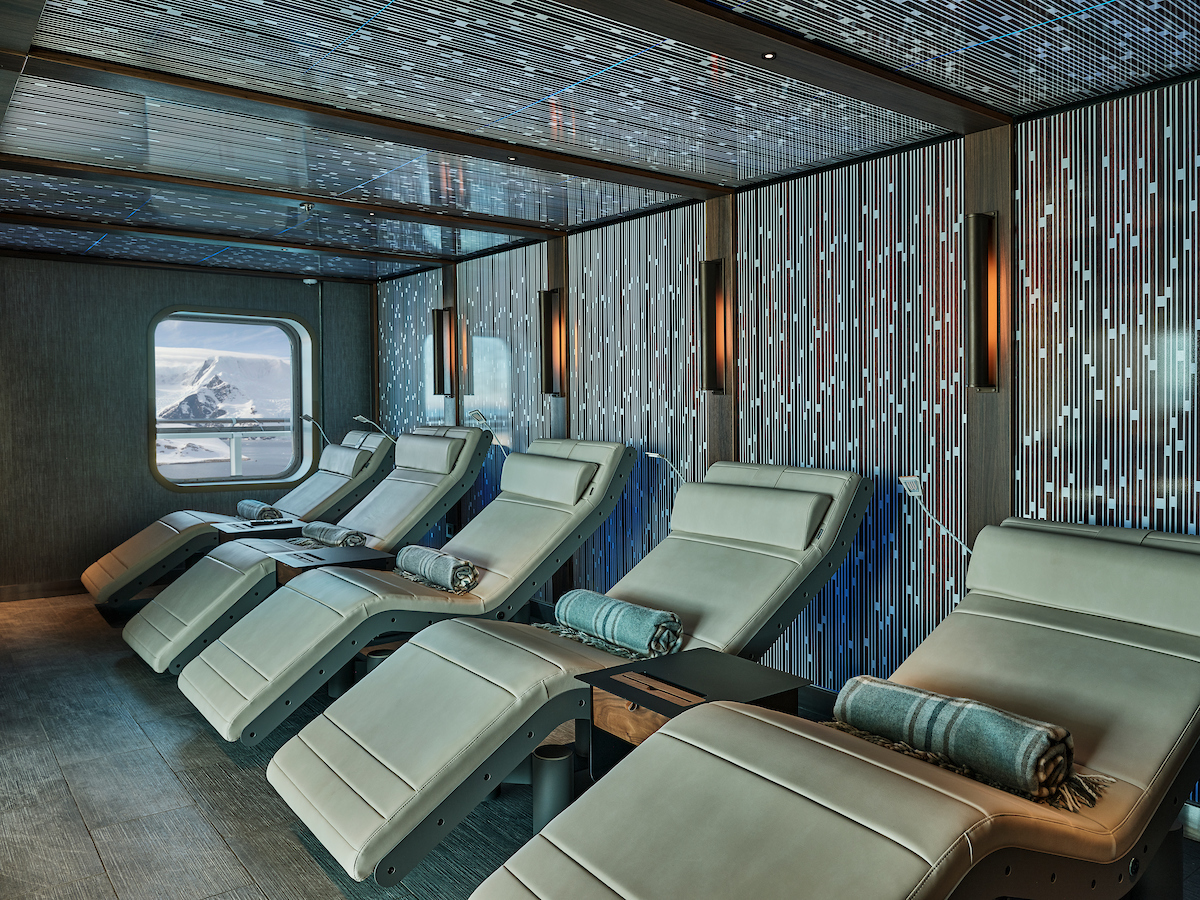
Otium is where you can relax and unwind, but also where you can enjoy world class treatments that make sure you look as good as you feel and that even Venus herself would envy.

Observation Lounge

The Observation Lounge offers one of our favourite vantage points of Silver Endeavour. Plus 270-degree surrounding glass windows make this immersive venue ideal whatever time of the day.

Beauty Salon

Our committed and competent team of beauty therapists is here to help keep your hair, nails, skin, and body healthy and happy.

Fitness Centre

Whether you are a serious keep fit fanatic or casual athlete, you’ll find what you’re looking for in Silver Endeavour’s Fitness Centre. Expertly designed classes and personal training sessions make sure that you keep in shape.

Boutique

Located mid-ship on Deck 5, the Boutique aboard Silver Endeavour means luxury shopping experiences do not end just because you’re at sea! Carefully selected partners offer a wide selection of the latest fashions.

Pool Deck

Surrounded by glazing extended all the way to the top of the venue, the Pool Deck gives you the feeling of always being connected to the sea. The glass-enclosed pool deck is the ideal place to enjoy breathtaking views.

Library

Whether you’re an avid bibliophile or simply prefer a quiet place while at sea, it’s hard not to fall in love with Silver Endeavour’s onboard library, with its beautiful reference books, comfortable chairs and stunning scenery.

Deck plans are for illustrative purposes only – The actual ship and cabin layout may differ.

Cabin layout for Silver Endeavour
Overview
Highlights
Dates & Prices
Itinerary
Map
Ship

15 days from £12089 GBP pp

Trip Tags
Luxury
Find your favorite region