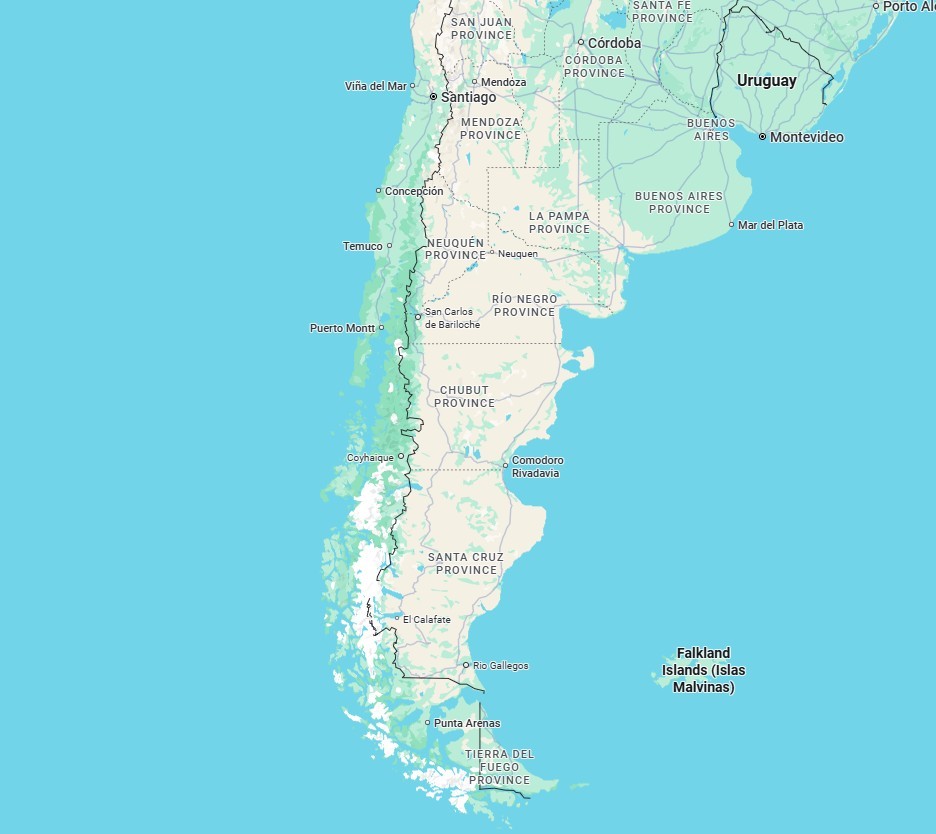
At the world’s edge, where Tierra del Fuego fractures into the Southern Ocean, Chile’s fjords and glaciers beckon. From Puerto Williams and Ushuaia, continue to Punta Arenas before venturing into waterways that carve deep into the Andes. Reach Aguila, El Brujo, and the mighty Pio XI, where calving ice shatters the stillness. Beyond Patagonia’s wilderness, explore Tortel’s creaking boardwalks, Puerto Montt’s Lake District setting, and Valparaíso’s colorful hillsides.
- Discover the stunning beauty of the Chilean fjords, with massive glaciers and towering peaks.
- Visit remote coastal villages like Tortel and Castro, where rich culture meets breathtaking nature.
- Experience incredible wildlife encounters, from playful dolphins to colonies of penguins and seals.
Availability is always subject to confirmation. Please check with us before booking flights
Prices quoted here are often dependent on currency fluctuations. Please check with (01432 507450 or info@small-cruise-ships.com) for the very latest price, which may well be cheaper than the one advertised here.
Pre Cruise Benefits - Hotel, Charter flights
Puerto Williams is a Chilean city located on Navarino Island on the southern shores of the Beagle Channel. It claims to be the “southernmost city in the world”, however owing to its small size – 2,500 residents approximately – the much larger Argentinean city of Ushuaia, which sits on the northern side of the same channel, also claims that title. The surrounding scenery is magnificent. The wild windswept mountains rise above the tree line and are regularly dusted with snow. The city itself has the dramatic backdrop called “Dientes de Navarino” (literally “teeth of Navarino”), which rivals the famous Torres del Paine further to the north. The area was originally used by the Yaghan people, hunter-gatherers who despite enduring the harsh regional climate, could not weather the arrival of Europeans. The current city was established as a naval base in 1953 and honors the British-Chilean naval commander John Williams Wilson of the 19th century. Initially it served to protect territorial possessions and fishing rights of the area, as well as offering logistical support to Antarctic bases. More recently it has become a departure point for scientific and tourism trips to the Antarctic region. In contrast to the bustle and traffic of a very commercial Ushuaia, Puerto Williams offers a quieter, more relaxed experience. It charms the visitor with a small village feel, complete with rustic buildings and the homely smell of drifting wood smoke. A haven of peace at the end of the world.
A southerly frontier - on the cusp of wild nature and extraordinary adventures - the excitement in Ushuaia is palpable. Prepare for memorable exploits amid the extremes of this southerly location - as you adventure into the colossal scenery of the fractured Tierra del Fuego and beyond. Known as the "End of the World" Ushuaia looks out across the Beagle Channel and is surrounded by the Martial Mountains to the north. Despite its remote location, Ushuaia is a surprisingly busy and lively resort, with lots to keep its visitors entertained. For many people, Ushuaia is their last glimpse of anything resembling a city, before they jump off the map into the wilderness, to answer the call of immense national parks or Antarctic expeditions. One of the most dramatic landscapes on the planet - Argentina's land of fire, National Park Tierra del Fuego, is a place of titanic natural forces and limitless beauty. Snow-covered mountains poke the sky, while glaciers spill down between peaks, and gaping fjords open up. With incredible wildlife - from penguins to whales - the park offers some of South America's most amazing hiking opportunities and panoramas. When it comes to food in Ushuaia, locals cook up fierce flavors using the freshest ingredients. King crab is one of the most popular dishes, while sea bass - hauled freshly from the waters - and mounds of meaty mussels - known as cholgas - are also on the menu here.
Welcome to Chile's City at the End of The World - a wind-whipped, fractured land of islands, glacial fjords, and mountains, which drop away towards Antarctica. A hardy city, where the temperature hovers in single figures throughout much of the year, Punta Arenas nevertheless offers a warm welcome and refuge, ahead of - and following - epic adventures and expeditions south across the Drake Passage. Captain Scott stopped here in 1904 - testing the postal service by sending 400 letters of his successful return - and the city welcomed the rescued Ernest Shackleton and his Endurance crew to these shores in 1916. Punta Arenas is a remote place, but with custom-free status, and more than 120,000 people calling it home it's also surprisingly cosmopolitan. The commercial center of Magallanes Punta Arenas is fueled by Chilean oil and gas - and establishing itself as a global center for Antarctic research, with teams from various countries basing themselves here. The town is built around the Plaza de Armas, its central square - be sure to kiss the toe of the Monumento del Indio Patagon statue, said to guarantee you good luck on your return. Look down across this colorful city, stretching out to meet the waters of the Straits of Magellan, from the viewpoint at Cerro De La Cruz. Natural wonders abound in the region, whether it's Alberto de Agostini National Park's glacial sculptures, or Torres del Paine National Park's soaring mountains, rushing waterfalls, and picturesque lakes. Offshore, in the Strait of Magellan, you can find the birdlife sanctuary of Magdalena Island - an uninhabited island, where hundreds of thousands of penguins march and crowds of cormorants and gulls call out.
Winding through the vast expanses of the Chilean Fjords will reveal mountains looming on both sides, waterfalls, and the marvel of hardy flora clinging to barren rocks. Seals and dolphins patrol the length of these uninhabited fjords as they have done for millennia. Small fishing-boats come out of Punta Arenas luring fish and trapping for king crab, while terns dip and glide coaxing their own small fish out of the deep, dark fjord waters amongst tiny islands thick with vegetation.
Within Bernardo O’Higgins National Park the Pio XI Glacier (also known as Brüggen Glacier after the German geologist Johannes Brüggen) is found at the terminus of the 23 nautical miles long Eyre Fjord, one of the fjords coming from the northeast and the Southern Patagonian Ice Field. The fjord and its shores were formerly used by the nomadic Kaweskar to hunt, while the glacier was one of their sacred sites. Pio XI Glacier is the largest western outflow of the Southern Patagonian Ice Field and is South America’s longest glacier and the largest in the Southern Hemisphere outside of Antarctica. One of the few advancing glaciers, its front has a width of 4.5 kilometers, a height of approximately 80 meters and shows several central moraines, indicating that Greve Glacier and Occidental Glacier to the north once joined the glacial tongue. Approaching the glacier by ship and by Zodiac safe distances will be maintained, as the glacier shows extensive mudflats on its southeastern side leading to Exmouth Fjord and calvings can always occur. The rocky shore shows signs of Nothofagus trees and the temperate Magellanic rain forest where the extremely rare and endangered South Andean deer, locally known as the huemul, has been sighted. Chilean and Peale’s dolphins and the endangered southern river otters have been recorded, and South American sea lions can be seen. Among the birds expected are Imperial Shags, South American Terns, Brown-hooded Gulls, Kelp Gulls, Kelp Geese, and Fuegian Steamer Ducks.
English Narrows refers to a narrow passage at the southern end of the Messier Channel in Chile’s Region XI, Aysen del General Carlos Ibanez del Campos. The region is Chile’s least populated and a few kilometers south of English Narrows is Puerto Eden, the only settlement along the entire Chilean Inside Passage. With Wellington Island to the west and surrounded by Chile’s largest national park, Bernardo O’Higgins National Park, the narrow passage is at times 180 meters wide, while the entire length is given as 18 kilometers. Low-lying islands and steep mountains are seen on both sides and the Magellanic subpolar forest with its evergreen trees of the genus Nothofagus has taken hold where possible. The strong currents require to pass English Narrows at slack tide and although most of the Messier Channel leading to English Narrows is quite deep, a shipwreck sitting on a bank some 20 kilometers north of the entrance to English Narrows shows why pilots are required by law in Chile.
Tortel is a commune located in Southern Patagonia, a spectacular wilderness region of rugged mountains, glaciers, rivers, and forests of infinite beauty. The uneven geography of Tortel shapes a unique landscape, characterized by an archipelagic area with numerous islands and channels. Tortel is known as the “footbridge city” for the unique beauty of its wooden walkways that connect the piers and houses of this quaint place through bridges and stairs, built from cypress wood, that run for four and a half miles around the cove and that respect the rich vegetation that grows under them. Even though it is the sixth largest commune in Chile, it has the lowest population of all with roughly 531 people. The history of the town dates back to 1520 when it was inhabited by nomadic Kawesqar, now extinct. Its definitive foundation was in 1955, after numerous attempts to populate the area. In 2001, it was declared by the Chilean government as a Picturesque Zone of National Heritage.
Winding through the vast expanses of the Chilean Fjords will reveal mountains looming on both sides, waterfalls, and the marvel of hardy flora clinging to barren rocks. Seals and dolphins patrol the length of these uninhabited fjords as they have done for millennia. Small fishing-boats come out of Punta Arenas luring fish and trapping for king crab, while terns dip and glide coaxing their own small fish out of the deep, dark fjord waters amongst tiny islands thick with vegetation.
Seek out the peaceful isolation of Puerto Cisnes, surrounded by the vast drama of Chile's national parks and snow-capped mountain peaks. Puerto Cisnes sits on the eastern shore of the Puyuhuapi fjord, just across from the beautiful National Park Isla Magdalena. Explore the park, which is dominated by Mont Melimoyu, a dormant volcano, defined by a striking caldera that is perpetually capped with ice. Meet the rangers and hike through the beautiful reserve of protected ecosystems and landscapes, discovering rich wildlife such as penguins, cormorants, sea lions, and southern river otters. Named after the black necked swans of the region, Puerto Cisnes is part of the Aysén Province of spectacular Chilean Patagonia. A relatively new town of just 3,000 residents, it was incorporated in 1965, and is the largest in a region that is dotted only with isolated and peaceful fishing communities where the traditions of Patagonian Andes life endure. Puerto Cisnes celebrates its heritage with a mouthwatering fried fish festival. Visitors to the town can also pick up local crafts like unique wallets, purses and handbags, carefully created from the local speciality of dried fish leather. The thrilling beauty of Queulat National Park is also close by, with sharp mountain landscapes, suspended ice fields, waterfalls, and extraordinary wildlife, including pumas, Andean foxes, and black woodpeckers. Birdwatching hikes can reveal Magellanic woodpeckers, Chiloe wigeons, and ringed kingfishers.
For most of its history, windy Puerto Montt was the end of the line for just about everyone traveling in the Lake District. Now the Carretera Austral carries on southward, but for all intents and purposes Puerto Montt remains the region's last significant outpost, a provincial city that is the hub of local fishing, textile, and tourist activity. Today the city center is full of malls, condos, and office towers - it's the fastest-growing city in Chile - but away from downtown, Puerto Montt consists mainly of low clapboard houses perched above its bay, the Reloncaví. If it's a sunny day, head east to Playa Pelluco or one of the city's other beaches. If you're more interested in exploring the countryside, drive along the shore for a good view of the surrounding hills.
Days at sea are the perfect opportunity to relax, unwind, and catch up with what you've been meaning to do. So whether that is going to the gym, visiting the spa, whale-watching, catching up on your reading, or simply topping up your tan, these blue sea days are the perfect balance to busy days spent exploring shoreside.
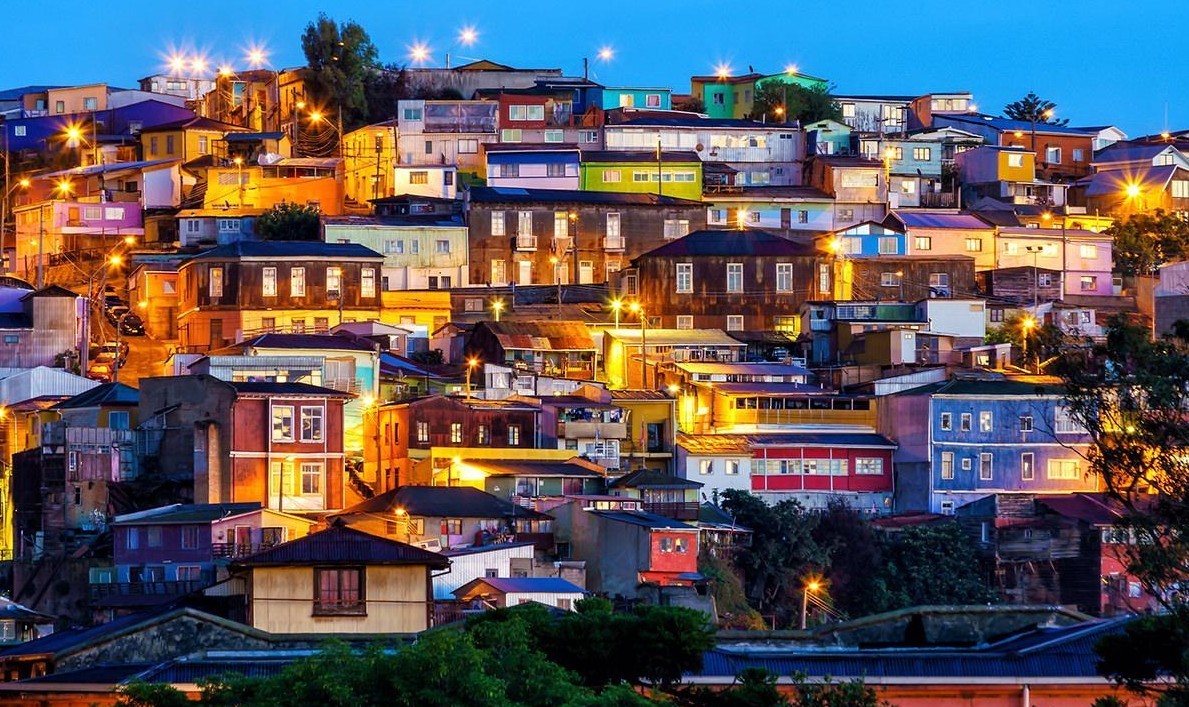
Since time immemorial Valparaiso has inspired writers, poets, musicians, and artists alike. If the city is still a little rough around the edges, this only adds to its bohemian ambience; the architecture, style, street art, nightlife, and live music scenes of Valparaiso are some of the best in the world. Add colorful clifftop homes to the mix and you'll soon see why Valpariaso is many people's favorite Chilean city. The city was founded in 1536 by Spanish conquistador Juan de Saavedra, who named the city after his birthplace. Many of the colonial buildings he implemented are still standing today, despite the rain, wind, fire, and several earthquakes (one of which almost leveled the city in 1906). Quirky architecture also abounds; poetry lovers and amateur architects will no doubt want to make the 45 km trip south to Chilean poet laureate (and Nobel Prize winner) Pablo Neruda’s ship-shaped house and museum for a taste of the extraordinary. The city and region are also extremely well known for their love of good food and wine. The vineyards of the nearby Casablanca Valley - first planted in the early 1980s - have earned worldwide recognition in a relatively short space of time. However, Chile’s viticulture history does date back much farther than that. De Saavedra brought grape vines on his voyage to South America in order to make his own wine and this led to a new grape brandy being created, Pisco. Today give any Chilean a Pisco and wherever they are in the world, they will be home.
Silver Cloud
| Refurbished: | 2017 |
|---|---|
| Crew | 212 |
| Tons | 17400 |
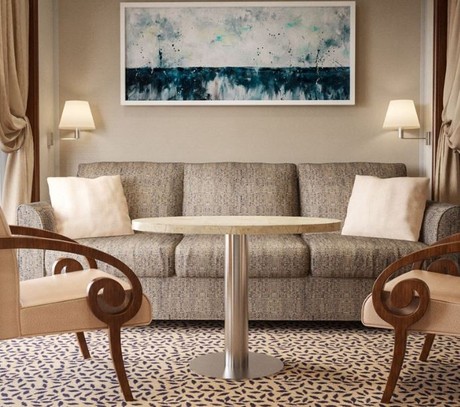
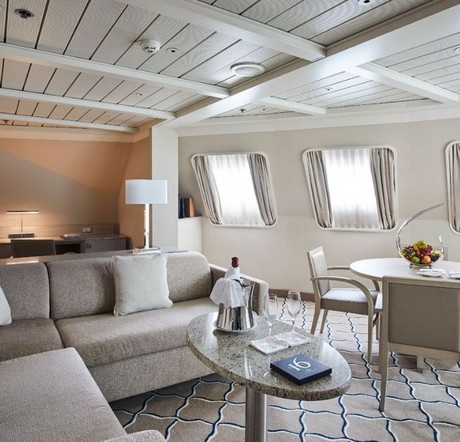
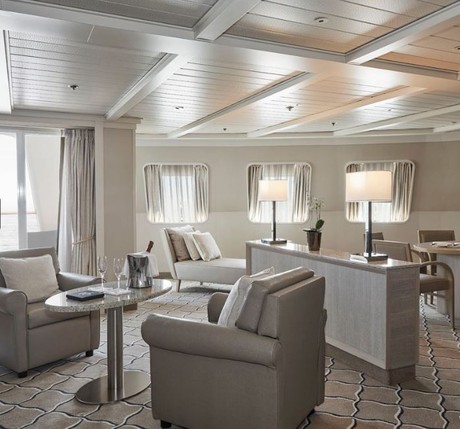
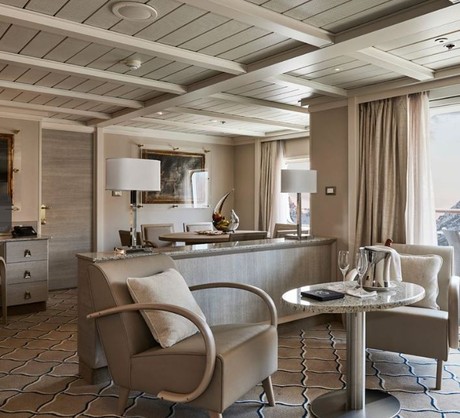
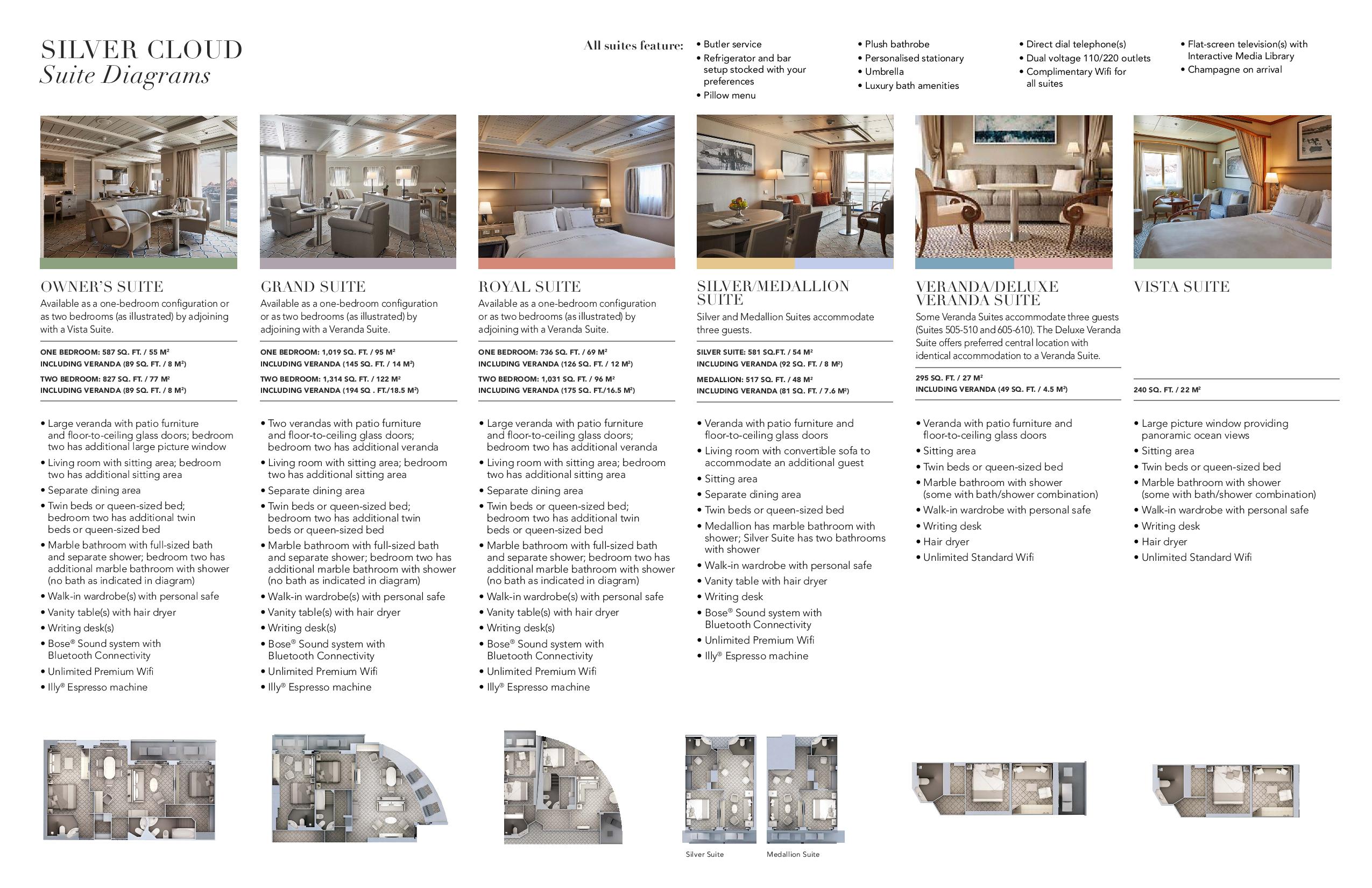
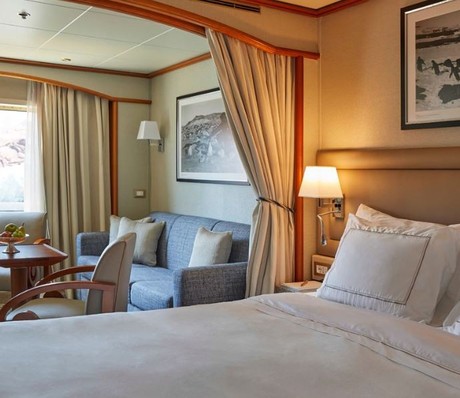
With 18-brand new Zodiacs, four superlative restaurants in Antarctica and a pole to pole expedition itinerary, Silver Cloud really does break the ice between expedition and luxury. Spacious yet intimate, designed to cross oceans and yet able to slip up rivers and into hidden harbours with ease, the yacht-like Silver Cloud carries just 296 guests in incomparable comfort and style. Combining spacious ocean-view suites and private verandas with stunning dining and entertainment options, Silver Cloud provides world-class cruise accommodations, service and amenities.
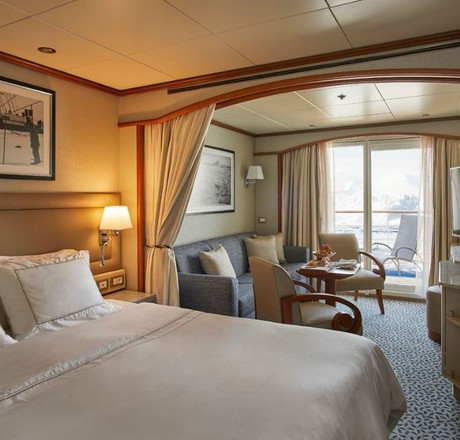
After extensive refurbishment, Silver Cloud is the most spacious and comfortable ice class vessel in expedition cruising. Her large suites, her destination itineraries and her unparalleled service make her truly special. Her four dining options will tantalise your taste buds and as 80% of her suites include a veranda, watching a breaching whale or a few cavorting penguins has never been so personal. She carries a limited number of guests in polar waters, meaning that Silver Cloud has the highest space to guest and crew to guest ratios in expedition cruising. With her 18 zodiacs, 10 kayaks, possibilities are almost limitless with ship-wide simultaneous explorations.
Deck plans are for illustrative purposes only – The actual ship and cabin layout may differ.
Silver Endeavour
| Built | 2021 |
|---|---|
| Capacity | 200 passengers |
| Wheelchairs | Accessible suites available |
| Length | 164.40 metres |
Designed for polar exploration, Silver Endeavour breaks the ice of luxury expedition travel.
Built to PC6 Polar Class specifications – one of the highest Polar Class classifications there is – Silver Endeavour revolutionises our expedition voyages, and allows travel deeper to some of the planet’s farthest flung coasts. Her statistics speak for themselves: from unrivalled, industry-leading crew-to-guest, zodiac-to-guest and expert-to-guest ratios, to cutting-edge navigation and exploration technology and hallmark Silversea comfort make her the most luxurious expedition ship ever built.
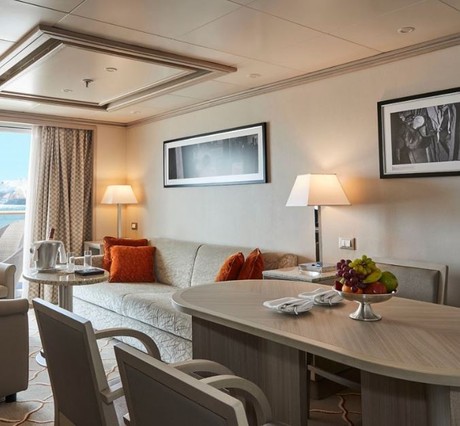
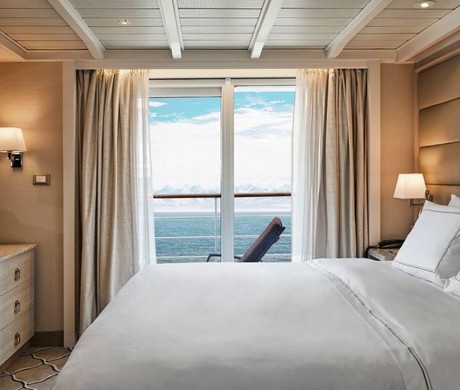
Spread over eight public decks, not only does she feature ample onboard space, multiple restaurants, plus a huge choice of bars and lounges, but her large and luxurious suites are some of the best in expedition cruising. Superbly designed, all her suites feature a balcony and our highest standards of service thanks to an impressive crew-to-guest ratio of 1:1.
Mud Room
Silver Endeavour’s Mud Room is the perfect place to prepare for all your expedition activities. Spaciously designed, the two mud rooms are superbly modern, and equipped with state-of-the-art equipment.
Explorer Lounge
Strategically located mid-ship on deck 4, the Explorer Lounge is the operational heart of shore excursions while onboard. This is where you’ll attend your daily recap and briefing sessions or attend lectures.
Connoisseur’s Corner
The Connoisseur’s Corner is an indulgent and sophisticated cigar lounge, where you can enjoy an after dinner drink in a cosy private club atmosphere.
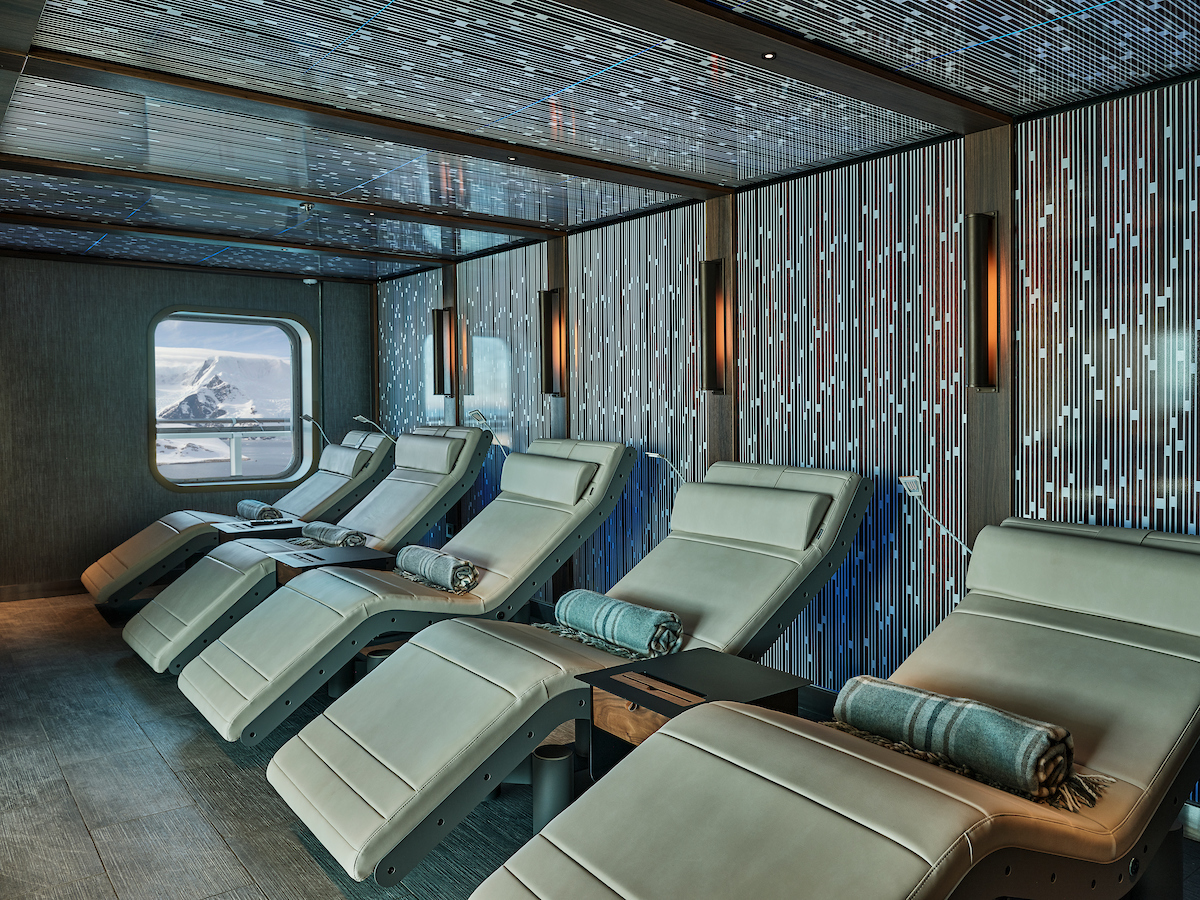
Otium Spa
Otium is where you can relax and unwind, but also where you can enjoy world class treatments that make sure you look as good as you feel and that even Venus herself would envy.
Observation Lounge
The Observation Lounge offers one of our favourite vantage points of Silver Endeavour. Plus 270-degree surrounding glass windows make this immersive venue ideal whatever time of the day.
Beauty Salon
Our committed and competent team of beauty therapists is here to help keep your hair, nails, skin, and body healthy and happy.
Fitness Centre
Whether you are a serious keep fit fanatic or casual athlete, you’ll find what you’re looking for in Silver Endeavour’s Fitness Centre. Expertly designed classes and personal training sessions make sure that you keep in shape.
Boutique
Located mid-ship on Deck 5, the Boutique aboard Silver Endeavour means luxury shopping experiences do not end just because you’re at sea! Carefully selected partners offer a wide selection of the latest fashions.
Pool Deck
Surrounded by glazing extended all the way to the top of the venue, the Pool Deck gives you the feeling of always being connected to the sea. The glass-enclosed pool deck is the ideal place to enjoy breathtaking views.
Library
Whether you’re an avid bibliophile or simply prefer a quiet place while at sea, it’s hard not to fall in love with Silver Endeavour’s onboard library, with its beautiful reference books, comfortable chairs and stunning scenery.
Deck plans are for illustrative purposes only – The actual ship and cabin layout may differ.