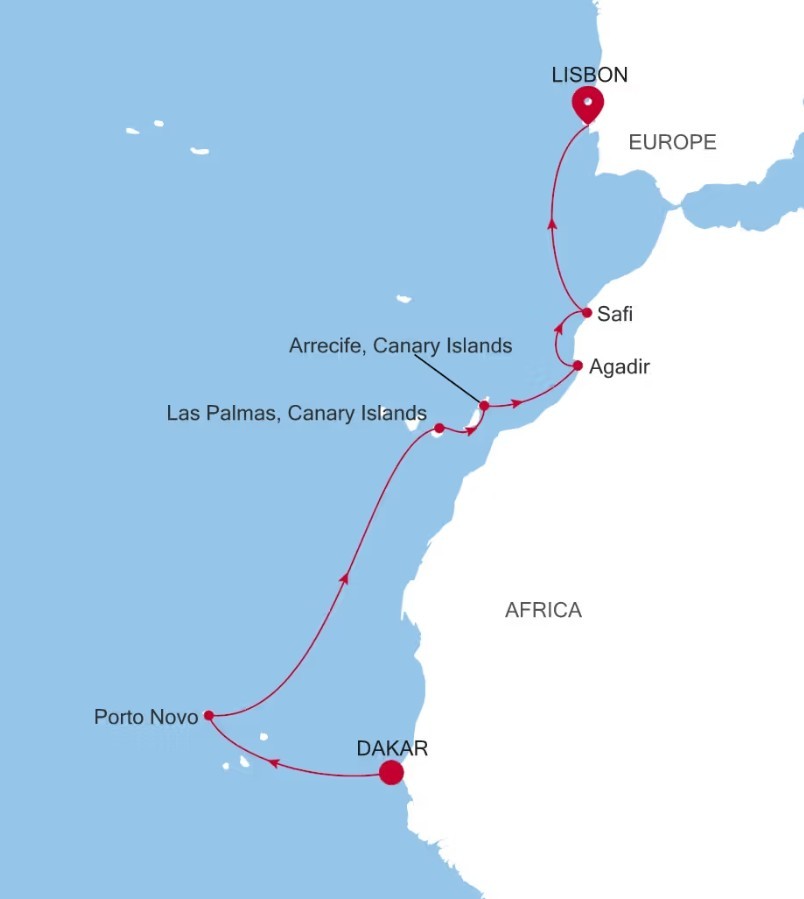
Journey from West Africa to Western Europe — discovering Portugal’s influence, Spain’s volcanic isles, and Morocco’s bustling souqs. From Dakar to Benin’s voodoo heritage, then across to the Canary Islands’ sunny plazas, golden sands, and lava beaches. Return to Africa’s shores at the foothills of the Atlas Mountains to witness Morocco’s medinas rising, calls to prayer echoing, and artisans crafting ceramics. Lisbon’s steep, soulful streets are a fitting finale.
- Contrasting cultures in one arc: West Africa’s rhythms, Cape Verde’s Atlantic blend, the Canary Islands’ volcanic landscapes, and Morocco’s medinas.
- Strong port-to-port narrative linking voodoo heritage, desert-meets-ocean cities, and Iberian history, ending in Lisbon’s Old World streets.
- Long sea days balanced with rich landings, from Saharan-edge markets to island hikes and coastal ceramics in Safi.
Availability is always subject to confirmation. Please check with us before booking flights
Prices quoted here are often dependent on currency fluctuations. Please check with (01432 507450 or info@small-cruise-ships.com) for the very latest price, which may well be cheaper than the one advertised here.
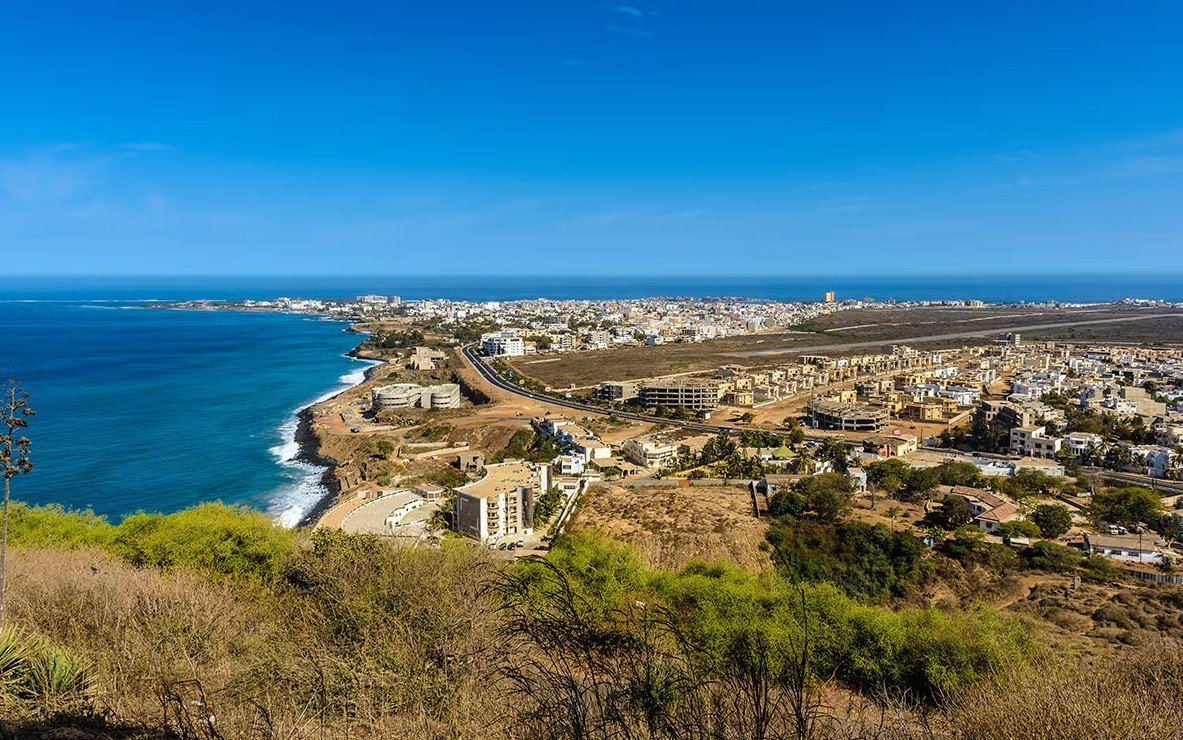
Capital of Senegal, and a major gateway to Western Africa, the former colonial trading post of Dakar stamps the Cap-Vert peninsular with glorious surf-fringed beaches. Enjoy the thrum of markets - where colorful textiles are exchanged - and wander streets where jazz, sambar, and mbalax spill from every ajar door. Offering tropical island-style beaches in an incongruous urban setting, Dakar is a wild and urgent experience for the senses. Watch on as surfers revel in consistent rollers on this, the most westerly peninsula of continental Africa. Scuba divers can explore worlds below the surface in Dakar's diving areas, or you can head to sandy beaches like Plage des Mamelles' cove, which provide endless options for cooling off. Looking for a little more activity, loosen up and play on golf courses that unroll along the sun-kissed Senegalese coastline, or visit startling natural sites like the vivid pink water of the salty pink Lake Retba. Cultural relevance abounds in Dakar - those wanting to delve a little deeper into the dark history of Senegal should visit the House of Slaves on the UNESCO World Heritage Site listed Goree Island, or duck into the Theodore Monod Museum to pour over an incredible collection of masks, artifacts, and treasures. Sandaga Market is a full-on experience of choreographed chaos, sound, and flavors. Tear into fish fresh off the boat, and don't be afraid to get your hands a little greasy while handling Dibi - the national street food - soft mutton, simmered with onions and zesty orange spice.
Days at sea are the perfect opportunity to relax, unwind, and catch up with what you've been meaning to do. So whether that is going to the gym, visiting the spa, whale-watching, catching up on your reading, or simply topping up your tan, these blue sea days are the perfect balance to busy days spent exploring shoreside.
Porto Novo is found on Sao Antonio, the northwesternmost of the Cape Verde Islands, and is the island's largest town with approximately 17,400 inhabitants. Located on Sao Antonio's southeastern and arid side, Porto Novo began as a fishing village, and only in 2005 was it recognized as a city. Since the island has no airport and Porto Novo faces the town of Mindelo on the island of Sao Vicente, this harbor is the main link to the other islands in Cape Verde and the outside world. A monument above the port shows a woman waving goodbye to those emigrating from the Cape Verde Islands. Roads leading out of Porto Novo have to either go along the impressive northeast coast or cross the island's mountains through a rugged and even more spectacular landscape. The third highest peak of the Cape Verde islands at 1,979 meters is the Tope de Coroa to the west of Porto Novo.
Days at sea are the perfect opportunity to relax, unwind, and catch up with what you've been meaning to do. So whether that is going to the gym, visiting the spa, whale-watching, catching up on your reading, or simply topping up your tan, these blue sea days are the perfect balance to busy days spent exploring shoreside.
Watch the stars glittering at night, climb jungled volcano calderas, and explore the historical allure of this entry point to the sun-gorged island of Gran Canaria. The sprawling capital of the Canaries is Spain's ninth-biggest city, stretched out along the sparkling coastline. Visitors and locals alike blow off steam on the city's urban beaches, before filling out bustling, authentic tapas bars. An offshore barrier of lava strips waves of their power, making Las Canteras's urban beach expanse one of the best and calmest in the Canaries. Strap on your snorkel to explore the seabed, which blooms with colorful fish and tropical reefs. Or, settle back to soak in the warm glow of one of the best climates in the world, while reclining on the soft sand, which arcs along the capital's fringe. At the other end of town, La Vegueta old town is a charming stroll along cobbled streets, wandering past decorative doorways and balconies that beg to be photographed. The narrow 15th-century streets take on an extra romantic air in the evenings, as lanterns cast a soft glow over them. Calle Colon offers a hint of the street's history - and it's here where the handsome colonial house - turned museum - of Christopher Columbus stands. Columbus stayed here to recuperate, between his boundary-redefining voyages. Out of Las Palmas, diverse and exciting volcanic landscapes await, including the spectacular Caldera de Bandama, which plunges 200 meters into the earth. From the summit, views stretch out to the looming island of Fuerteventura unravel. You can also discover pretty white-wash fishing villages, dazzling gardens, and the sun-bathed vineyards that produce Gran Canaria's crispest wines.
Nestled on the east coast of Lanzarote, Arrecife takes its name from the rocky reefs and outcrops that dominate its coastline. This pretty working city has a friendly, authentic feel, and has managed to remain true to its roots as a historic fishing village. There's a lot to explore, and whether you want to lie back on long swathes of opulent golden sand, or strap on hiking boots to crunch across Lanzarote's scorched volcanic scenery, this versatile capital has so much to offer. With castles, caves, sleepy beaches, and a glittering saltwater lagoon, Arrecife is the perfect place to get acquainted with the sun-kissed appeal of the Canary Islands. Lanzarote's charcoal desert vistas radiate a remarkable luna-like quality, but dotted cacti, waving palms, and bursts of vibrant wildflowers add an accent of color to the canvas. Arrecife itself boasts apricot-colored beaches and labyrinthine lanes of white-wash buildings within its Old Quarter, where you can smell fresh fish grilling, and see locals dipping delicious local salty potatoes - papas arrugadas - into colorful sauces. An evening stroll along El Charco de san Gines is a must for watching fishing boats bobbing gently on the lagoon, and watching spectacular sunsets burning across the sky. Standing tall for more than four centuries, Castillo De San Gabriel is located on the tiny island of Islote de los Ingleses, and was once a target for pirates, who would appear menacingly on the Atlantic's horizon. The stalwart 16th-century fortress now serves as the History Museum of Arrecife, and exhibitions inside explore the evolution of the city, and the ancient culture of Lanzarote. The International Museum of Contemporary Art, meanwhile, displays modern and abstract works within the 18th-century San Jose Castle's refined setting. See works from Cesar Manrique - the prominent artist and architect whose slick sixties style flair can be admired across the island.
Boasting an impressive 300 days of sun per year, there is a reason why Agadir is Morocco's premier holiday resort. Nicknamed the "Miami of Morocco", the resort has sea and sand in abundance, along with a dreamy 10 km beach - perfect for travelers who want sheltered swimming or enjoy water-based fun in the sun. By contrast to the rest of the country, Agadir is thoroughly modern. An earthquake destroyed the city in 1960, killing 15,00 in 13 seconds and leaving another 35,000 homeless. In its place, and under the direction of Le Corbusier, a new city with a new direction was built. Instead of souks and medinas, think modern architecture, wide, tree-lined avenues, open squares, and pedestrian precincts. Low-rise hotels, boutiques, and apartment blocks line the splendid waterfront. While all the original landmarks were destroyed (many not once, but twice, in the 1960 earthquake but also in the 1755 Lisbon earthquake), Agadir strove to rebuild as much as it could. Thus the fabled 1540 Oufla Fort, originally built in the mid-16th century by Saadian Sultan Mohammed ech Cheikh was painstakingly recreated with as much authenticity as possible. The ancient kasbah sits at an amazing vantage point (Oufla being the Amazigh word for "above"). The inscription "God, King, Country" over the entrance in both Dutch and Arabic is one of the few original elements and dates back to the middle of the 18th century when the kasbah was initially restored. The Kasbah offers by far the best views of the city.
Lying in a natural harbor to the west of Morocco, Safi (formerly Asafi) carries the weight of legend. As one of the oldest cities in Morocco, it is thought to have been founded by Hanno the Navigator in the 5th or 6th century BC. The etymology of the city's name allegedly comes from a sailor who got lost and sighed as he passed Safi's coastline (Safi meaning "oh my regret"). However, there could be another, more literal translation. In Berber, the word Asafi means to spill or flood, undoubtedly referring to the rich sea that makes Safi one of the biggest and safest seaports in the country. The city has been - and still is - a major player in Morocco's trading industry. Its port has seen everything from gold in the 11th century to today's principal export, sardines. Portuguese rule in the 1500s saw the Castelo do Mar be built, an imposing fortress that still presides over the city today. Under Portuguese rule, other Europeans came and by the mid-16th century, Safi was Morocco's principal trading hub. This would all cease however under Sultan Mohammed ben Abdallah in the mid-18th century, who would order that all foreign trade must take place in his newly built city of Mogador (Essaouira). Famous for its pottery of all shapes and sizes, Safi is one destination where you will want to support the local economy. The potter's quarter, just out of the city walls, boasts the country's oldest kilns and is a mecca for all those who love both ceramics and tradition.
Days at sea are the perfect opportunity to relax, unwind, and catch up with what you've been meaning to do. So whether that is going to the gym, visiting the spa, whale-watching, catching up on your reading, or simply topping up your tan, these blue sea days are the perfect balance to busy days spent exploring shoreside.
A glorious mosaic of beauty, freedom, and authenticity, Portugal's capital is a stirring artwork of a city. Known for the seven hills it spreads across, and its stirring fado music, Lisbon is a pastel-colored blend of houses and beautiful tile artworks - and this creative city strikes a perfect harmony between natural and manmade beauty. Stroll along Alfama's steep, cobbled streets as you explore one of the city's oldest neighborhoods - where each house and door could be its own photograph. Look for the decorative tiles, with the distinctive blues and whites of Azulejo ceramics, and visit the dedicated museum to learn more. Afterward, wind up to São Jorge Castle, where views out across Lisbon's red rooftops unravel. Just one of many majestic viewpoints, you can also seek out Miradouro da Graça for perhaps Lisbon's finest panorama, with the copper-colored suspension bridge stretching over sparkling water beyond the sea of buildings. The elegant Tower of Belém rises in the Tagus estuary and is a historic defender of these shores. The grand, carved cloisters of Jerónimos Monastery spread out close by, and there's another UNESCO-recognized location close by at Sintra, where a colorful town is set amid thick gardens and towering mountains - capped by the royal Pena Palace. Later, relax and take a quick break to drink Ginjinha, a cherry liqueur made from chocolate cups instead of coffee. Lisboetas have a sweet tooth, and the famous Pastel de Nata's crumbling pastry and caramelized custard topping is the essential accompaniment to any coffee stop.
Itineraries are subject to change.
Silver Wind
| Maximum number of passengers | 296 |
|---|---|
| Crew: 222 | 222 |
| LENGTH: | 514.14 Feet / 156.7 Meters |
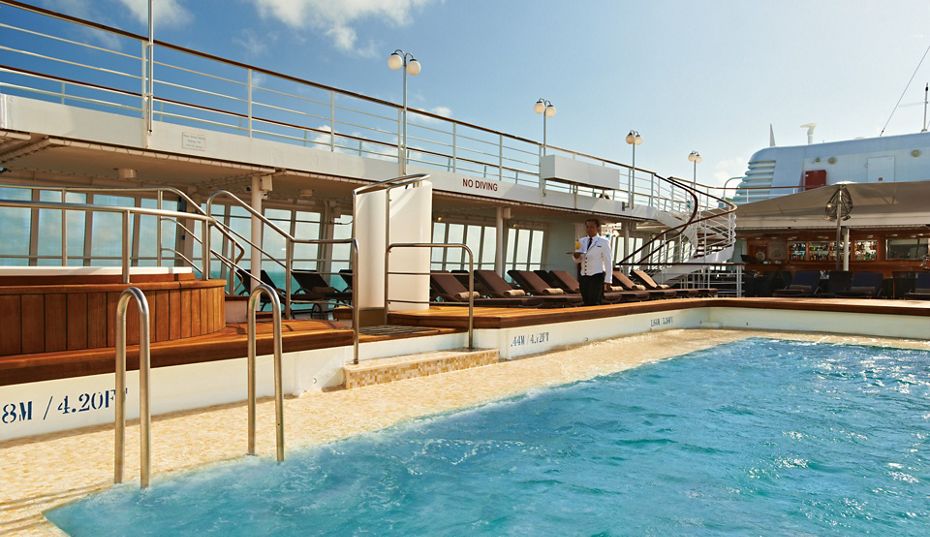
Al fresco dining with panoramic ocean views. Warm clubby spaces for evening cocktails with friends. The plush comfort of your ocean-view suite after a day of incredible sights. Welcome home to the luxury cruise ship, Silver Wind. Timelessly elegant yet luxuriously relaxed, Silver Wind strikes the perfect balance of yacht-like intimacy combined with the space, amenities and diversions typically reserved for larger vessels. Warm welcomes and gracious personalized service inspire our guests to call Silver Wind their “home away from home” - join us and discover the charms of Silver Wind.
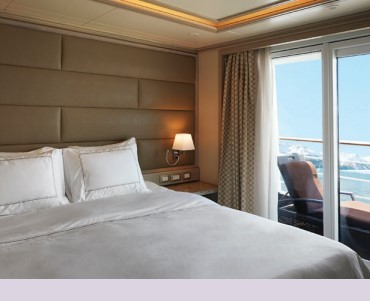
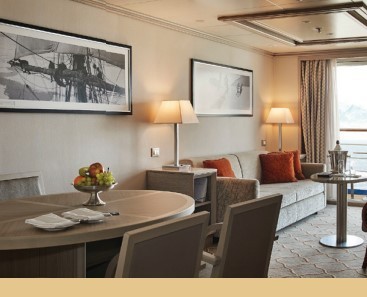
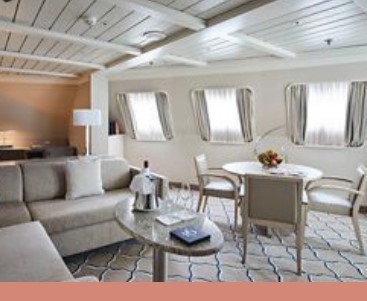
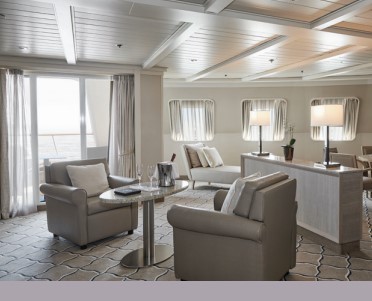
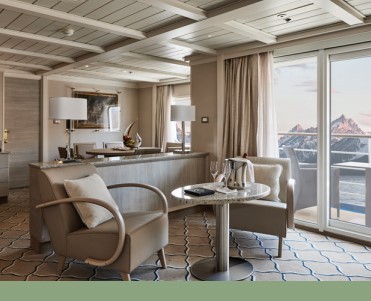
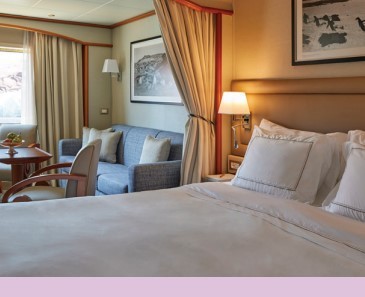
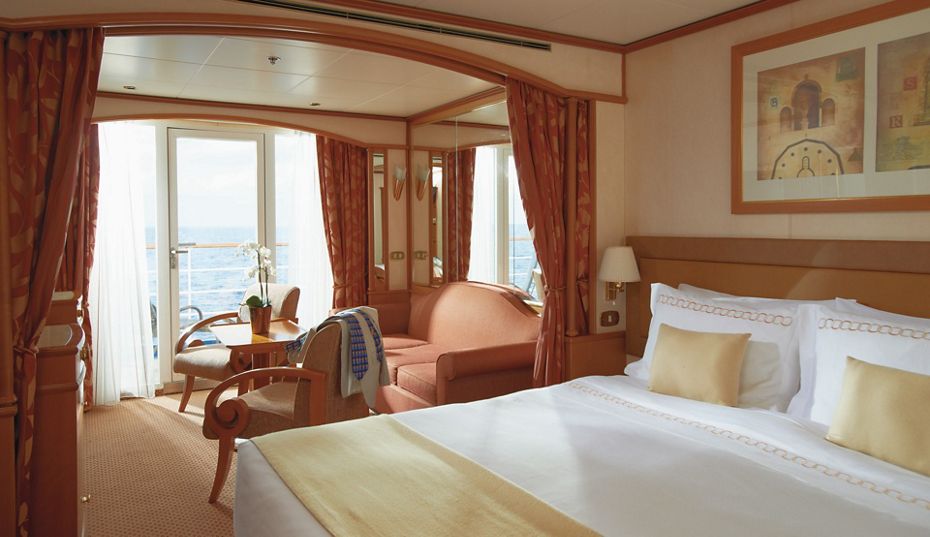
Silversea's oceanview suites are some of the most spacious in cruising, and all include the services of a butler.
Deck plans are for illustrative purposes only – The actual ship and cabin layout may differ.