
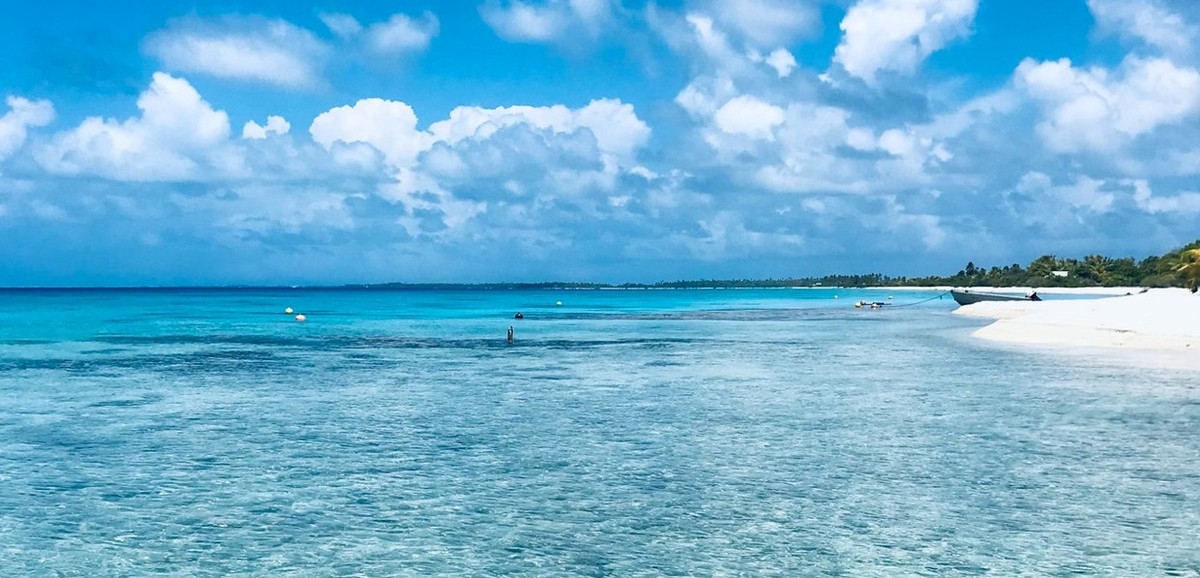
Cruise in the Tuamotu: lagoons and coconut trees
Uspended between the sky and the sea, the Tuamotu atolls are today synonymous with escape and paradise. And for visitors looking for an complete change of scenery and fabulous lagoons, these islands are the perfect location! Long considered dangerous for its low altitude islands, currents, reefs awash, and narrow passes. sailing in to the Tuamotu waters is indeed a delicate procedure with many obstacles to overcome before entering the magical turquoise lagoons! Today, however, with airline transportation, one can very easily reach many of these previously inaccessible rings of coral.
In Polynesian mythology, one legend tells the story of the god Tukerai who shook the sea, and is said to have scattered the string of 78 motu (islets) of the archipelago over 800,000 km² of ocean, with only 880 km² of land. The historic past of the Tuamotu is still unclear. The atolls could have been colonized from Tahiti and the Marquesas around 1000 AD, but the precise origin of the inhabitants and the settlement periods are not entirely clear.
In 1521 Magellan sailed through the maze of awash islands and reached Pukapuka, the first Pacific atoll discovered by Europeans! They were mapped by the Portuguese Quiros in 1605, and the Tuamotu islands were later named the “Dangerous Archipelago” by Bougainville because of the many shipwrecks caused by reefs. Between 1770 and 1810, almost thirty vessels crashed on these treacherous coral reefs! It took nearly three centuries for navigators to list all of the 78 atolls that make up the archipelago, none of them having spent much time among these islands that held no economic interest. For a long time, the archipelago was called Pa’umotu (“Low Islands”) and since the middle of the last century, the Tahitian name “Tuamotu” has prevailed.
With large coconut plantations, established from the 19th Century onwards, the economy of this archipelago is largely based on copra cultivation (copra is shipped to Tahiti for the manufacture of coconut oil). The cultivation of the black pearl has profoundly changed the Paumotu way of life. The Tuamotu Islands are now a must-see destination for all lovers of water sports with many activities on offer, including scuba diving in Rangiroa and Fakarava.
- Makatea: Explore the historical remains of the phosphate mining era, visit sacred caves, and enjoy a scenic picnic under the cliffs or on the beach.
- Mataiva: Experience the unique lagoon and pristine white sand beaches, visit local landmarks, and partake in a beach picnic with optional excursions to Turtle Rock and the Paure marae.
- Anaa: Discover the sparkling green jade lagoon, engage in fly fishing, and enjoy a picnic lunch on the beach with optional activities like swimming at the pito "Ogoogo".
Availability is always subject to confirmation. Please check with us before booking flights
Prices quoted here are often dependent on currency fluctuations. Please check with (01432 507450 or info@small-cruise-ships.com) for the very latest price, which may well be cheaper than the one advertised here.
Prices quoted here are often dependent on currency fluctuations. Please check with (01432 507450 or info@small-cruise-ships.com) for the very latest price, which may well be cheaper than the one advertised here.


Aranoa
| Built | 2026 |
|---|---|
| Length | 116 |
| Capacity | 198 passengers |
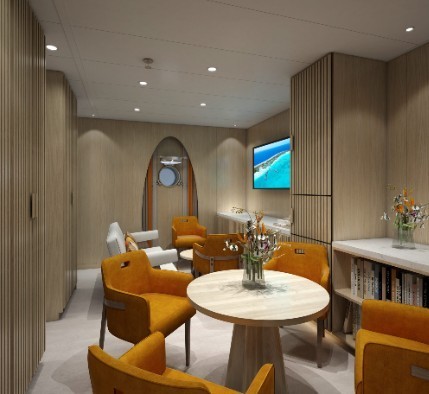
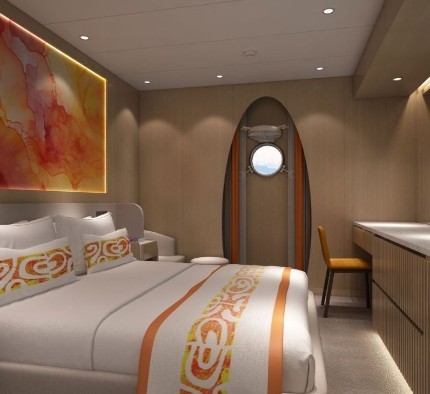
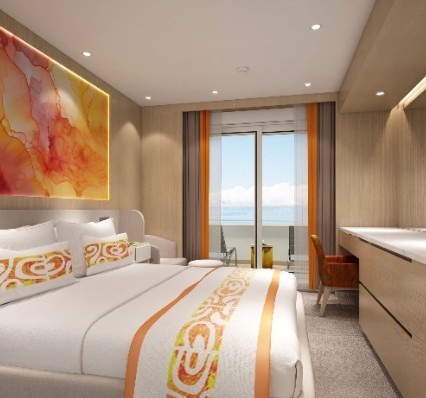
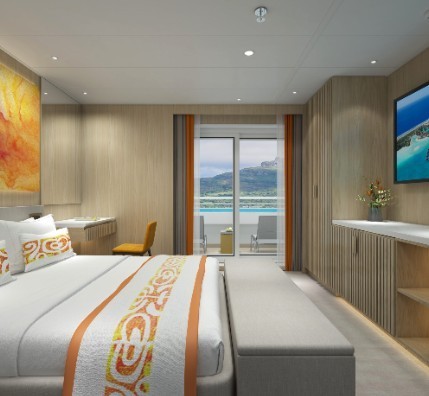
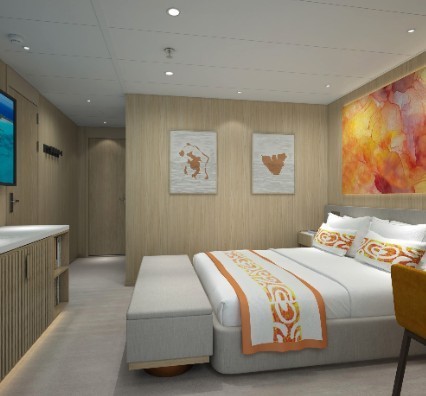
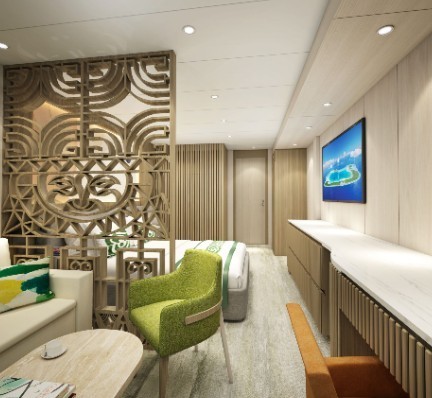
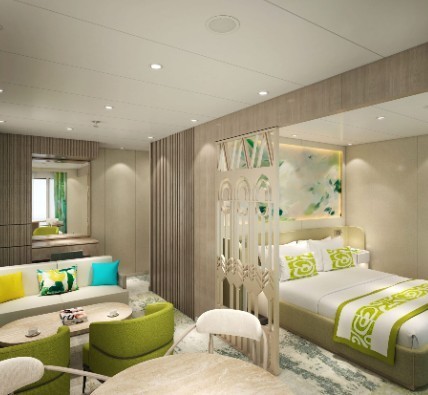
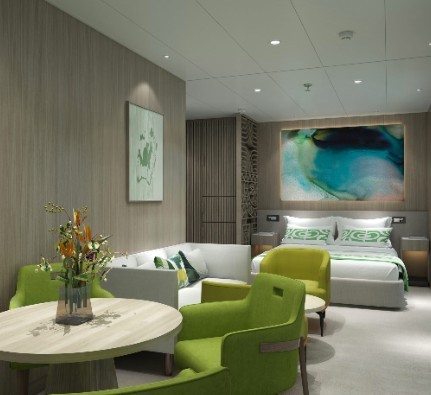
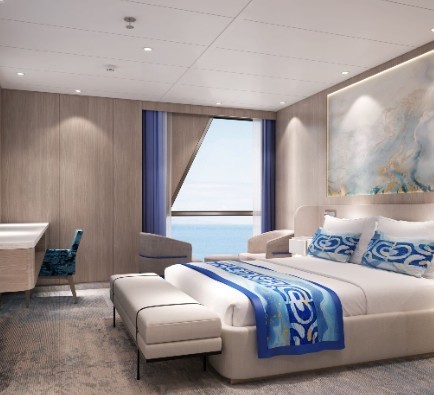
Launching in 2027, Aranoa marks an exciting new chapter for Aranui Cruises, extending its legacy of authentic and sustainable Polynesian voyages. This innovative mixed passenger–freighter vessel will journey through the remote Austral Islands—Rimatara, Rurutu, Tubuai, Raivavae, and Rapa—offering guests an intimate connection to some of French Polynesia’s most unspoiled destinations. With capacity for just 198 passengers across 93 cabins, including 62 with private balconies, Aranoa promises a boutique cruising experience complemented by Polynesian warmth and hospitality. Onboard amenities include two restaurants, two bars, whirlpools, a spa and tattoo area, a boutique, and a fitness centre, ensuring both comfort and cultural immersion as guests explore the lush mountains, turquoise lagoons, and white-sand beaches of the Australs.
True to Aranui’s pioneering spirit, Aranoa combines tradition with forward-thinking sustainability. The ship features a diesel-electric propulsion system with azimuth thrusters, an eco-friendly antifouling hull coating, and technology designed to reduce noise and emissions while enhancing fuel efficiency. Continuing the company’s 40-year commitment to inclusive tourism, Aranoa will work closely with local communities to promote inter-island trade and cultural exchange, creating meaningful connections between travellers and the islands. Blending discovery, comfort, and responsibility, Aranoa invites guests to experience a slower, more authentic Polynesia—where every voyage tells a story.


Deck plans are for illustrative purposes only – The actual ship and cabin layout may differ.


Aranui 5
Aranui 5 is a custom-built, dual-purpose passenger/freighter that sails from Tahiti to the Marquesas, Tuamotu and Society Islands in French Polynesia on a 14 day all-inclusive cruise. Designed to offer all of the comforts of a cruise liner, while operating as a supply ship, Aranui 5 is classified as a small vessel, accommodating approximately 254 passengers and 103 cabins.
With 8 different guest decks, the interior decor reflects the Polynesian heritage of her owners and crew. The ship features a restaurant where all the meals onboard are served in a casual setting; 2 lounges; 2 conference rooms, where guest lecturers will offer presentations on various topics related to the Marquesas; 4 bars, including the Sky Bar with sweeping panoramic views; an outdoor pool; a boutique; a massage room and a gym.
Passenger accommodations range from Premium exterior staterooms, more than 90 percent with a private balcony; to Standard exterior staterooms with a picture window or porthole; to Class C, shared dormitory style cabins with occupancy for 4 or 8. Aranui 5’s registry is France and thus sails under French pavilion. As such, she operates under the strictest building and safety guidelines, including the requirements of international SOLAS (Safety of Life at Sea) regulations and the French Coast Guard (CCS).


Deck plans are for illustrative purposes only – The actual ship and cabin layout may differ.
