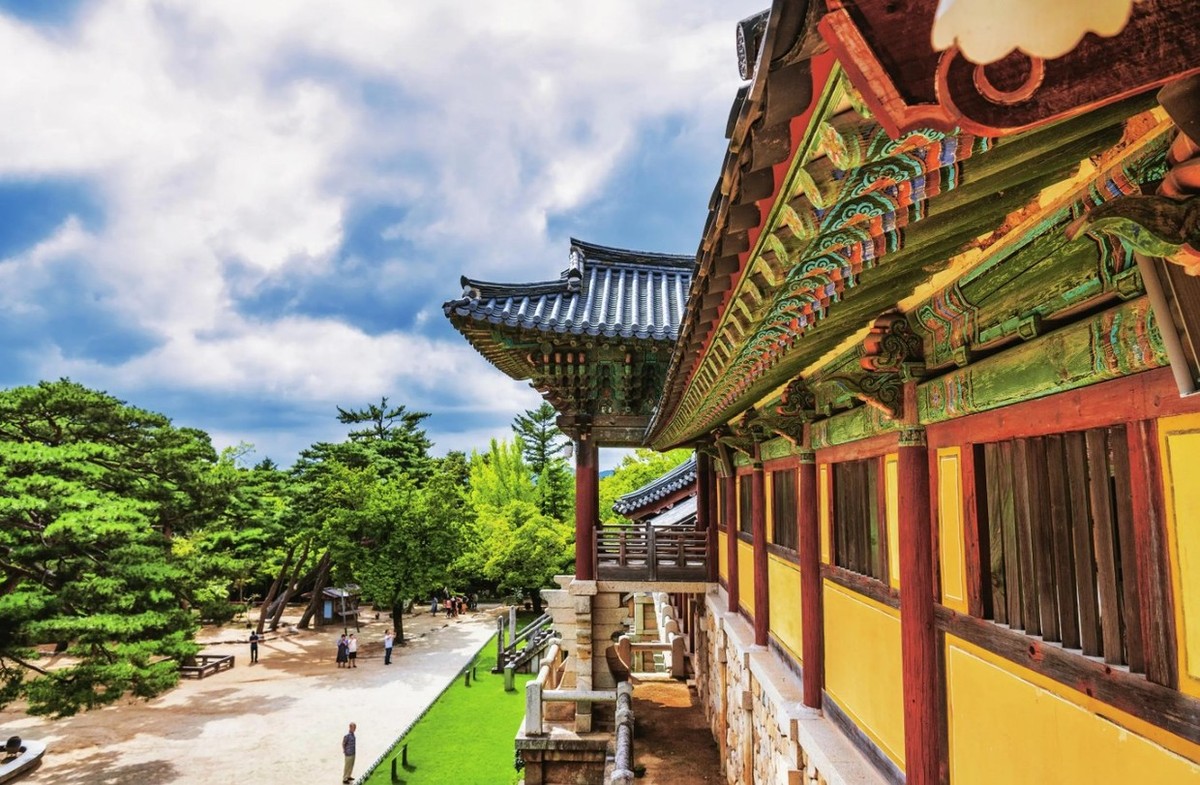
Japan’s Western Shores: Ancient Traditions and Natural Beauty Small Ship Cruise

date_range
16 days from

£16794 GBP pp

* Current p/p indicative rate.

Overview
Highlights
Dates & Prices
Itinerary
Map
Ships

Highlights

  • Step inside historic temples and cliffside shrines with cultural specialists who illuminate their enduring significance
  • Explore traditional districts where artisans continue centuries-old craftsmanship
  • Witness the dramatic coastal landscapes of Kyushu and Shikoku, where fishing villages and pilgrimage routes reveal centuries of maritime tradition
  • Experience the canyons and hiking trails of Toyama’s Northern Alps
  • Immerse yourself in South Korea’s ancient Silla kingdom, exploring Gyeongju’s UNESCO-designated temples, royal tombs and artifacts

Highlights

  • Step inside historic temples and cliffside shrines with cultural specialists who illuminate their enduring significance
  • Explore traditional districts where artisans continue centuries-old craftsmanship
  • Witness the dramatic coastal landscapes of Kyushu and Shikoku, where fishing villages and pilgrimage routes reveal centuries of maritime tradition
  • Experience the canyons and hiking trails of Toyama’s Northern Alps
  • Immerse yourself in South Korea’s ancient Silla kingdom, exploring Gyeongju’s UNESCO-designated temples, royal tombs and artifacts
Capacity: 126
Feture image for Japan’s Western Shores: Ancient Traditions and Natural Beauty Small Ship Cruise

Exploring the storied waters between Japan and Korea reveals coastlines shaped by ancient kingdoms, maritime trade and deeply layered cultural traditions. This voyage brings you into places where spiritual rituals, everyday craftsmanship and coastal life remain closely tied to the land—whether in mountain-ringed northern villages or along quiet rural shores. With unhurried time in small ports, you’ll meet local experts, witness heritage in its authentic context and gain a deeper understanding of how these communities have evolved at the edge of sea and sky.

  • Step inside historic temples and cliffside shrines with cultural specialists who illuminate their enduring significance
  • Explore traditional districts where artisans continue centuries-old craftsmanship
  • Witness the dramatic coastal landscapes of Kyushu and Shikoku, where fishing villages and pilgrimage routes reveal centuries of maritime tradition
  • Experience the canyons and hiking trails of Toyama’s Northern Alps
  • Immerse yourself in South Korea’s ancient Silla kingdom, exploring Gyeongju’s UNESCO-designated temples, royal tombs and artifacts

Availability is always subject to confirmation. Please check with us before booking flights

28 June, 2027 to 13 July, 2027 on National Geographic Resolution
Prices

Prices quoted here are often dependent on currency fluctuations. Please check with (01432 507450 or info@small-cruise-ships.com) for the very latest price, which may well be cheaper than the one advertised here.
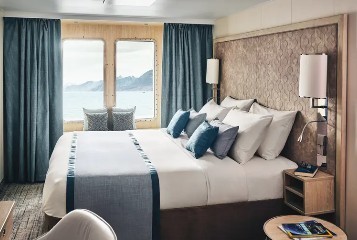
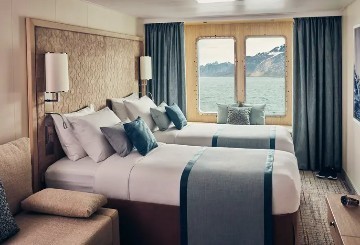
Category 01
£16794 GBP pp
Category 01
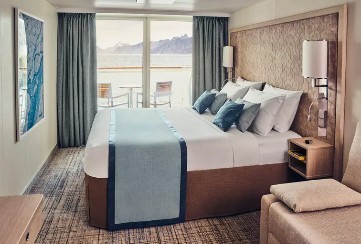
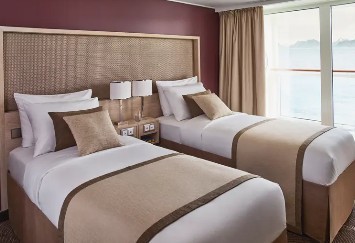
#404, 406, 408, 411, 413, 415 — Cabin with two large windows, two singles that can convert to a queen, writing desk and chair, two bedside tables, window sofa, coffee table, and a closet.
Category 02
£17634 GBP pp
Category 02
#410, 412, 414, 416-419, 421-427 — Cabin with two large windows, two single beds that can convert to a queen, window sofa, two seat sofa, coffee table, writing desk with an office chair, two bedside tables, coffee table, and a closet.
Category 03
£22040 GBP pp
Category 03
#512, 514-524 — Cabin with balcony that features two balcony chairs, hammock, and a table; two single beds that convert to a queen; convertible sleeper sofa; writing desk with a chair; two bedside tables; coffee table; and a closet.
Category 04
£22920 GBP pp
Category 04
#608, 610, 612, 613-623 — Cabin with balcony that features two balcony chairs, hammock and a table; two single beds that can convert to a queen; pull-out sofa; coffee table; writing desk with chair; two bedside tables; and a closet.
Category 05
£23838 GBP pp
Category 05
#700-707, 712, 713, 715, 717 — Cabin with balcony that features two balcony chairs, hammock, and a table; two single beds that convert to a queen; pull-out sofa; coffee table; writing desk with chair; two bedside tables; and a closet.
Category 06
£27417 GBP pp
Category 06
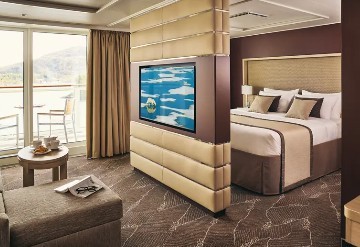
#714 — Junior suite with balcony that features two balcony chairs, hammock, and table; two single beds that convert to a queen; pull-out sofa; writing desk with chair; two bedside tables; coffee table; espresso maker; and a closet. Guests receive priority access to one spa treatment and one igloo reservation and complimentary laundry per departure.
Category 07
£31527 GBP pp
Category 07
#708-711, 716, 718, 719, 721 — These large balcony suites feature two balcony chairs, hammock, and table; two single beds that can convert to a queen; pull-out sofa; coffee table; writing desk and chair; espresso maker; and a large walk-in closet with full length mirror. Expanded bathroom has a double vanity, bathtub, towel warmer and rain shower. Guests receive priority access to one spa treatment and one igloo reservation and complimentary laundry per departure.
show reverse itinerary
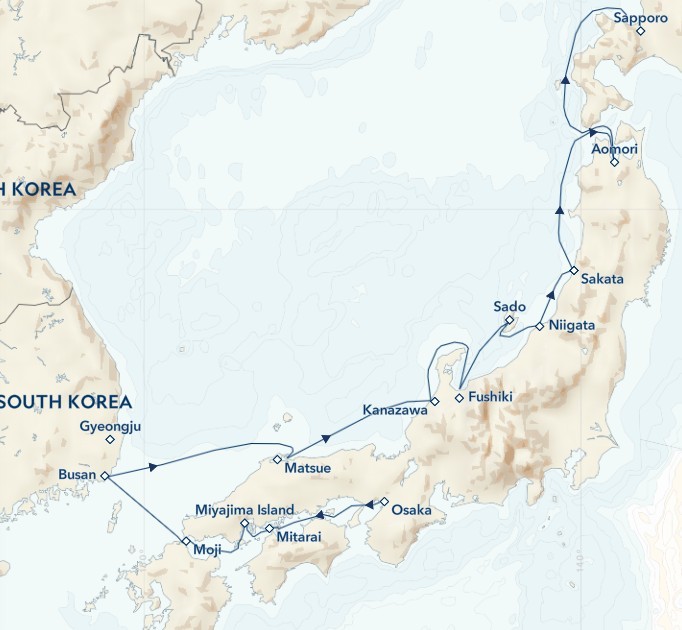
Day 1 Osaka, Japan

Arrive in Osaka and transfer to your hotel.

Day 2 Osaka / Embark Ship

Travel to Himeji Castle, one of Japan’s most iconic fortresses. Also known as “White Heron Castle,” this UNESCO World Heritage site—flanked by the lush Kokoen Garden—is at once imposing and elegant. After lunch, transfer to the ship for embarkation.

Day 3 Mitarai

Located in the Seto Inland Sea, Mitarai is a seaside village that has remained largely untouched by the rapid changes and development of the 20th century. The village’s wooden buildings and narrow lanes reflect centuries of history, while its mature gardens lend additional beauty and serenity to the sheltered bay. Explore this hidden gem, designated as a Historic Preservation District of Traditional Architecture.

Day 4 Miyajima

Arrive on the island of Miyajima, home of Itsukushima Shrine, a UNESCO World Heritage site famed for its red torii gate that seems to float atop the water at high tide. Walk the seaside promenade and capture photos of the famous shrine from many different angles, or find time along the shore for reflection.

Day 5 Moji

With its position along the historic route between Honshu and Shanghai, Moji has a long history as a prominent trading post. As modern shipping shifted to a newer harbor, the district settled into a gentler rhythm, allowing its heritage to take center stage. Step back in time as you stroll the promenade, exploring the well-preserved buildings of the Meiji and Taisho periods. Moji is also known for its limestone caves, and you’ll have the chance to explore one of these remarkable formations to witness the region’s stunning geology.

Day 6 Busan, South Korea / Gyeongju

Dock in Busan and travel to Gyeongju, the ancient capital of the Silla kingdom and the crown jewel of Korea’s cultural heritage. Filled with ruins of temples, pagodas and palaces dating back more than a thousand years, the city’s historic areas have been collectively designated a UNESCO World Heritage site. Visit Bulguksa Temple, a masterpiece of Silla architecture originally built in A.D. 528, and explore the Gyeongju National Museum to view jewelry, weapons and other Silla artifacts. See Cheomseongdae, a seventh-century observatory, and wander among the area’s towering royal burial mounds.

Day 7 Matsue, Japan

Sail up the coast to Matsue, set gracefully between a lake, a lagoon and the sea. Tour the 17th-century Matsue Castle, a defensive fortress renowned for its ingenious architectural features designed to deter attackers. Continue to the Adachi Museum of Art, where an impressive collection of 20th-century Japanese works is complemented by a meticulously crafted traditional garden.

Day 8 Kanazawa

Step into old Japan in Kanazawa, once a powerful stronghold of the Maeda clan. Stroll past the elegant wooden samurai homes of the Nagamachi district, where intentionally narrow, winding streets were designed to confuse would-be attackers. Continue to the geisha and teahouse district of Higashi Chaya Machi before wandering the pathways of Kenroku-en, one of Japan’s designated “three best landscape gardens.” Established in 1676 by the Maeda family and refined over more than 150 years, it remains a masterpiece of Japanese garden design.

Day 9 Fushiki, Toyama

Toyama Bay is framed by the Amaharashi coast to the west and the Tateyama mountains to the east. Tracing the coastline is a photographer's dream, with sweeping views of the peaks rising beyond the bay and oceanfront walkways that invite you to slow down and soak in village life.

Day 10 Sado Island

Known for its unique blend of rich history and vibrant local culture, Sado Island offers a range of ways to engage with its heritage. Explore the island’s ancient taiko drumming tradition and trace its 400-year history of gold mining.

Day 11 Niigata

Sitting on the western shore of Honshu, Niigata is a historic rice port surrounded by mountains whose meltwater nourishes the coastal fields. This landscape has long shaped Niigata’s reputation for exceptional rice and sake production. Delve into this rich tradition, or venture to the countryside to witness the rice fields firsthand.

Day 12 Sakata

Once home to Japan's wealthiest merchant family, the city of Sakata offers a glimpse into 400 years of trade and maritime prosperity. Walk these storied streets to see preserved merchant homes, visit historic facades of rice warehouses and trace the lasting influence of the Kitamaebune—merchant ships that once connected communities across the Sea of Japan.

Day 13 Aomori

On the northern coast of Honshu lies Aomori City, set against the distant backdrop of the Hakkōda Mountains. This bountiful region is renowned for its apple orchards, exceptional seafood and local treasures, such as Tsugaru lacquerware and painted kites. Explore the tranquil Seiryū-ji Temple, with its impressive bronze statue of Dainichi Nyorai. Then learn about Nebuta Matsuri—Aomori’s vibrant summer festival—and see the extraordinary craftsmanship of its colorful papier-mâché floats up close.

Day 14 Southern Hokkaido Island

At the southern tip of Hokkaido, the Oshima subprefecture greets us after a morning at sea. Rapid modernization in the late 1800s left the region with a distinctive blend of contemporary development, traditional fishing villages and the castles and fortifications of earlier eras. Explore the preserved buildings and stone walls of historic landmarks, or take time to soak in the natural landscapes overlooking the Tsugaru Strait.

Day 15 Otaru / Sapporo

The capital of the Hokkaido prefecture, Sapporo is known for its more relaxed, open atmosphere. This afternoon, enjoy its museums and airy parks, and sample the region’s culinary delicacies.

Day 16 Otaru / Disembark Ship

Following breakfast, disembark and transfer to the airport for flights home.

Please note:

Itineraries are subject to change. 

Day 1 Osaka, Japan

Arrive in Osaka and transfer to your hotel.

Day 2 Osaka / Embark Ship

Travel to Himeji Castle, one of Japan’s most iconic fortresses. Also known as “White Heron Castle,” this UNESCO World Heritage site—flanked by the lush Kokoen Garden—is at once imposing and elegant. After lunch, transfer to the ship for embarkation.

Day 3 Mitarai

Located in the Seto Inland Sea, Mitarai is a seaside village that has remained largely untouched by the rapid changes and development of the 20th century. The village’s wooden buildings and narrow lanes reflect centuries of history, while its mature gardens lend additional beauty and serenity to the sheltered bay. Explore this hidden gem, designated as a Historic Preservation District of Traditional Architecture.

Day 4 Miyajima

Arrive on the island of Miyajima, home of Itsukushima Shrine, a UNESCO World Heritage site famed for its red torii gate that seems to float atop the water at high tide. Walk the seaside promenade and capture photos of the famous shrine from many different angles, or find time along the shore for reflection.

Day 5 Moji

With its position along the historic route between Honshu and Shanghai, Moji has a long history as a prominent trading post. As modern shipping shifted to a newer harbor, the district settled into a gentler rhythm, allowing its heritage to take center stage. Step back in time as you stroll the promenade, exploring the well-preserved buildings of the Meiji and Taisho periods. Moji is also known for its limestone caves, and you’ll have the chance to explore one of these remarkable formations to witness the region’s stunning geology.

Day 6 Busan, South Korea / Gyeongju

Dock in Busan and travel to Gyeongju, the ancient capital of the Silla kingdom and the crown jewel of Korea’s cultural heritage. Filled with ruins of temples, pagodas and palaces dating back more than a thousand years, the city’s historic areas have been collectively designated a UNESCO World Heritage site. Visit Bulguksa Temple, a masterpiece of Silla architecture originally built in A.D. 528, and explore the Gyeongju National Museum to view jewelry, weapons and other Silla artifacts. See Cheomseongdae, a seventh-century observatory, and wander among the area’s towering royal burial mounds.

Day 7 Matsue, Japan

Sail up the coast to Matsue, set gracefully between a lake, a lagoon and the sea. Tour the 17th-century Matsue Castle, a defensive fortress renowned for its ingenious architectural features designed to deter attackers. Continue to the Adachi Museum of Art, where an impressive collection of 20th-century Japanese works is complemented by a meticulously crafted traditional garden.

Day 8 Kanazawa

Step into old Japan in Kanazawa, once a powerful stronghold of the Maeda clan. Stroll past the elegant wooden samurai homes of the Nagamachi district, where intentionally narrow, winding streets were designed to confuse would-be attackers. Continue to the geisha and teahouse district of Higashi Chaya Machi before wandering the pathways of Kenroku-en, one of Japan’s designated “three best landscape gardens.” Established in 1676 by the Maeda family and refined over more than 150 years, it remains a masterpiece of Japanese garden design.

Day 9 Fushiki, Toyama

Toyama Bay is framed by the Amaharashi coast to the west and the Tateyama mountains to the east. Tracing the coastline is a photographer's dream, with sweeping views of the peaks rising beyond the bay and oceanfront walkways that invite you to slow down and soak in village life.

Day 10 Sado Island

Known for its unique blend of rich history and vibrant local culture, Sado Island offers a range of ways to engage with its heritage. Explore the island’s ancient taiko drumming tradition and trace its 400-year history of gold mining.

Day 11 Niigata

Sitting on the western shore of Honshu, Niigata is a historic rice port surrounded by mountains whose meltwater nourishes the coastal fields. This landscape has long shaped Niigata’s reputation for exceptional rice and sake production. Delve into this rich tradition, or venture to the countryside to witness the rice fields firsthand.

Day 12 Sakata

Once home to Japan's wealthiest merchant family, the city of Sakata offers a glimpse into 400 years of trade and maritime prosperity. Walk these storied streets to see preserved merchant homes, visit historic facades of rice warehouses and trace the lasting influence of the Kitamaebune—merchant ships that once connected communities across the Sea of Japan.

Day 13 Aomori

On the northern coast of Honshu lies Aomori City, set against the distant backdrop of the Hakkōda Mountains. This bountiful region is renowned for its apple orchards, exceptional seafood and local treasures, such as Tsugaru lacquerware and painted kites. Explore the tranquil Seiryū-ji Temple, with its impressive bronze statue of Dainichi Nyorai. Then learn about Nebuta Matsuri—Aomori’s vibrant summer festival—and see the extraordinary craftsmanship of its colorful papier-mâché floats up close.

Day 14 Southern Hokkaido Island

At the southern tip of Hokkaido, the Oshima subprefecture greets us after a morning at sea. Rapid modernization in the late 1800s left the region with a distinctive blend of contemporary development, traditional fishing villages and the castles and fortifications of earlier eras. Explore the preserved buildings and stone walls of historic landmarks, or take time to soak in the natural landscapes overlooking the Tsugaru Strait.

Day 15 Otaru / Sapporo

The capital of the Hokkaido prefecture, Sapporo is known for its more relaxed, open atmosphere. This afternoon, enjoy its museums and airy parks, and sample the region’s culinary delicacies.

Day 16 Otaru / Disembark Ship

Following breakfast, disembark and transfer to the airport for flights home.

Please note:

Itineraries are subject to change. 

Itinerary also available in reverse
National Geographic Resolution
A next-generation expedition ship, purpose-built for polar navigation. National Geographic Resolution is a next-generation expedition ship, purpose-built for polar navigation. A twin to National…

National Geographic Resolution

Passenger Capacity 126
Built 2020

A next-generation expedition ship, purpose-built for polar navigation. National Geographic Resolution is a next-generation expedition ship, purpose-built for polar navigation. A twin to National Geographic Endurance, she is a fully stabilized, highly strengthened, ice-class Polar Class 5 (PC5) vessel, it is designed to navigate polar passages year-round, and safely explore uncharted waters, while providing exceptional comfort. Its patented X-BOW® is key to its design; its powerful wave-slicing action provides an extremely smooth ride in even adverse conditions, and even reduces spray on deck, for superior observation. She carries a full suite of expedition tools and offers a variety of experience-enhancing amenities.

The luxury of comfort on expedition. National Geographic Resolution comfortably accommodates 126 guests in 69 outside-facing cabins. Cabins are efficiently designed, with sizes range from the 140-square-foot solo cabin to the 430-square-foot category 7 suite. Fifty-three of the 69 cabins, including all 12 of the solo cabins, will feature small balconies with floor-to-ceiling sliding doors that bring in the spectacular views and ample natural light. 

Comfort & convenience in every room. Every cabin has two portholes, a large window or balcony, and temperature controls. Bathrooms are modern and stocked with botanically inspired hair products, soap, and shower gel, plus a hairdryer. Cabins are equipped with expedition command centers with tablets and USB/mobile device docking, TVs, Wi-Fi connections, and hair dryers.

Dining. Food served aboard is fresh, local, and delicious, and sourced from suppliers who share our values of sustainable use whenever possible. Meals aboard are almost always served in the dining room, located aft of the lounge deck. When weather conditions allow, lighter fare may be served on the observation deck. There is no assigned seating and our dining room accommodates the entire expedition community in a single seating. During meals your expedition leader, naturalists, and any guest speakers aboard will join you.

Public Areas: Two restaurants, a Chef’s Table for small group dining, Observation Lounge with bar, gym, Wellness area, infinity-style outdoor hot tubs, library, main lounge with full service bar, 24-hour beverage, state-of-the-art facilities for films, slideshows and presentations, and a photo workshop area; plus, an expedition base with lockers for expedition gear, and an “open bridge” for access to our captain, officers and the art of navigation.

Meals: Two restaurants, featuring local, sustainable choices and unassigned seating for flexible, inclusive dining; plus a Chef’s table for intimate, small group dining. Main restaurant has 270º views, and the Observation deck restaurant features lighter, made-to-order fare. 

Special Features: A full-time doctor, undersea specialist, National Geographic photographer, Lindblad-National Geographic certified photo instructor and video chronicler, an internet cafe and laundry.

Wellness: The vessel is staffed by our wellness specialists and features a glass-enclosed yoga studio, gym, treatment rooms and spa relax area, and high- and low-heat saunas with ocean views.

Expedition Landing Craft. Key to our operation is our fleet of expedition landing craft, which we use to land in places that would otherwise be inaccessible. With 14 of these boats and two loading stations used every time we disembark, we’re able to transfer guests off the ship quickly, so you can be out on adventures, not idly waiting. The expedition landing craft we use are 19 feet long, powered by four-stroke outboard engines, and are capable of comfortably carrying 10-12 people. They are widely recognized as the safest and most versatile small boats afloat.

Remotely Operated Vehicle. Capable of reaching 1,000 feet, far beyond the range of any Scuba diver, the ROV allows you to literally view parts of the undersea that are as unexplored as the moon. Chances are you, like many of our guests, will be struck by how surprisingly colorful undersea life is in these unlikely places. And this glimpse may fundamentally change how you view the ocean.

Kayaks. National Geographic Resolution will be equipped with a fleet of kayaks large enough to ensure everyone who wants to can paddle at every opportunity. Consequently, prior kayaking experience isn’t necessary—many of our guests have their first kayaking experience in extraordinary locations. Our custom-designed floating platform lets us deploy kayaks from the ship, or any location we want—including far from shore. Kayakers are usually free to explore where they want within boundaries set by the undersea specialist and officer of the watch.

Underwater camera. Our undersea specialist will dive often during your expedition, even in polar regions, with cold-water gear, to shoot high-definition, Cousteau-like footage of the deep. Colorful nudibranchs, swimming, plant-like crinoids, and mysterious fish with antifreeze blood that thrive in the frigid sea will give you an entirely new appreciation of the marine environment.

Video microscope. Naturalists will use the video microscope to help explain all elements of the environment, including tiny organisms that are the building block of the marine ecosystem. Spellbinding live views of krill at 80x magnification fills the high-definition screens in the lounge with vivid detail, and fills every onlooker with a sense of wonder at the importance of otherwise unobservable creatures.

Hydrophone. This underwater microphone is deployed to listen to the vocalizations of marine mammals. Real time transmissions of their eerie, haunting sounds can be broadcast through the ship or recorded for later playback. Few experiences in nature are as captivating as watching humpback whales feed close to the ship as their vocalizations play through the ship’s PA system.

Electronic charts. An electronic chart showing the ship’s location, course, and speed is almost always on display in the lounge.

Open bridge. You’ll find our captains are engaged, knowledgeable members of your expedition who are eager to share their passion with you. National Geographic Resolution's open bridge features comfortable spaces to sit, enjoy the view, drink your morning coffee, or simply chat with the officers.

Snorkeling gear & wetsuits. On warm weather itineraries where there will be snorkeling, you’ll select a mask, snorkel, fins, and wetsuit that remain yours for the duration of the expedition. There’s no need to pack and tote your own gear, although guests who prefer to are welcome to bring their own.


Overview
Highlights
Dates & Prices
Itinerary
Map
Ship

16 days from £16794 GBP pp

Find your favorite region