
Grand Greenland - Mythical Lands of the North

date_range
15 days from

£7305 GBP pp

* Current p/p indicative rate.

Overview
Highlights
Dates & Prices
Itinerary
Map
Ships

Highlights

  • Join an expedition cruise to northwest Greenland and explore the High Arctic environment of the legendary Thule region.
  • Visit some of the most northerly communities on Earth and learn about their history and culture.
  • Witness amazing scenery and Arctic wildlife, attend fascinating lectures and talks, and take part in our onboard science program.Witness amazing scenery and Arctic wildlife, attend fascinating lectures and talks, and take part in our

Highlights

  • Join an expedition cruise to northwest Greenland and explore the High Arctic environment of the legendary Thule region.
  • Visit some of the most northerly communities on Earth and learn about their history and culture.
  • Witness amazing scenery and Arctic wildlife, attend fascinating lectures and talks, and take part in our onboard science program.Witness amazing scenery and Arctic wildlife, attend fascinating lectures and talks, and take part in our
Capacity: 490, Type: Wheelchair accessible
Feture image for Grand Greenland - Mythical Lands of the North

Icy waters of Disko Bay  

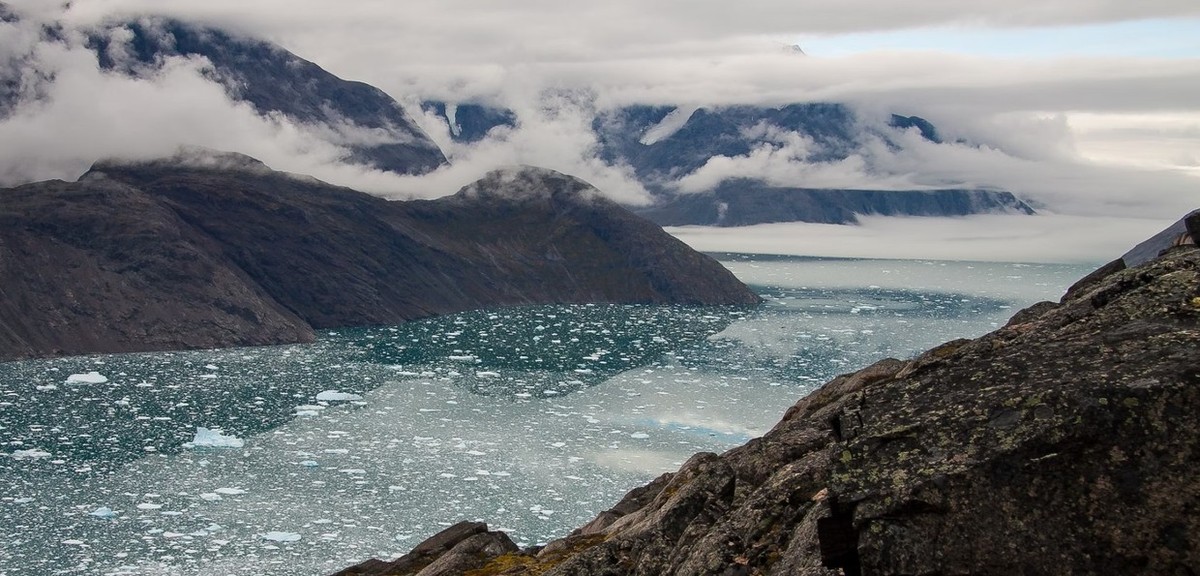
We set out north from Nuuk along the rugged and breathtaking coast of west Greenland. See immense icebergs from tidewater glaciers in Disko Bay, including Sermeq Kujalleq, the gigantic glacier at the head of UNESCO-listed Ilulissat Icefjord. As we sail, we’ll be on the lookout for whales. 

Thule High Arctic region 

Isolated even by Arctic standards, the inhabitants of the far north – known in legend by the name Thule – have for centuries been the northernmost communities on the planet. Expect High Arctic conditions, cold adapted wildlife, ice choked waters, and the coolest summer on Earth.

  • Join an expedition cruise to northwest Greenland and explore the High Arctic environment of the legendary Thule region.
  • Visit some of the most northerly communities on Earth and learn about their history and culture.
  • Witness amazing scenery and Arctic wildlife, attend fascinating lectures and talks, and take part in our onboard science program.Witness amazing scenery and Arctic wildlife, attend fascinating lectures and talks, and take part in our

Availability is always subject to confirmation. Please check with us before booking flights

03 July, 2026 to 19 July, 2026 on Fridtjof Nansen
Prices

Prices quoted here are often dependent on currency fluctuations. Please check with (01432 507450 or info@small-cruise-ships.com) for the very latest price, which may well be cheaper than the one advertised here.
Polar Outside. From
£10405 GBP pp
Polar Outside. From
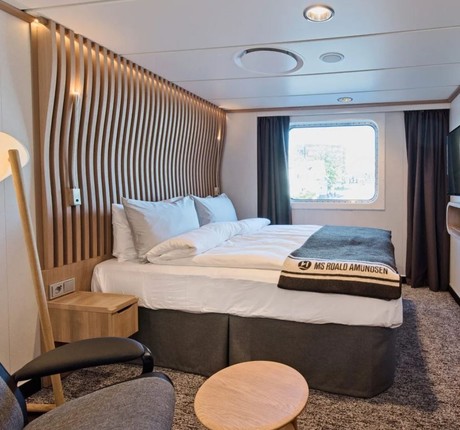
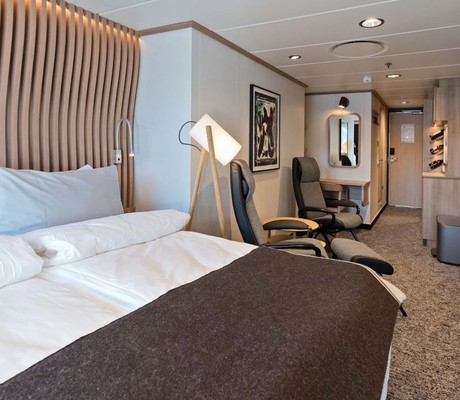
The Polar Outside cabins are primarily on the middle decks with windows, most are spacious, have flexible sleeping arrangements and TV for excellent and high standard accommodation. Can accommodate two to four passengers.
Arctic Superior. From
£11352 GBP pp
Arctic Superior. From
Arctic Superior class cabins are comfortable and roomy accommodation and most have balconies. Flexible sleeping arrangements, sofa beds, TV and other features make this one of our most popular categories. Our Arctic Superior concept includes a kettle, tea and coffee. Can accommodate two to four passengers.
Expedition Suite. From
£14022 GBP pp
Expedition Suite. From
These suites are large, well-appointed cabins with expansive windows and most have balconies. Some have a private outdoor hot tub. The suites feature flexible sleeping arrangements with comfortable sofas, sitting areas and TV. They can accomodate up to four people. Expedition suites are exclusively in upper and mid-deck locations. Our Expedition Suite concept includes a bathrobe, espresso maker, and more. An exciting welcome gift awaits all suite guests in their cabin.
17 July, 2026 to 02 August, 2026 on Fridtjof Nansen
Prices

Prices quoted here are often dependent on currency fluctuations. Please check with (01432 507450 or info@small-cruise-ships.com) for the very latest price, which may well be cheaper than the one advertised here.
Polar Outside. From
£10405 GBP pp
Polar Outside. From
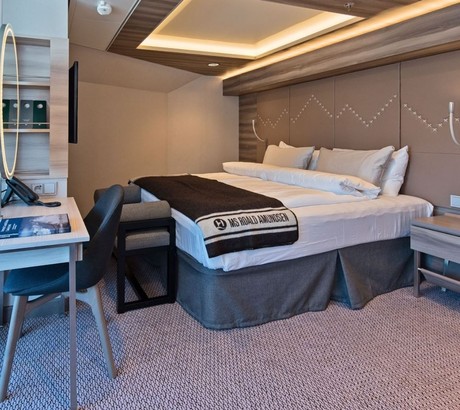
The Polar Outside cabins are primarily on the middle decks with windows, most are spacious, have flexible sleeping arrangements and TV for excellent and high standard accommodation. Can accommodate two to four passengers.
Arctic Superior. From
£11352 GBP pp
Arctic Superior. From
Arctic Superior class cabins are comfortable and roomy accommodation and most have balconies. Flexible sleeping arrangements, sofa beds, TV and other features make this one of our most popular categories. Our Arctic Superior concept includes a kettle, tea and coffee. Can accommodate two to four passengers.
Expedition Suite. From
£14022 GBP pp
Expedition Suite. From
These suites are large, well-appointed cabins with expansive windows and most have balconies. Some have a private outdoor hot tub. The suites feature flexible sleeping arrangements with comfortable sofas, sitting areas and TV. They can accomodate up to four people. Expedition suites are exclusively in upper and mid-deck locations. Our Expedition Suite concept includes a bathrobe, espresso maker, and more. An exciting welcome gift awaits all suite guests in their cabin.
31 July, 2026 to 16 August, 2026 on Fridtjof Nansen
Prices

Prices quoted here are often dependent on currency fluctuations. Please check with (01432 507450 or info@small-cruise-ships.com) for the very latest price, which may well be cheaper than the one advertised here.

Polar Outside. From
£10240 GBP pp
Polar Outside. From
The Polar Outside cabins are primarily on the middle decks with windows, most are spacious, have flexible sleeping arrangements and TV for excellent and high standard accommodation. Can accommodate two to four passengers.
Arctic Superior. From
£11169 GBP pp
Arctic Superior. From
Arctic Superior class cabins are comfortable and roomy accommodation and most have balconies. Flexible sleeping arrangements, sofa beds, TV and other features make this one of our most popular categories. Our Arctic Superior concept includes a kettle, tea and coffee. Can accommodate two to four passengers.
Expedition Suite. From
£13788 GBP pp
Expedition Suite. From
These suites are large, well-appointed cabins with expansive windows and most have balconies. Some have a private outdoor hot tub. The suites feature flexible sleeping arrangements with comfortable sofas, sitting areas and TV. They can accomodate up to four people. Expedition suites are exclusively in upper and mid-deck locations. Our Expedition Suite concept includes a bathrobe, espresso maker, and more. An exciting welcome gift awaits all suite guests in their cabin.
14 July, 2027 to 28 July, 2027 on Fridtjof Nansen
Prices

Prices quoted here are often dependent on currency fluctuations. Please check with (01432 507450 or info@small-cruise-ships.com) for the very latest price, which may well be cheaper than the one advertised here.

Polar Outside. From
£7439 GBP pp
Polar Outside. From
The Polar Outside cabins are primarily on the middle decks with windows, most are spacious, have flexible sleeping arrangements and TV for excellent and high standard accommodation. Can accommodate two to four passengers.
Arctic Superior. From
£8259 GBP pp
Arctic Superior. From
Arctic Superior class cabins are comfortable and roomy accommodation and most have balconies. Flexible sleeping arrangements, sofa beds, TV and other features make this one of our most popular categories. Our Arctic Superior concept includes a kettle, tea and coffee. Can accommodate two to four passengers.
Expedition Suite. From
£10565 GBP pp
Expedition Suite. From
These suites are large, well-appointed cabins with expansive windows and most have balconies. Some have a private outdoor hot tub. The suites feature flexible sleeping arrangements with comfortable sofas, sitting areas and TV. They can accomodate up to four people. Expedition suites are exclusively in upper and mid-deck locations. Our Expedition Suite concept includes a bathrobe, espresso maker, and more. An exciting welcome gift awaits all suite guests in their cabin.
28 July, 2027 to 11 August, 2027 on Fridtjof Nansen
Prices

Prices quoted here are often dependent on currency fluctuations. Please check with (01432 507450 or info@small-cruise-ships.com) for the very latest price, which may well be cheaper than the one advertised here.

Polar Outside. From
£7305 GBP pp
Polar Outside. From
The Polar Outside cabins are primarily on the middle decks with windows, most are spacious, have flexible sleeping arrangements and TV for excellent and high standard accommodation. Can accommodate two to four passengers.
Arctic Superior. From
£8105 GBP pp
Arctic Superior. From
Arctic Superior class cabins are comfortable and roomy accommodation and most have balconies. Flexible sleeping arrangements, sofa beds, TV and other features make this one of our most popular categories. Our Arctic Superior concept includes a kettle, tea and coffee. Can accommodate two to four passengers.
Expedition Suite. From
£10369 GBP pp
Expedition Suite. From
These suites are large, well-appointed cabins with expansive windows and most have balconies. Some have a private outdoor hot tub. The suites feature flexible sleeping arrangements with comfortable sofas, sitting areas and TV. They can accomodate up to four people. Expedition suites are exclusively in upper and mid-deck locations. Our Expedition Suite concept includes a bathrobe, espresso maker, and more. An exciting welcome gift awaits all suite guests in their cabin.
show reverse itinerary
Day 1 Flight from Reykjavik to Nuuk, embarkation day at Nuuk


Welcome to the capital of Greenland 

Flight from Reykjavik to Nuuk. 

Nuuk is Greenland’s colourful and compact capital. With a population of fewer than 20,000, it’s a striking mix of old and modern buildings. If you’re more a fan of the former, head down to the old part of town by the waterfront, where you’ll find Nuuk Cathedral and the statue of Hans Egede standing on a hill. In the water below, you’ll see the beautiful Mother of the Sea statue 

Your expedition ship awaits you in the harbour. After being welcomed aboard and collecting your complimentary expedition jacket, it's time to settle into your cabin and enjoy your first dinner aboard.

Day 2 Sailing towards Disko Bay


Sailing to Disko Bay Getting ready for adventure 

Sailing towards the Arctic Circle you’ll have time to get acquainted with the AECO rules and recommendations regarding operations and landings in the fragile Arctic environment. Make sure you attend these mandatory presentations if you want to join planned landings as we head north. 

You will also have time to settle on board, enjoy the state-of-the-art ship facilities and join the first lectures on Greenland related topics, including the Citizen Science projects run on board the ship. 

At some point during the sailing, we will cross the Arctic Circle, entering the lands of the Midnight Sun at the height of summer.

Day 3 UNESCO-listed Ilulissat Icefjord


See the jaw-dropping beauty of nature’s artworks 

Today we’ll reach Disko Bay – a haven for whales and other wildlife. The waters here are scattered with icebergs in many shapes and sizes, and they all come from one place – the Ilulissat Icefjord. This spectacular UNESCO World Heritage Site regularly tops the list of things to see and do in Greenland, and today you'll find out why. Enjoy the scenery as you walk along the wooden path to the breathtaking ice fjord.  

Marvel at giant icebergs floating placidly in the deep blue waters as they take on different hues of white, grey and blue. All photographers, regardless of skill, will return to the ship with the most enviable images. Back in pretty Ilulissat, visit the Icefjord Centre to learn more about the ice in this fascinating area and take a hike to Sermermiut to take in the incredible views. 

Day 4 Exploring Uummannaq Fjord


Entering through the gateway to the north 

Greenland’s Far North begins beyond the Nuussuaq Peninsula. Here, life moves at the rhythm of the Arctic – unhurried and guided by the elements.

This rugged, beautiful land has drawn people for over 4,000 years. Early settlers navigated its coastline and carved out a life in conditions few could endure. Today, archaeological sites stand as quiet markers of their resilience, including the famous Qilakitsoq mummies discovered in this very region. 

Potential landings may include visits to small, remote communities like Uummannaq, watched over by its striking heart-shaped mountain, or Ukkusissat. Weather and ice permitting, we’ll explore the Qilakitsoq site, cruise into secluded fjords, or step ashore to take in Greenland’s raw Arctic landscapes – always ready to adapt, as nature allows. 

Day 5 At sea


Relax and learn at sea 

We’ll spend the day on the open seas crossing Melville Bay. This is a huge bay bordering the icy coast of Lauge Koch, where the ice caps meet the sea. Known by the locals as Qimusseriarsuaq, meaning ’The Great Dog Sledding Place‘, the bay was renamed by British explorers after Robert Dundas, 2nd Viscount of Melville in the mid-19th century. 

As we sail well beyond 70 degrees north, relax on board and join wildlife-watches out on deck with the Expedition Team. You could also learn more about the Arctic with the ongoing series of lectures covering its nature, geology and mythology. 

Day 6-10 Discovering the Thule region


Explore life at the edge of the world 

’Ultima Thule‘ was the term used in the 4th century BC by the Greek explorer Pytheas to describe a mythical land in the far north. Nobody knows for sure which land Pytheas had in mind when he coined this name, but for some it has come to refer to the far north in Greenland. 

As we explore here, expect wild beauty at the edge of the inhabitable world. Extreme climatic conditions year-round guarantee isolation and tough living conditions for the inhabitants, and even by Arctic standards the Thule region is harsh and remote. And yet, this was the first region in Greenland ever to be populated by the forerunners of the Inuit, somewhere around 4,500 years ago. How they managed to survive and thrive in that environment still puzzles Arctic archaeologists. 

The abundant bird and animal life provides sustenance, and the traditional hunting culture has survived better here than elsewhere in Greenland. The polar travel know-how of the locals has been highly sought after on European and American expeditions, either as guides or saviours. In fact, thanks to its position, the region has been the natural starting point for many travellers heading towards the North Pole.  

Always adapting our programme to the changeable weather and ice conditions, we will spend the next days exploring the region. We aim to visit some of the local communities, land with expedition boats and marvel at the power of nature, sail through icy channels and – with a bit of luck – spot some of the giants of the Arctic, including walruses, orcas and perhaps even polar bears. 

Day 11-12 At sea


Crossing Baffin Bay 

We are now sailing south again, our adventures in the north completed. Days at sea are the perfect time to relax on board, perhaps chatting with new friends in the Expedition Lounge & Bar, catching up on any lectures you may have missed and enjoying leisurely lunches. If you haven’t tried the hot tubs yet, now’s your chance. There’s something magical about bathing in warm water as icebergs drift past! 

Out on deck, the Expedition Team will keep a look out for wildlife. Or they’ll be in the Science Centre, revealing new and interesting information to you about Greenland, the Arctic and other topics related to our voyage. Feel free to join in with any of the Citizen Science projects that are running – they’re engaging and fun, and you’ll be contributing something useful to global research. 

Day 13-14 Landscapes and communities of west Greenland


Visit modern towns on the edge of the wilderness 

The central west coast of Greenland is a land of contrasts, home to some of the longest fjords in the country and a sprinkling of settlements, including the second-largest town on the island. However, the vastness of the land makes this stretch of the coast a sparsely-populated region, where huge distances are the norm, and the sense of remoteness and isolation is just a part of daily life.    

As we sail south, we’ll visit communities where Greenlandic traditions remain strong. Possible calls include Qeqertarsuaq, the main settlement on Disko Island, and Itilleq – a small fishing and hunting village perched just north of the Arctic Circle. 

Further along the coast lies Sisimiut, Greenland’s second-largest town. Though modern in appearance, its roots run deep, with archaeological remains dating back over 4,000 years. Visit the local museum to learn more about the ancient Saqqaq culture, or browse for qiviut scarves, hats, and mittens – crafted from the soft inner wool of musk ox, said to be 10 times warmer than sheep wool. 

Whether hiking ashore, meeting Greenlanders, or scanning the horizon for wildlife, these final days offer a fitting epilogue to your Arctic expedition. 

Day 15 End of expedition in Nuuk, flight to Reykjavik


A small capital in a grandiose setting 

Today, as we arrive at Nuuk, you will say a fond farewell to MS Fridtjof Nansen, her crew, the Expedition Team and the new friends you will have made. The lively capital of Greenland is a metropolis compared to all other towns in the country you have visited over the last couple of weeks. If you have time before flying back home, it is a fascinating window onto modern Greenland.  

From here, you'll catch a flight back to Reykjavík, taking with you a wealth of fantastic memories that will no doubt endure.

Please Note:

Itineraries are subject to change. 

Day 1 Flight from Reykjavik to Nuuk, embarkation day at Nuuk


Welcome to the capital of Greenland 

Flight from Reykjavik to Nuuk. 

Nuuk is Greenland’s colourful and compact capital. With a population of fewer than 20,000, it’s a striking mix of old and modern buildings. If you’re more a fan of the former, head down to the old part of town by the waterfront, where you’ll find Nuuk Cathedral and the statue of Hans Egede standing on a hill. In the water below, you’ll see the beautiful Mother of the Sea statue 

Your expedition ship awaits you in the harbour. After being welcomed aboard and collecting your complimentary expedition jacket, it's time to settle into your cabin and enjoy your first dinner aboard.

Day 2 Sailing towards Disko Bay


Sailing to Disko Bay Getting ready for adventure 

Sailing towards the Arctic Circle you’ll have time to get acquainted with the AECO rules and recommendations regarding operations and landings in the fragile Arctic environment. Make sure you attend these mandatory presentations if you want to join planned landings as we head north. 

You will also have time to settle on board, enjoy the state-of-the-art ship facilities and join the first lectures on Greenland related topics, including the Citizen Science projects run on board the ship. 

At some point during the sailing, we will cross the Arctic Circle, entering the lands of the Midnight Sun at the height of summer.

Day 3 UNESCO-listed Ilulissat Icefjord


See the jaw-dropping beauty of nature’s artworks 

Today we’ll reach Disko Bay – a haven for whales and other wildlife. The waters here are scattered with icebergs in many shapes and sizes, and they all come from one place – the Ilulissat Icefjord. This spectacular UNESCO World Heritage Site regularly tops the list of things to see and do in Greenland, and today you'll find out why. Enjoy the scenery as you walk along the wooden path to the breathtaking ice fjord.  

Marvel at giant icebergs floating placidly in the deep blue waters as they take on different hues of white, grey and blue. All photographers, regardless of skill, will return to the ship with the most enviable images. Back in pretty Ilulissat, visit the Icefjord Centre to learn more about the ice in this fascinating area and take a hike to Sermermiut to take in the incredible views. 

Day 4 Exploring Uummannaq Fjord


Entering through the gateway to the north 

Greenland’s Far North begins beyond the Nuussuaq Peninsula. Here, life moves at the rhythm of the Arctic – unhurried and guided by the elements.

This rugged, beautiful land has drawn people for over 4,000 years. Early settlers navigated its coastline and carved out a life in conditions few could endure. Today, archaeological sites stand as quiet markers of their resilience, including the famous Qilakitsoq mummies discovered in this very region. 

Potential landings may include visits to small, remote communities like Uummannaq, watched over by its striking heart-shaped mountain, or Ukkusissat. Weather and ice permitting, we’ll explore the Qilakitsoq site, cruise into secluded fjords, or step ashore to take in Greenland’s raw Arctic landscapes – always ready to adapt, as nature allows. 

Day 5 At sea


Relax and learn at sea 

We’ll spend the day on the open seas crossing Melville Bay. This is a huge bay bordering the icy coast of Lauge Koch, where the ice caps meet the sea. Known by the locals as Qimusseriarsuaq, meaning ’The Great Dog Sledding Place‘, the bay was renamed by British explorers after Robert Dundas, 2nd Viscount of Melville in the mid-19th century. 

As we sail well beyond 70 degrees north, relax on board and join wildlife-watches out on deck with the Expedition Team. You could also learn more about the Arctic with the ongoing series of lectures covering its nature, geology and mythology. 

Day 6-10 Discovering the Thule region


Explore life at the edge of the world 

’Ultima Thule‘ was the term used in the 4th century BC by the Greek explorer Pytheas to describe a mythical land in the far north. Nobody knows for sure which land Pytheas had in mind when he coined this name, but for some it has come to refer to the far north in Greenland. 

As we explore here, expect wild beauty at the edge of the inhabitable world. Extreme climatic conditions year-round guarantee isolation and tough living conditions for the inhabitants, and even by Arctic standards the Thule region is harsh and remote. And yet, this was the first region in Greenland ever to be populated by the forerunners of the Inuit, somewhere around 4,500 years ago. How they managed to survive and thrive in that environment still puzzles Arctic archaeologists. 

The abundant bird and animal life provides sustenance, and the traditional hunting culture has survived better here than elsewhere in Greenland. The polar travel know-how of the locals has been highly sought after on European and American expeditions, either as guides or saviours. In fact, thanks to its position, the region has been the natural starting point for many travellers heading towards the North Pole.  

Always adapting our programme to the changeable weather and ice conditions, we will spend the next days exploring the region. We aim to visit some of the local communities, land with expedition boats and marvel at the power of nature, sail through icy channels and – with a bit of luck – spot some of the giants of the Arctic, including walruses, orcas and perhaps even polar bears. 

Day 11-12 At sea


Crossing Baffin Bay 

We are now sailing south again, our adventures in the north completed. Days at sea are the perfect time to relax on board, perhaps chatting with new friends in the Expedition Lounge & Bar, catching up on any lectures you may have missed and enjoying leisurely lunches. If you haven’t tried the hot tubs yet, now’s your chance. There’s something magical about bathing in warm water as icebergs drift past! 

Out on deck, the Expedition Team will keep a look out for wildlife. Or they’ll be in the Science Centre, revealing new and interesting information to you about Greenland, the Arctic and other topics related to our voyage. Feel free to join in with any of the Citizen Science projects that are running – they’re engaging and fun, and you’ll be contributing something useful to global research. 

Day 13-14 Landscapes and communities of west Greenland


Visit modern towns on the edge of the wilderness 

The central west coast of Greenland is a land of contrasts, home to some of the longest fjords in the country and a sprinkling of settlements, including the second-largest town on the island. However, the vastness of the land makes this stretch of the coast a sparsely-populated region, where huge distances are the norm, and the sense of remoteness and isolation is just a part of daily life.    

As we sail south, we’ll visit communities where Greenlandic traditions remain strong. Possible calls include Qeqertarsuaq, the main settlement on Disko Island, and Itilleq – a small fishing and hunting village perched just north of the Arctic Circle. 

Further along the coast lies Sisimiut, Greenland’s second-largest town. Though modern in appearance, its roots run deep, with archaeological remains dating back over 4,000 years. Visit the local museum to learn more about the ancient Saqqaq culture, or browse for qiviut scarves, hats, and mittens – crafted from the soft inner wool of musk ox, said to be 10 times warmer than sheep wool. 

Whether hiking ashore, meeting Greenlanders, or scanning the horizon for wildlife, these final days offer a fitting epilogue to your Arctic expedition. 

Day 15 End of expedition in Nuuk, flight to Reykjavik


A small capital in a grandiose setting 

Today, as we arrive at Nuuk, you will say a fond farewell to MS Fridtjof Nansen, her crew, the Expedition Team and the new friends you will have made. The lively capital of Greenland is a metropolis compared to all other towns in the country you have visited over the last couple of weeks. If you have time before flying back home, it is a fascinating window onto modern Greenland.  

From here, you'll catch a flight back to Reykjavík, taking with you a wealth of fantastic memories that will no doubt endure.

Please Note:

Itineraries are subject to change. 

Itinerary also available in reverse
Fridtjof Nansen
Fridtjof Nansen is a small cruise ship specifically designed to be one of the most sustainable ships that can visit the Polar regions. Launched in 2020, The state of the art vessel features new and …

Fridtjof Nansen

Max passengers: 490

Fridtjof Nansen is a small cruise ship specifically designed to be one of the most sustainable ships that can visit the Polar regions.

Launched in 2020, The state of the art vessel features new and environmentally sustainable hybrid technology that will reduce fuel consumption and show the world that hybrid propulsion on large ships is possible.

MS Fridtjof Nansen is the second of two hybrid ships to be launched cutting emissions by sailing with electrical propulsion. Hybrid technology, combined with the advanced construction of the hull and effective use of electricity on board will reduce fuel consumption and CO2-emissions on the ships by 20 percent.

The future of shipping will be silent and emission free. MS Fridtjof Nansen will lead the way towards an even more sustainable way of traveling. Sailing on electrical power is not only a great benefit for the environment, but it will also enhance the impact of experiencing nature for the guests. The ship will be specially constructed for voyages in polar waters and serve as a comfortable basecamp at sea – bringing adventurers from all over the world to the most spectacular destinations in the most sustainable way.

These ships combine state-of-the-art technology together with a premium onboard experience. All cabins are outside, half have private balconies, and aft suites even boast private outdoor Jacuzzis, to soak up the stunning scenery in style. 

Facilities on board

One of the most eye-catching exterior design features of the ships will be the two-level indoor/outdoor Observation Deck wrapped around the top of the ships’ raked bow. In a vast area behind it, you’ll find the core of the onboard experience: Amundsen Science Center.  

Packed with state of the art technology and high tech gadgets such as touch screens and science equipment, the immersive edutainment area will be the place guests and staff/crew meet, mingle and create a deeper understanding for the areas they explore. The flexible venue will feature lecture spaces, a small library, and speciality areas for workshops in photography, biology, and more. 

The stunning scenery will be reflected in a rich and comfortable interior design. Scandinavian materials from nature, such as granite, oak, birch and wool will be used to create relaxed and stylish cabins and public areas. All cabins are outside, 50 % will have private balconies, aft suites will feature private outdoor Jacuzzis with spectacular views. 

Deck plans are for illustrative purposes only – The actual ship and cabin layout may differ.

Cabin layout for Fridtjof Nansen
Overview
Highlights
Dates & Prices
Itinerary
Map
Ship

15 days from £7305 GBP pp

Find your favorite region